When sourcing vitamin K for your formulations, you may be puzzled by the differences between K1 and K2. What are those? What are their different functions? And which vitamin is ideal for my products? This article will give a complete guide to vitamin K selection.
What Are Vitamin K1 and K2?
Discovered in the 1930s, vitamin K is a lipid-soluble vitamin that exists in various forms, among which Vitamin K1 and K2 are the most studied and applied forms. These two forms of vitamin K have different origins and characteristics.
What Is Vitamin K1?
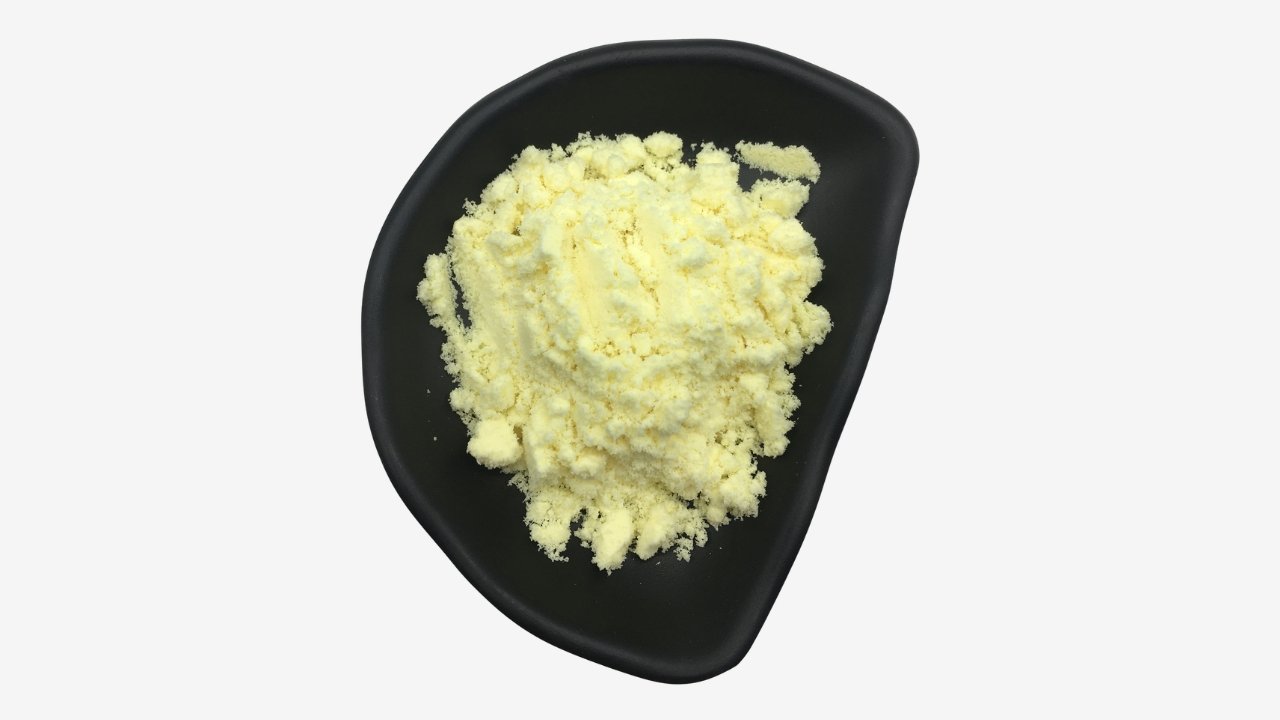
Vitamin K1 is also called phylloquinone. It is mainly from botanical sources. In human diets, vitamin K1 is mainly obtained from green leafy vegetables. Vitamin K1 is also a common botanical ingredient for formulation development, supporting basic vitamin K nutrition. Common applications include multivitamins, dietary supplements, and food fortification.
What Is Vitamin K2?
Vitamin K2, also named menaquinones, is another form of vitamin K. Unlike the botanical-sourced vitamin K1, vitamin K2 is commonly found in animal-sourced or fermented foods, such as cheeses and fermented soybeans. Vitamin K2 has many subtypes, among which MK-4 and MK-7 are the most studied.
K2 Subtypes: MK-4 vs. MK-7
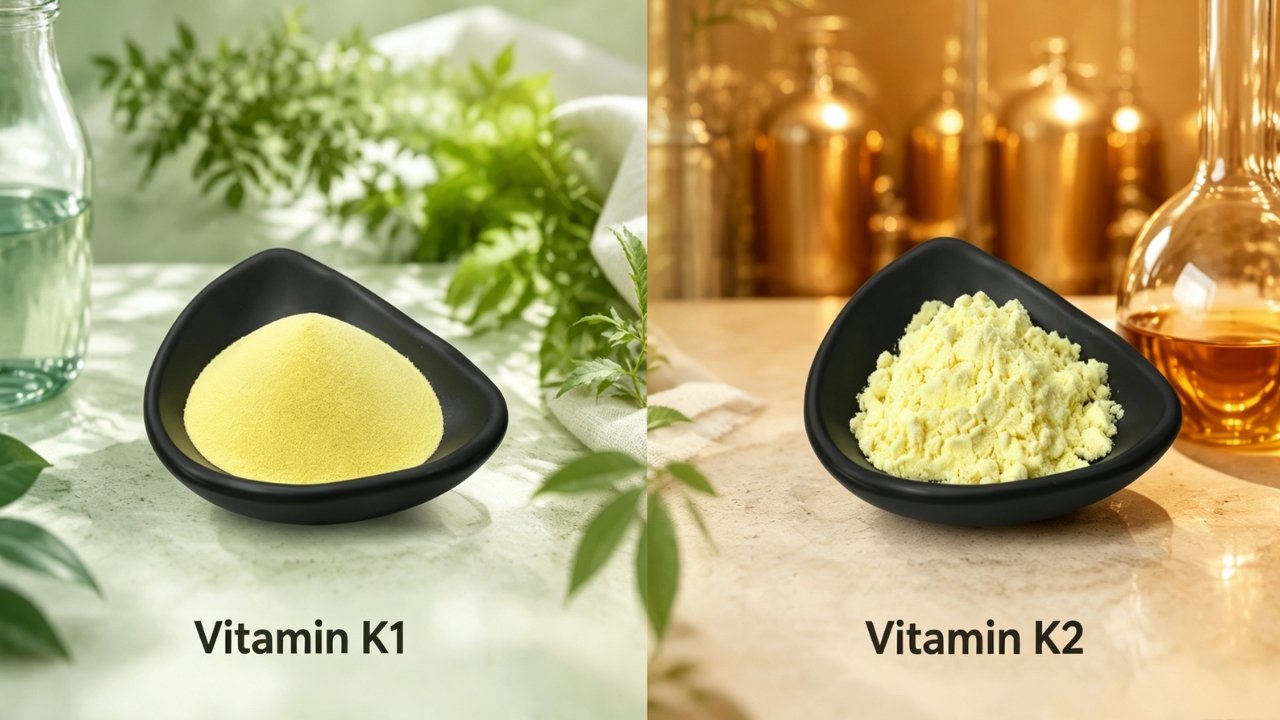
MK-4 (menaquinone-4) is commonly found in animal foods. You can also obtain it through microbial fermentation or synthesis. As a vitamin K2 form that has been studied earlier, it has a longer application history with a mature supply chain. You can consider its application in vitamin K2 supplements, bone health formulations, and some other nutritional products.
MK-7 (menaquinone-7) has a longer side chain structure. It is commonly obtained through fermentation. In recent years, it has growing applications in bone health supplements, vitamin blends, and premium dietary supplements.
Vitamin K1 vs K2: What Are the Differences in Functions
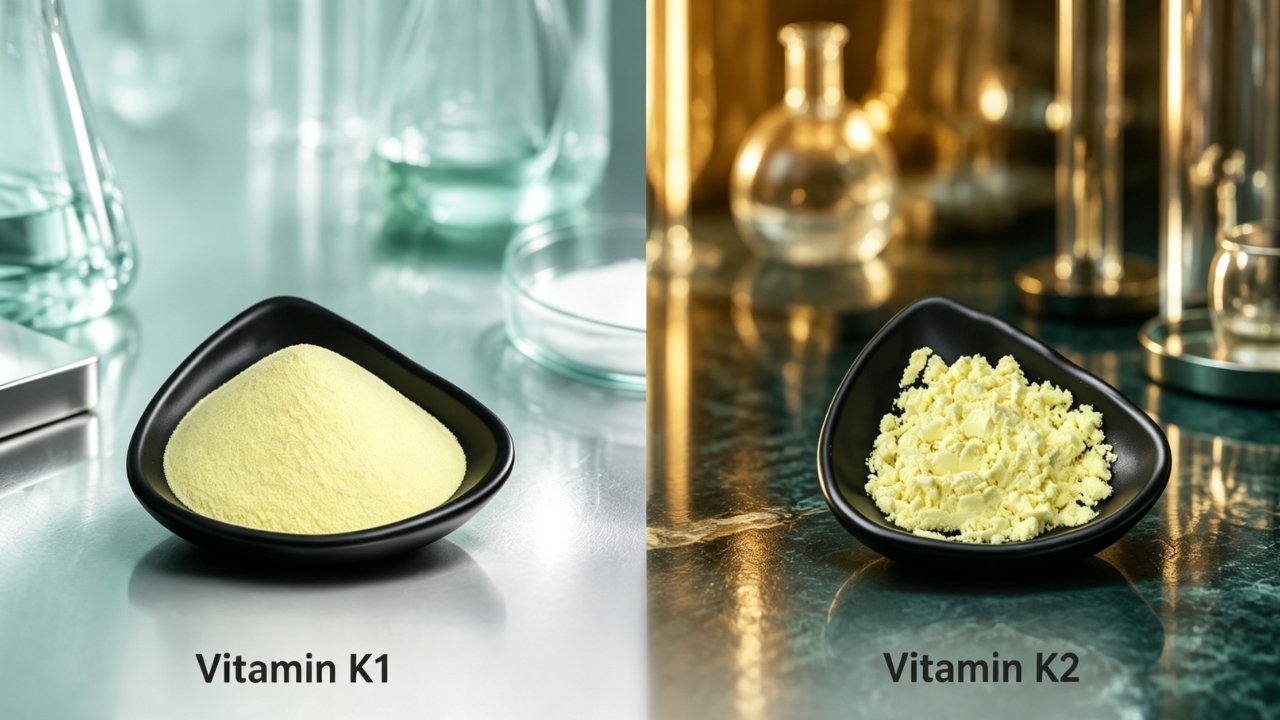
These functions are for reference only and are not medical claims. For more detailed formulation guides and advice, please consult professionals.
Basic Functions of Vitamin K
Vitamin K is involved in the activation of vitamin K-dependent proteins in the human body, such as coagulation, bone-related, and calcium-regulating proteins. Thus, we can say that vitamin K has potential in basic functions: blood clotting, bone care, and calcium regulation. Calcium regulation also contributes to normal heart functions.
As vitamin K1 and K2 differ in origins, structures, and distribution in the body, their functional focuses vary: vitamin K1 is more associated with blood clotting applications and K2 with bone care. When selecting vitamin K ingredients, you can consider their functional characteristics and compatibility with your formulation.
Absorption and Distribution
Vitamin K1 and Vitamin K2 have different absorption and distribution characteristics due to their different chemical structures. These differences influence their retention time and utilization patterns in the body.
Some studies show that the half-life of vitamin K1 in the body is several hours. It remains in the human circulatory system for a shorter period of time. So, a larger dosage of vitamin K1 is needed in your formulations. After absorption, it is mainly transported and used by the liver. And there, it participates in the activation of vitamin K-dependent proteins.
Vitamin K2 has a longer retention time. Studies show that the half-life of vitamin K2 MK-7 can reach 68 hours. So the dosage is relatively smaller compared with K1. Some vitamin K2 forms are transported to more body tissues beyond the liver.
These differences in circulation time and tissue distribution differentiate their positioning and functions in nutritional supplements.
Blood Clotting
Vitamin K1 is primarily transported to the liver and supports the activation of blood-clotting proteins. For products targeted at pregnant women, newborns, and infants, adding vitamin K1 to formulations may enhance blood-clotting support.
Vitamin K2 is similar to K1 in its blood-clotting potential. But in the ingredient markets, vitamin K2 is more emphasized for its bone care application.
For its involvement in blood coagulation, it is not recommended to use vitamin K1 and K2 with anticoagulants like warfarin.
Bone Care
Compared with vitamin K1, however, K2 is transported to more body tissues. It supports bone and heart health by converting osteocalcin and MGP into their carboxylated forms. Active osteocalcin can help bind calcium to bones, and MGP can help reduce the likelihood of calcium accumulating in arterial vessels.
Thus, vitamin K2 is involved in calcium metabolism. It is also helpful for vascular and cardiac health.
Vitamin K1 vs K2: Which Form Is More Suitable
Although vitamin K1 and K2 are both vitamin K and share the same basic functions, their different characteristics lead to their varied application in formulation development. In the following part, I will help you find the appropriate ingredient.
Product Positioning
Vitamin K1 is more commonly seen in diets. Its longer application and manufacturing history altogether contribute to its market positioning as a traditional vitamin K form. It can serve as a vitamin K supplement. If you are sourcing ingredients for your vitamin blends or products requiring comprehensive vitamin support, vitamin K1 is a good choice.
However, this does not mean vitamin K2 can not offer vitamin support. Actually, vitamin K2 is more commonly seen as a functional ingredient. It is more targeted at bone health and premium supplements, especially for MK-7. The vitamin K2 addition can also enhance the functional profile of your products.
Function of the Formulation
The nutrition function is an important part of the ingredient section. You are suggested to choose an ingredient that shares the same potential or function for your products.
If you are developing supplements focusing more on blood coagulation, you can consider vitamin K1. Although both vitamin K1 and K2 can help activate related proteins, vitamin K2 is emphasized more for other nutritional applications.
In bone-health formulations, vitamin K2 is more commonly used. The longer-circulation feature also leads to its valuation in the formulation ingredient market. You can title it for a product selling point.
Specific Vitamin K2 Form
Vitamin K1 has a stable chemical structure. It commonly has no subtypes. So when you choose vitamin K1, it is exactly that vitamin K1. Vitamin K2, however, is not a single molecule, but a series of menaquinones (MKs). So selecting vitamin K2 means you also need to consider the choice of MKs.
As mentioned above, MK-4 and MK-7 are most studied and applied. MK-4 is commonly used as a raw material for vitamin K2. MK-7 stands out for its prolonged circulation time in the blood. If you aim to emphasize the long-term vitamin K supplies, MK-7 is more suitable for your premium formulas.
If you plan to source MK-7, you need to verify the all-trans isomer content. Only the all-trans form has biological activity.
Costs
Vitamin K1 has a relatively more mature supply chain. It has reliable manufacturing technologies and reliable market order. Thus, for bulk orders, vitamin K1 is more cost-effective. If your formulations are cost-sensitive, cost-effective vitamin K1 can be a suitable vitamin K source.
Due to different subtypes and manufacturing technologies, the price for vitamin K2 varies. Generally, the cost of vitamin K2 is higher than K1. MK-7 has a relatively higher cost than MK-4. So you can consider vitamin K2 in your high-value-added formulations.
To sum up, you can use the chart below for your procurement reference.
| Considerations | Vitamin K1 | Vitamin K2 |
| Primary Source | Botanical, green leafy vegetables | Animal or fermented foods |
| Clearance Half-Life | 1-2 hours | MK-4 for 1-2 hours, MK-7 for 68-72 hours |
| Target Tissues | Liver | Liver, bone, arterial walls |
| Product Positioning | Basic nutrition, vitamin blends | Functional nutrition, premium supplements |
| Primary Function | Traditional vitamin K source, blood coagulation | Bone care and calcium modulation |
| Form | Phylloquinone | MK-4, MK-7 |
| Costs | Commonly more cost-effective | Commonly higher |
Why You Can Trust Sunjoy?
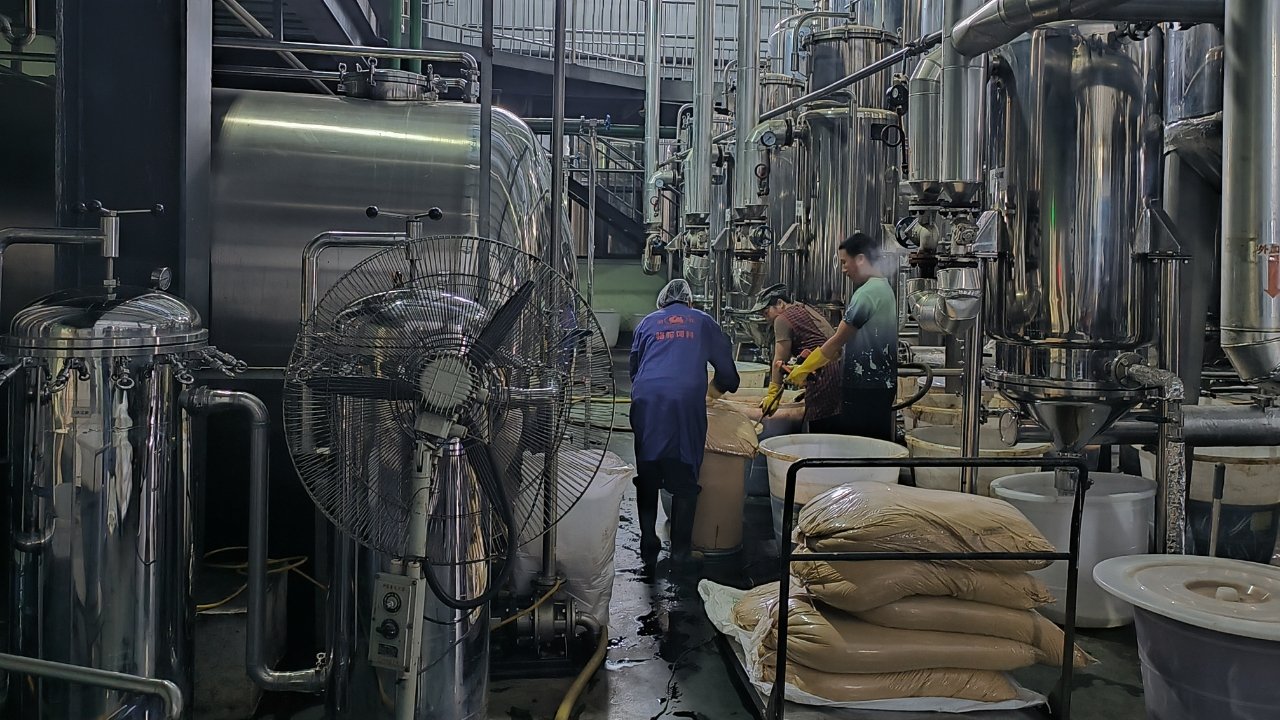
For vitamin K, especially K2 procurement, we stand out for our bulk supplies, consistent high quality, comprehensive documentation support, and flexible, customized vitamin K solutions. If you are sourcing a reliable ingredient manufacturer, we are your best choice! Contact us and get free samples!