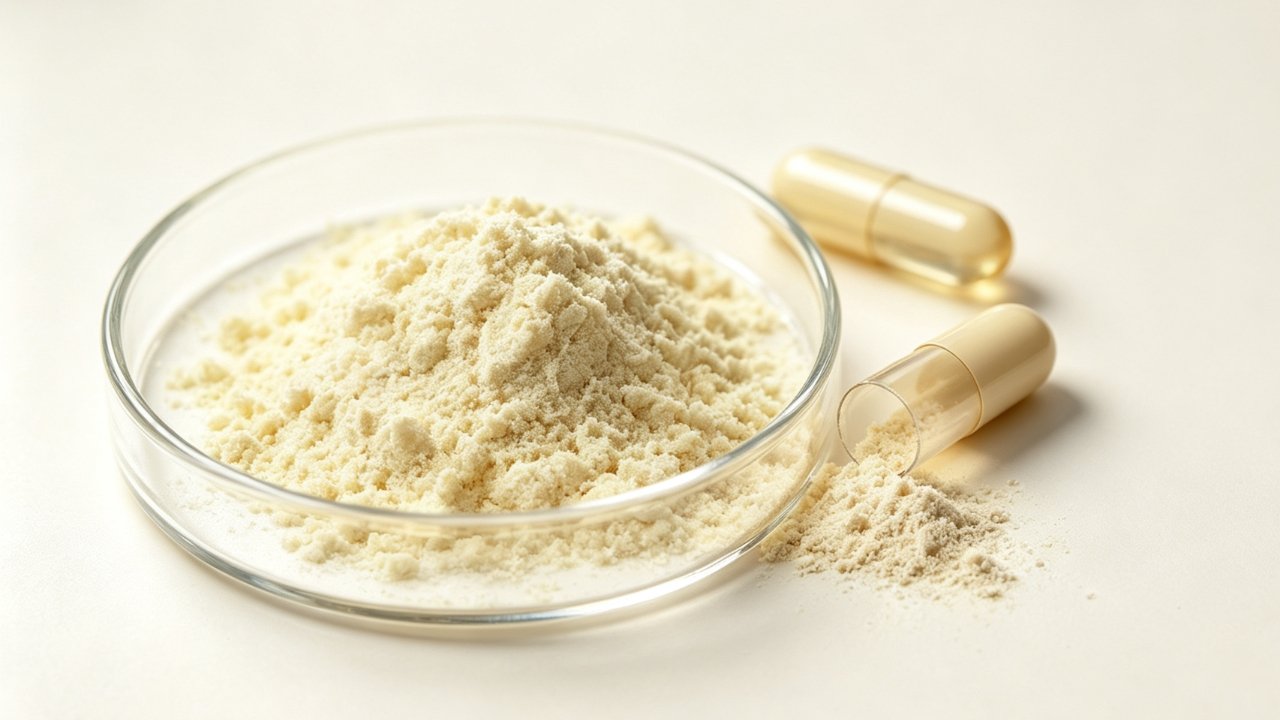
What is riboflavin, and how can it be used in your formulations? A comprehensive understanding of riboflavin enables better application. Keep reading, and this article will give you a detailed guide to vitamin B2 formulation.
What Vitamin Is Riboflavin?
Riboflavin Is Vitamin B2
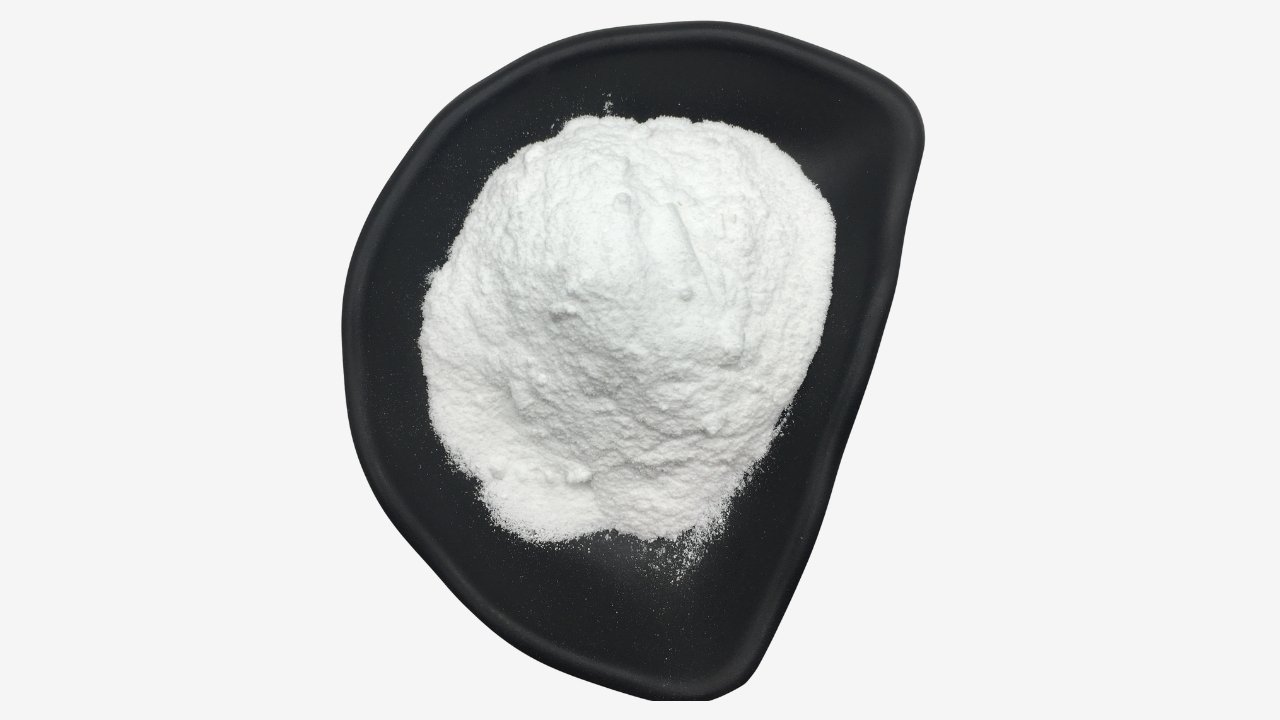
Actually, riboflavin is another name for vitamin B2. In the ingredient market, you may be familiar with this ingredient. Vitamin B2 is a water-soluble vitamin that is essential to the human body. It is used as a standardized source of Vitamin B2 in nutritional and fortified formulations.
In the human body, vitamin B2 is involved in the energy metabolism of major nutrients, providing people with energy for movement. It also participates in the normal functional maintenance of skin, eyes, and mucous membranes.
Although it is very important to human health, humans cannot synthesize enough riboflavin for normal functions. They need to obtain riboflavin through diet. Riboflavin naturally exists in various foods such as dairy products, eggs, meat, and leafy vegetables. However, commercial formulations need controlled and consistent vitamin B2 content.
Riboflavin Deficiency Reactions
Riboflavin deficiency may lead to characteristic deficiency manifestations. Common symptoms include:
- Oral and tongue: cracked corners of the mouth, dry lips, and a sore or red tongue;
- Eye: redness, itching, watering, and sensitivity to light;
- Skin: redness, scaling, and possible dermatitis;
- Hair: possible hair loss may occur in association with riboflavin deficiency;
- Systemic manifestations: prolonged or severe deficiency may be associated with anemia, fatigue, and weakness.
Where Can Riboflavin Be Used in Formulations?
Functions of Riboflavin
What does riboflavin do? To understand where you can use riboflavin, you need to know the benefits and functions of vitamin B2.
Energy Metabolism
Riboflavin plays an important role in energy metabolism. Vitamin B2 converts into FMN and FAD. Then, these two coenzymes participate in the metabolism of carbohydrates, fats, and proteins, thereby supporting normal energy metabolism.
For its participation in energy metabolism, it is commonly used as a vitamin B2 source in B-complex, multivitamin, and nutritional formulations.
Antioxidant Defense
Converted from riboflavin, FAD is the coenzyme required for glutathione reductase activity. Glutathione reductase can help maintain GSH levels, which is an important antioxidant defense in cells. Considering its participation in flavin-dependent enzymes, vitamin B2 is involved in cellular redox processes and antioxidant defense.
Iron Metabolism
Riboflavin is involved in iron metabolism and processes related to red blood cells. Therefore, riboflavin is included in multivitamins, B-complex, and nutritional formulations that contain iron.
Skin, Mucosal, and Eye Function
Riboflavin can contribute to normal cellular metabolism and normal tissues, including skin and mucosal tissues. With enough vitamin B2, the body can better maintain the health of skin, mucosa, and eyes. You can formulate it in products that require vitamin B2, including supplements for skin or eye health, and multivitamins.
Applications of Riboflavin
With the functions above, you may wonder what kinds of products vitamin B2 can be used in. Here are some common applications for your reference.
Dietary Supplements
Riboflavin is commonly used as a vitamin B2 source in dietary supplements. It can serve as a single nutrient or be combined with other vitamins, minerals, or nutrients. The actual combination varies based on your product positioning. Common products include vitamin B2 supplements, gummies, and daily nutritional supplements.
Multivitamin Formulations
Riboflavin can be formulated with other B vitamins, such as B1, B3, and B5, to form B-complex formulations. It can also be used with vitamin C, D, or others in multivitamin products. When you design your multi-ingredient formulations, it is recommended to pay attention to ingredient performance stability, dosage control, and batch consistency.
Fortified Foods and Beverages
Riboflavin is also a fortification ingredient. It can be used in food fortification. For example, if you already have a food formulation and want to increase the vitamin B2 content, you can consider adding riboflavin. Common products include breakfast cereals, nutrition bars, bakery products, dairy products, and other fortified foods.
Riboflavin is also applicable in beverages. During processing procedures, dispersity, processing conditions, pH, and storage stability need your attention.
Pharmaceutical Formulations
There are some medications and vitamin preparations that require standardized vitamin B2 content. These applications are highly demanding of ingredient quality. In procurement, you can pay attention to the assay, purity, pollutants, quality consistency, and pharmacopoeial compliance.
For sourcing ingredients, we offer quality-compliant vitamin B2 for your formulations, ensuring consistent functional performance.
Personal Care and Beauty Products
Riboflavin is involved in cellular energy metabolism, redox reactions, and normal cellular function. Skin, hair, and other body tissues require continuous cellular metabolism to support normal functions, so vitamin B2 is an essential ingredient for skin and hair health. It is commonly used in oral beauty supplements.
Common Combined Ingredients
These common combinations may give you insights into formulation development.
| Combination Category | Common Combined Ingredients | Application |
| Other B Vitamins | Vitamin B1, B3, B5, B6, biotin, folate, vitamin B12 | B-complex supplements, multivitamins, nutritional powders |
| Other Vitamins | Vitamin A, C, D, E | Multivitamins, fortified foods and beverages, nutritional supplements |
| Minerals | Iron, zinc, magnesium, calcium, selenium | Multivitamins, mineral-vitamin supplements, women’s nutrition, nutritional products |
| Other Functional Ingredients | Coenzyme Q10, L-carnitine, amino acids, and other nutritional ingredients | Energy and metabolism products, comprehensive nutritional formulations |
Formulation Considerations for Riboflavin
In your formulation design and product manufacturing, you may encounter some problems. Here are some tips for you to consider.
Choose Appropriate Dosage Form
Before your procurement, you can decide on what product form you plan to process into. The choice of dosage form may affect your procurement considerations for raw materials.
| Dosage Form | Suited Applications | Considerations |
| Tablets | Multivitamins, B-complex, vitamin B2 supplements, vitamin and mineral complex tablets | Powder flowability, content uniformity, excipient compatibility, tableting performance |
| Capsules | Vitamin supplements, B-complex, multivitamins | Powder flowability, fill uniformity, particle size, compatibility with other active ingredients |
| Powders | Nutritional powders, meal replacement powders, powdered drink mixes | Particle size, flowability, dispersibility, mixing uniformity, and moisture |
| Gummies | Vitamin gummies, multivitamin gummies, beauty supplements | Processing temperature and time, moisture, content stability, sugar-gum system compatibility |
| Liquid Formulations | Liquid vitamin supplements, oral nutritional liquids | Solubility, dispersibility, pH, light stability, and storage stability |
| Beverages | Fortified beverages, nutritional drinks, meal replacement beverages | Solubility or dispersibility, pH, thermal processing, light exposure, storage stability |
| Fortified Foods | Cereals, nutrition bars, bakery products, dairy products, meal replacement foods | Processing temperature, food matrix compatibility, mixing uniformity, storage stability |
Determine the Appropriate Riboflavin Dose
Based on the current U.S. RDA data from the NIH ODS, the recommended dietary allowance for vitamin B2 is as follows. For infants, the values are Adequate Intakes (AI). This chart is only for reference. For detailed dosage advice, please consult professionals.
| Age | Male | Female | Pregnancy | Lactation |
| Birth to 6 months | 0.3 mg | 0.3 mg | ||
| 7-12 months | 0.4 mg | 0.4 mg | ||
| 1-3 years | 0.5 mg | 0.5 mg | ||
| 4-8 years | 0.6 mg | 0.6 mg | ||
| 9-13 years | 0.9 mg | 0.9 mg | ||
| 14-18 years | 1.3 mg | 1.0 mg | 1.4 mg | 1.6 mg |
| 19-50 years | 1.3 mg | 1.1 mg | 1.4 mg | 1.6 mg |
| 51+ years | 1.3 mg | 1.1 mg |
Choose Suitable Riboflavin Form
Riboflavin 5′-phosphate is a common choice of riboflavin. Then you may be curious about what to choose: the standard riboflavin or riboflavin 5′-phosphate. The table below can offer you a reference.
| Comparison | Riboflavin | Riboflavin-5′-Phosphate Sodium |
| Chemical Form | Free riboflavin | Phosphate ester sodium salt |
| Water Solubility | Lower | Higher |
| Liquid Formulation | Prone to solubility limitations | Suitable for liquid vitamin B2 formulations |
| Solid Formulation | Suitable for tablets, capsules, and powders | Can be used in solid formulations, while performing better in liquid formulations |
| Dose Calculation | Ingredient assay is the riboflavin content | Calculate the actual vitamin B2 content based on R5P specifications and assay |
| Costs | Lower | Higher |
If you plan to process your products into solid and cost-sensitive formulations, riboflavin is a good choice. Riboflavin-5′-phosphate is better suited to liquid products due to its superior water solubility.
Protect Riboflavin from Light
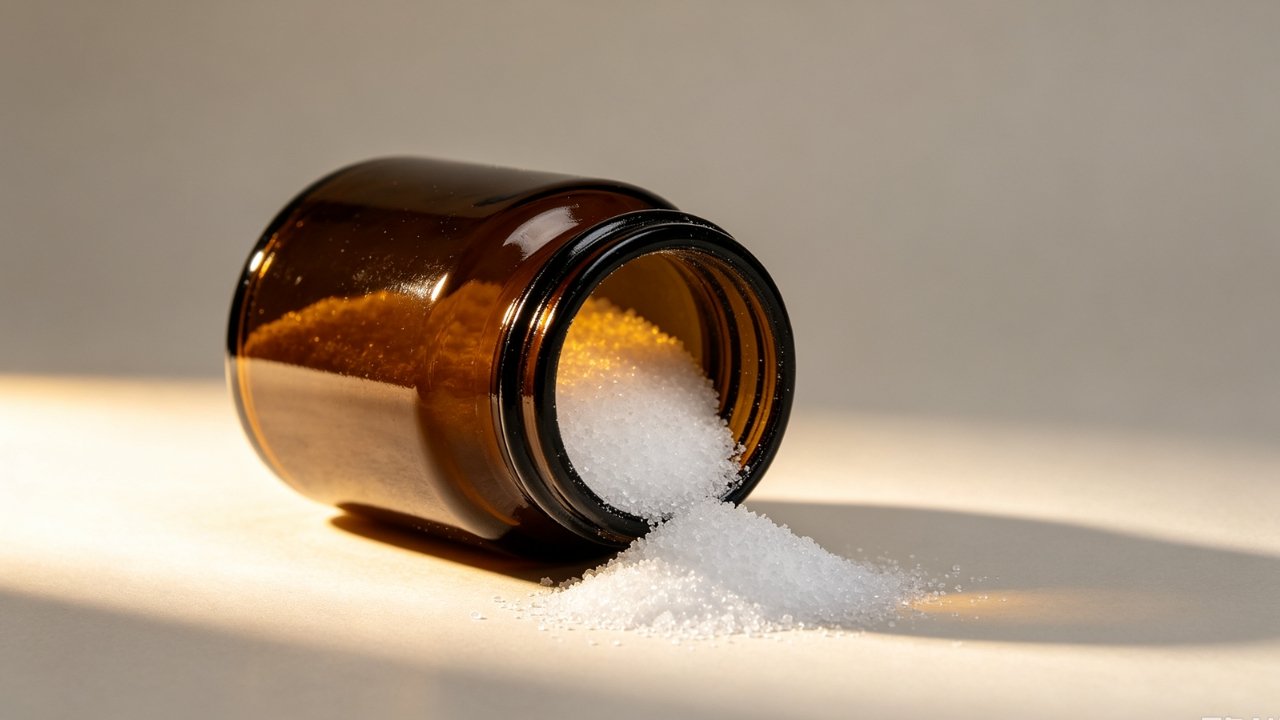
Riboflavin is sensitive to ultraviolet and visible blue light. When exposed to light, especially strong, continuous sunlight, photodegradation may happen. Thus, the functional stability and ingredient content in your formulations can be affected. Liquid and transparent products are more prone to photodegradation.
To protect the riboflavin in your products, you can choose light-protective packaging. Opaque containers, amber bottles, and light-barrier films are good choices. In product manufacturing, light resistance is also important. You can minimize unnecessary light exposure, use opaque manufacturing containers, and accelerate filling and packaging to reduce stability risks.
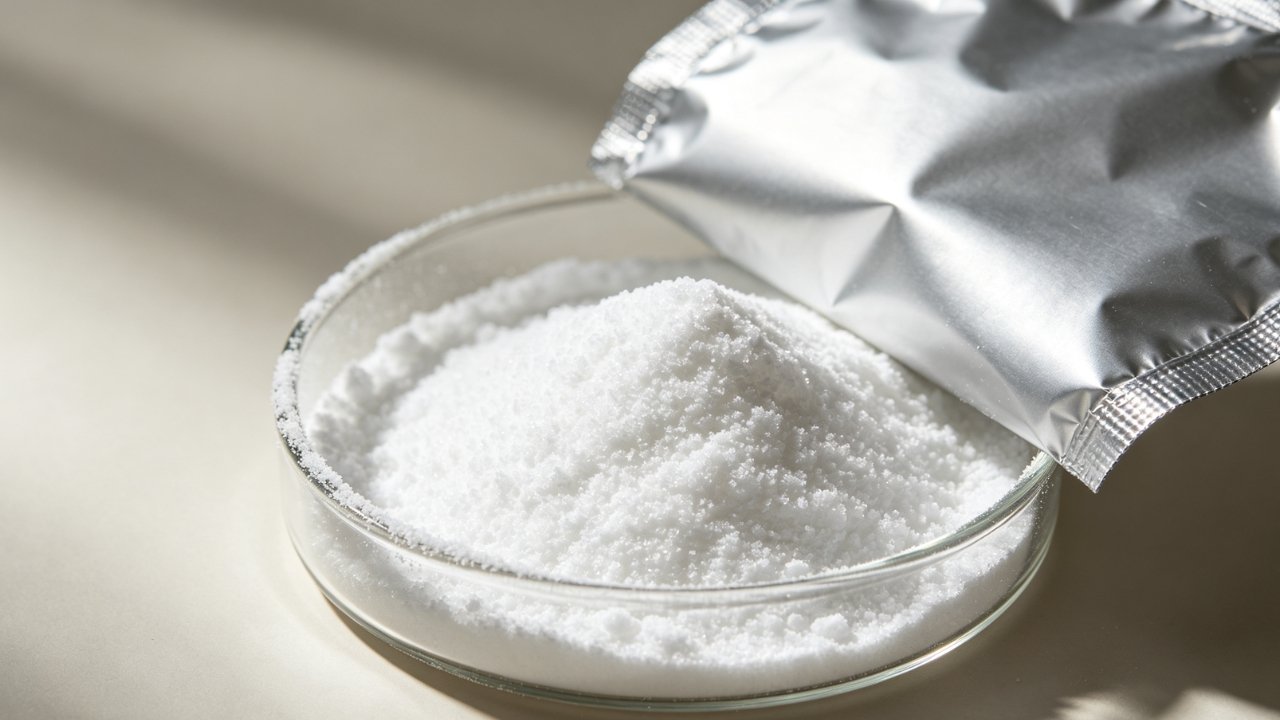
During storage and shipping, light exposure may also be a problem. We offer light-resistant packaging, including aluminum foil bags and fiber drums with inner double-layer PE bags. These package options can help minimize unnecessary exposure and protect your products from heat, light, and moisture.
Verify Quality and Documentation
Raw material quality will directly affect the riboflavin content, batch consistency, and quality control of your final products. So you need to verify if the riboflavin meets your manufacturing standards.
Ingredient Quality
Assay and purity are important. Different suppliers may offer you riboflavin of different grades. Determining whether this batch of riboflavin is suitable to use only based on the product name is not recommended. You can request relevant documents to check the riboflavin assay.
Impurities and safety specifications are also important. Riboflavin for foods and nutrition supplements requires testing for heavy metals, microorganisms, moisture, and other specifications. For imported and exported products, you also need to check whether the raw materials meet the regulatory requirements of the target markets.
Batch Consistency
Batch consistency is vital to continuous procurement. If the vitamin B2 used in formulation design differs from that used in mass manufacturing, product stability and performance can be significantly affected.
Documentation Support
For market entry and global logistics, various documents are required. Insufficient documents may result in shipping delays and even rejection by customs. Sunjoy provides comprehensive documentation support, offering COA, GMP, ISO, FSSC, REACH, and other documents. Third-party specifications are also available.
With required regulatory compliance documents, you can see whether the riboflavin you purchase is quality-assured. These documents also accelerate your customs clearance, helping with smoother global shipping.
FAQ
Is Riboflavin Safe for Children?
Yes, riboflavin, or vitamin B2, is well tolerated for children at the age-based recommended dosage. Actually, riboflavin is an essential vitamin for children’s growth and development. You can add riboflavin to children’s supplements. For specific vitamin B2 dosage recommendations, please consult qualified professionals.
How Quickly Will People Feel Better after Taking Riboflavin?
Riboflavin is not an ingredient that produces noticeable effects immediately after intake. People can feel the difference after long-term continuous use. The time varies among individuals. Some people may feel improvements within 1-2 weeks, while some people may require 2-3 months.
Is Vitamin B12 the Same as Riboflavin?
No. Riboflavin is vitamin B2, and vitamin B12 is also called cobalamin. Although they are both B vitamins, they differ in chemical structures and physiological effects.
Can People Take Riboflavin Every Day?
Yes. The human body can not synthesize riboflavin on its own, so people obtain it through their daily diet. You can incorporate it into your daily supplement at an appropriate dosage.
Does Riboflavin Help Strengthen Immunity?
Riboflavin is not an immune booster. It cannot directly enhance the body’s immunity. However, riboflavin is involved in normal immune functions. Through its participation in redox reactions and cellular metabolism, it supports immune cells and antioxidant defense.
Why You Can Trust Sunjoy
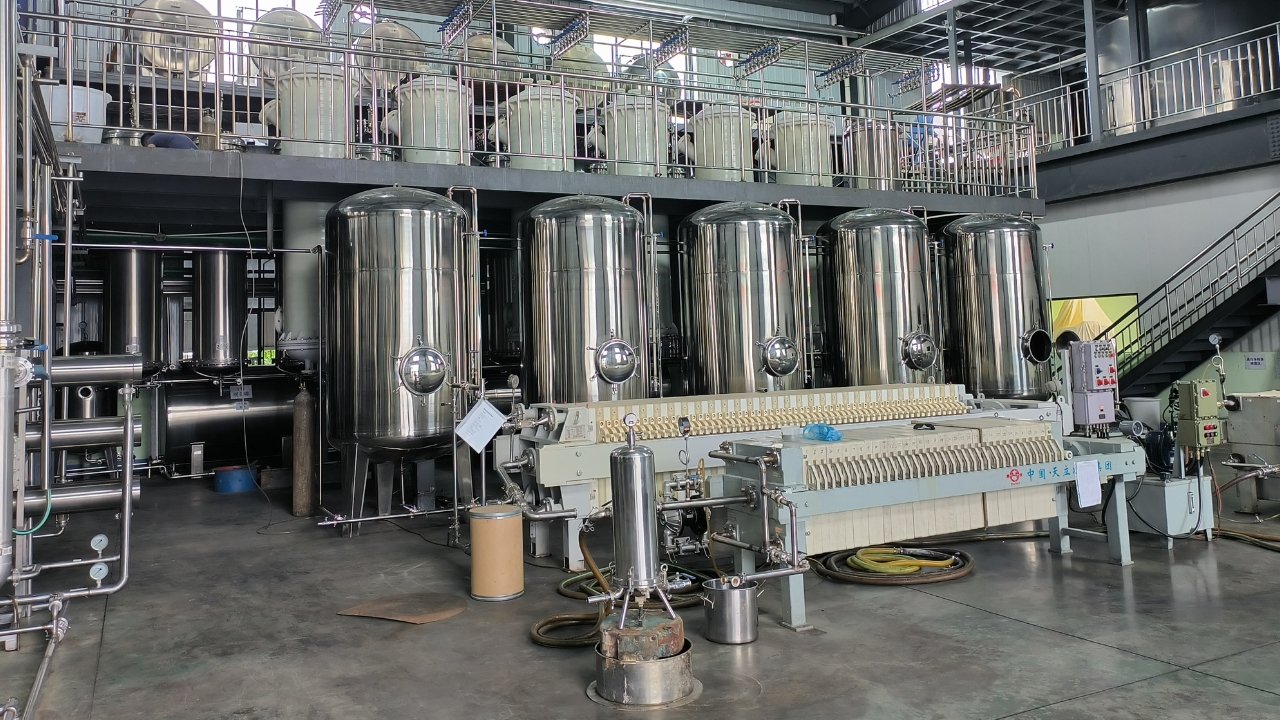
Through standardized manufacturing procedures, strict quality control, and rigorous batch testing, we ensure stable quality and batch consistency. From your formulation design to mass production, we ensure our riboflavin remains the same. If you are interested, contact us and get free samples for your evaluation!