
Wholesale Kojic Acid Dipalmitate Powder Manufacturer in China
Sunjoy provides high-quality kojic acid dipalmitate powder for your cosmetic formulas.
- CAS number: 79725-98-7; molecular formula: C38H66O6; molecular weight: 618.93
- Related name: kojic dipalmitate
- Solubility: soluble in oils and organic solvents and insoluble in water
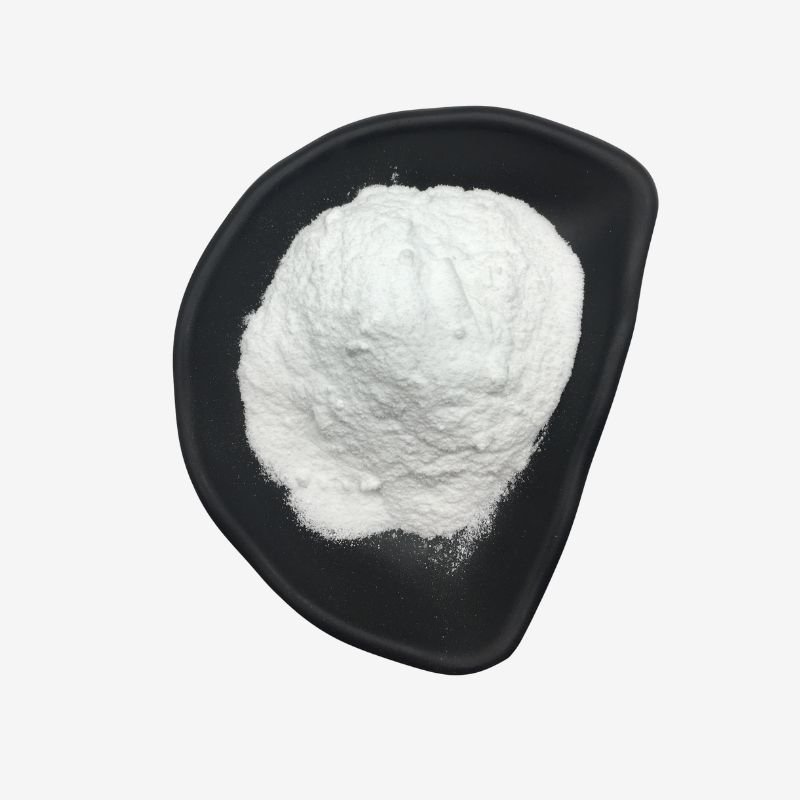
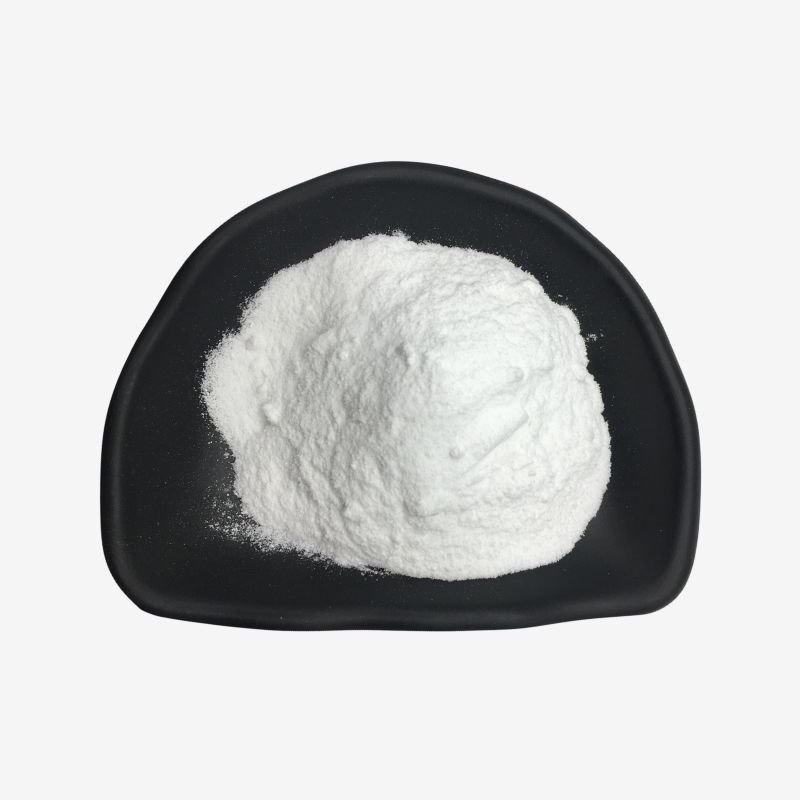
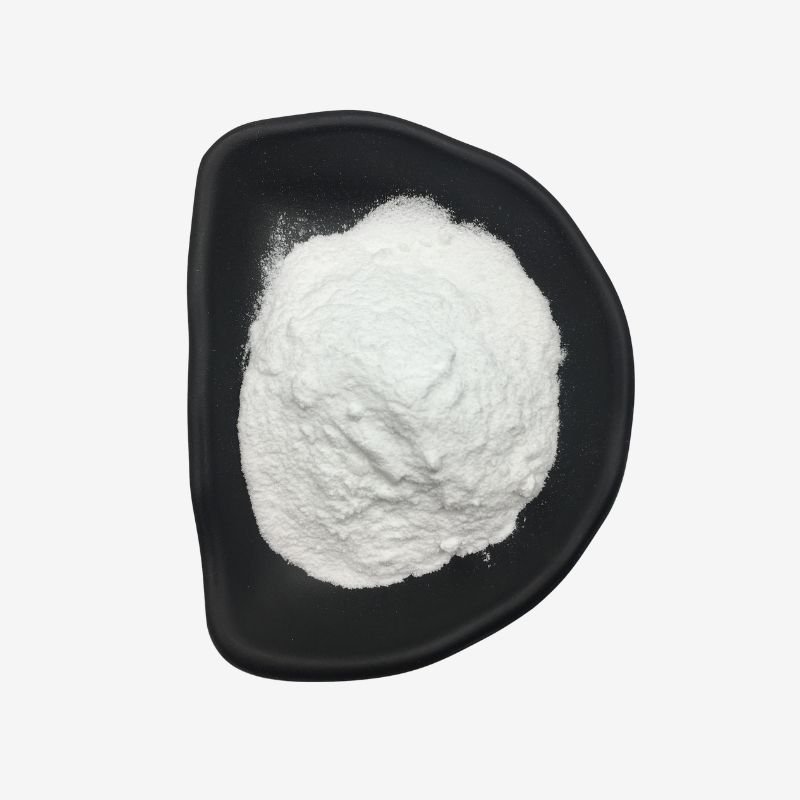
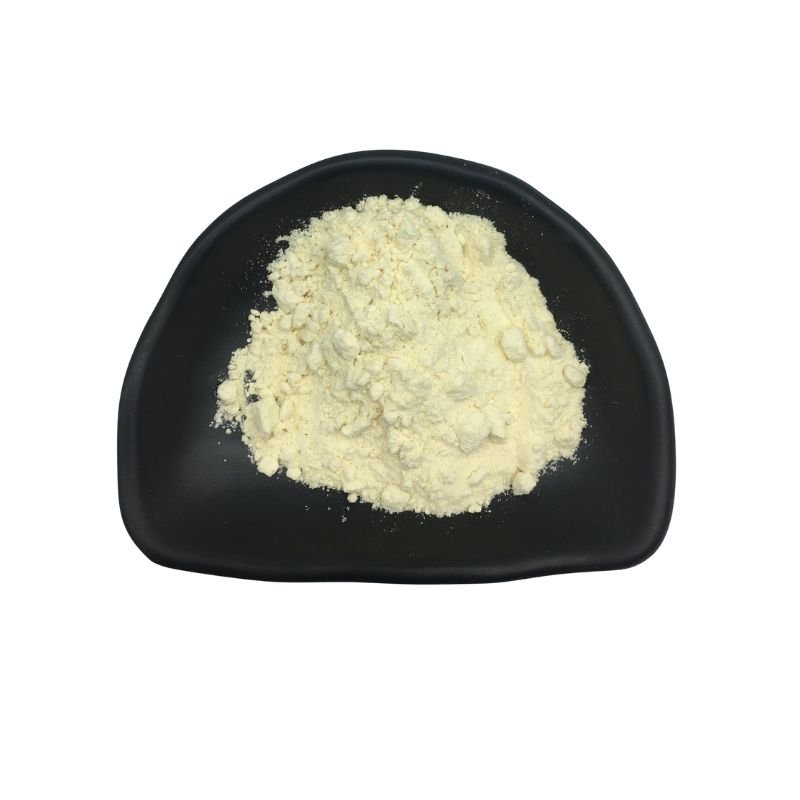
- Appearance: white or almost white crystalline powder
- Packaging: 1 kg aluminum foil bags, 25 kg fiber drums with inner double-layer PE bags
What Is Kojic Acid Dipalmitate Powder?
Kojic acid dipalmitate is a lipid-soluble derivative of kojic acid. Through an esterification reaction between kojic acid and palmitic acid, we get kojic acid dipalmitate.
Kojic acid dipalmitate powder exhibits excellent formulation compatibility. Now, it has been widely used in cosmetics and personal care products, especially for skin lightening and antioxidant properties.
Applications of Sunjoy Kojic Acid Dipalmitate Powder
Kojic acid dipalmitate is an active ingredient commonly used in cosmetics. It is used to develop skin care products that improve dullness, enhance skin brightness, and even skin color, such as skin-brightening serums, creams, etc. The application focus lies in skin tone management.
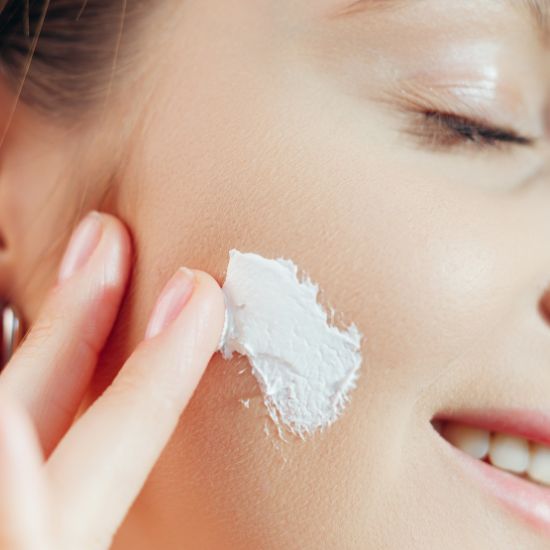
Our kojic acid dipalmitate powder can also be used in dark spot management. It can be used in formulations targeted at dark spots, age spots, uneven pigmentation, and post-blemish marks. Common final products include spot treatment creams, corrective serums, and pigmentation care products targeted at pigmentation.
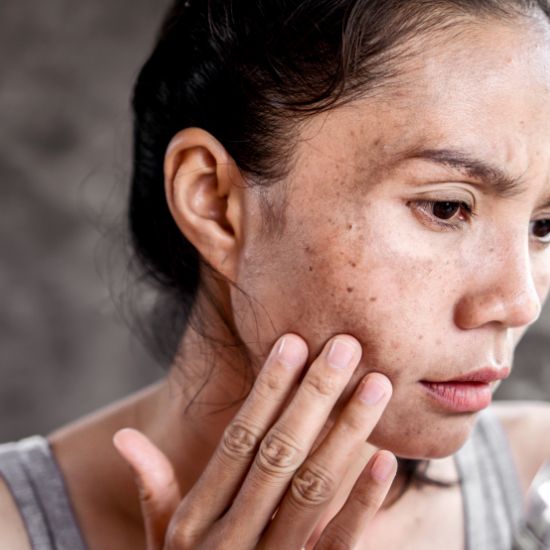
The oil solubility, good formulation compatibility, and stable performance enable our products’ application in facial care. Actually, facial skincare is one of the main applications of kojic acid dipalmitate powder. You can add Sunjoy kojic acid dipalmitate powder to various facial products, including facial creams, lotions, and essence products.
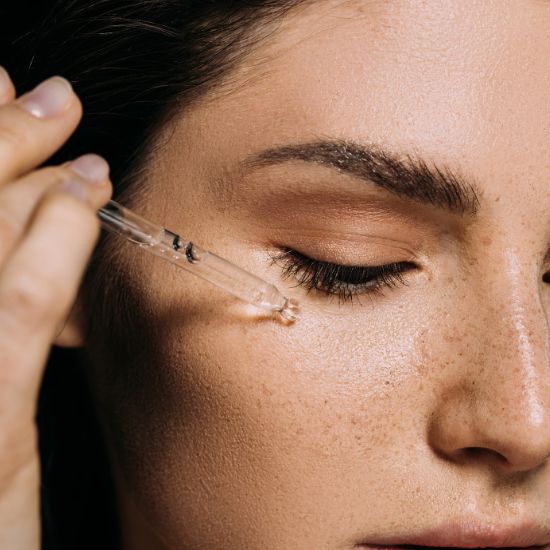
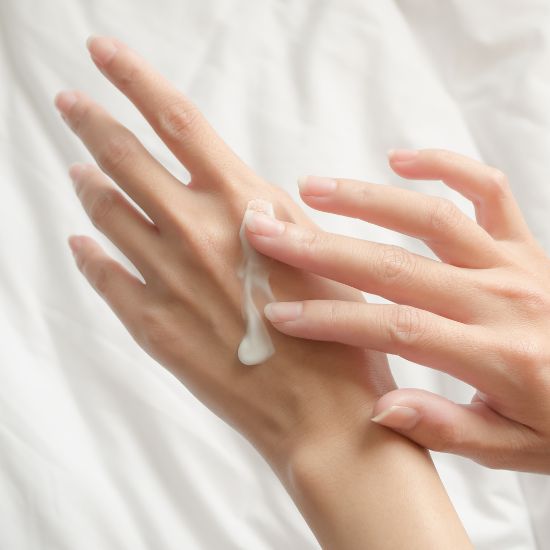
In addition to facial care and skin color management, Sunjoy kojic acid dipalmitate powder can also be used in products caring for other body parts, such as the body and hands. You can use our products in body lotion, hand cream, exfoliating products, and cleaning products like soaps.
More About Our Company
- Professional Kojic Acid Dipalmitate Supplier
- Features
- Manufacturing
- Certificate of Analysis
- Transparent, mature industrial chains for kojic acid dipalmitate
- Well-established manufacturing lines comply with ISO and GMP
- 10 years of professional experience in producing kojic acid dipalmitate
- Meet the EU, US, and CN market standards
Improved Formulation Stability: Through controlled esterification processes, our kojic acid dipalmitate powder exhibits enhanced structural stability, helping reduce oxidation discoloration risks.
Excellent Oil Solubility: Our kojic acid dipalmitate powder can dissolve quickly into oil, improving formulation design flexibility. You can add our products to multiple personal care formulas.
High Purity: Through multiple rounds of purification, concentration, and testing, including HPLC tests, we ensure high purity of our products, ideal for your premium cosmetic application.
Reliable Product Consistency: We have standardized manufacturing procedures, ensuring every batch of kojic acid dipalmitate powder meets USP, EP, and ChP standards.
Cosmetic Quality: Focusing on the cosmetic application direction, we emphasize appearance, purity, heavy metals, and other specifications, offering cosmetic-grade kojic acid dipalmitate.
Strict Quality Control: From raw material preparation to final products, we establish a testing system, closely monitoring product quality.
Documentation Support: We provide complete documentation for regulatory requirements, including COAs, specification sheets, third-party inspections, and other documents.
Flexible MOQ: Starting from 100g, we offer flexible MOQ options, ideal for long-term kojic acid dipalmitate powder supplies from formulation trials to large-scale commercial production.
Raw Material Preparation: Before manufacturing, we strictly control the quality of kojic acid and palmitic acid, the key raw materials used for producing kojic acid dipalmitate. Quality testing specifications include raw material identification, purity, moisture content, and impurity level control.
Esterification Reaction: Through chemical reactions, we add palmitic acid into the molecular structure of kojic acid, forming kojic acid dipalmitate with higher lipid solubility. During the esterification reaction, we control the temperature, time, and conditions to promote complete reaction and minimize byproduct formation.
Purification Process: After the esterification reaction, we purify the reaction products to remove unreacted residues, byproducts, and other impurities. The purification technologies commonly include solvent treatment, filtration, washing, and refining. Thus, we enhance the kojic acid dipalmitate powder purity to meet the cosmetic grade.
Drying Process: The drying process is required to minimize the moisture concentration. We conduct vacuum drying to evaporate solvents at a lower temperature, avoiding a long-term high-temperature process. Thus, we help maintain the product’s chemical stability, reduce residual solvents, and produce a stable kojic acid dipalmitate powder.
Milling and Screening: The dried kojic acid dipalmitate powder undergoes grinding and screening processes to meet the powder specification. Common machines include mechanical mills, pin mills, and hammer mills. Milling and screening can optimize powder uniformity and dispersion efficiency for stable performance during cosmetic processing.
Quality Testing: Before our products leave the factory, we conduct multiple quality tests to ensure that our kojic acid dipalmitate meets regulatory requirements for export and import. Common testing parameters include HPLC assay, purity, moisture, residue, and appearance check.
| Assay (by HPLC) | ≥98.0% |
| Melting point | 93.0℃-97.0℃ |
| Identification | Conforms |
| Loss on drying | ≤0.5% |
| Color reaction of ferric chloride | No color |
| Ignition residue | ≤0.1% |
| Chloride | ≤50ppm |
| Heavy metals | ≤10 ppm |
| Appearance | White or almost white crystalline powder |
| Storage | Store in a well-closed place with constant low temperature and no direct sunlight. Protect from moisture. |
| Shelf life | 24 months if appropriately stored |
| MOQ | Flexible, starting from 100g |
| Sample | 10-20g free samples are available, and the shipping costs will be covered by the clients. |
| Departure time | Within 5-7 days after your payment |
Related Products
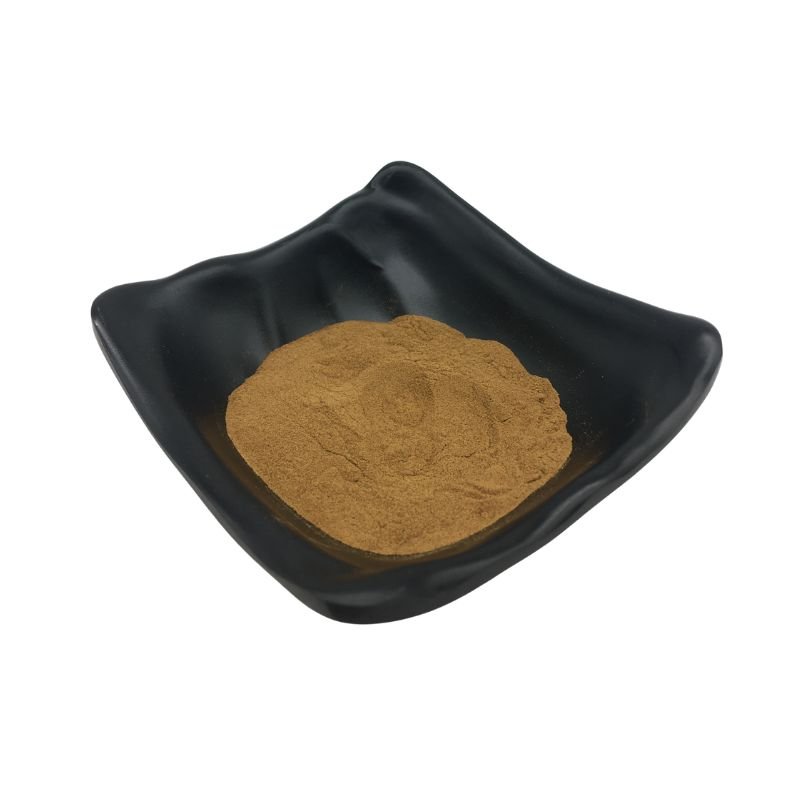
Kojic acid dipalmitate powder is a lipid-soluble kojic acid derivative. It has advanced compatibility with oil phases. However, it is in solid powder form. In cosmetic formulation development, therefore, dissolution is required to disperse kojic acid dipalmitate powder into the oil phase system.
Choose Appropriate Oil-Based Solvent
Based on your final products and their forms, you can choose different oil phases. Commonly, oil solvents with good solubility, pleasant skin feel, and high stability are recommended. You can consider caprylic or capric triglyceride, ethylhexyl palmitate, and isopropyl myristate. Other cosmetic oils or emollients, like shea butter, are also suitable.
Heat Oil-Based Solvent
To accelerate the dispersion of kojic acid dipalmitate powder, heating is recommended. When oil-phase ingredients are put into the mixing tank, you can slowly heat the solvent. The heating temperature is about 70-80℃.
During the heating, kojic acid dipalmitate powder is added while stirring. Temperature control and maintenance are important for powder dispersion acceleration. Common stirring technologies include mechanical stirring, high-shear mixing, and homogenization.
Integrate with Emulsion Systems
If your final products are in the form of cream, lotion, or emulsion-based serum, the oil solvent of kojic acid dipalmitate needs to be emulsified with the aqueous phase. High-shear mixing and homogenization are conducted for subsequent cosmetic product manufacturing.
| Parameters | Kojic Acid Dipalmitate Powder | Kojic Acid Powder |
| Chemical Properties | An esterified derivative of kojic acid | The original kojic acid structure |
| Solubility | Oil-soluble, soluble in some cosmetic oils and organic solvents, insoluble in water | Soluble in water, practically insoluble in oils |
| Formulation Compatibility | Suitable for oil-based, emulsion systems (O/W, W/O), and oil-containing systems | Commonly used in water-based formulations |
| Production Forms | Face creams, lotions, serums, oil-based skincare products, etc | Water-based products |
| Stabiity | Enhanced stability and reduced oxidation-related discoloration risk, more suitable for long-term commercial skincare development | More sensitive to light, heat, and oxidation, requiring additional stability control |
| Costs | Higher | Lower |
Compared with kojic acid powder, kojic acid dipalmitate powder is more stable in processing. It exhibits better oil solubility and formulation compatibility, more suitable for commercial cosmetic development.
| Parameter | Kojic Acid Dipalmitate Powder | Hydroquinone Powder |
| Chemical Properties | An esterified derivative of kojic acid | An aromatic diphenol compound and a traditional skin-lightening ingredient |
| Solubility | Oil-soluble, soluble in some cosmetic oils and organic solvents, insoluble in water | Moderate water solubility and poor oil solubility |
| Formulation Compatibility | Suitable for incorporation into oil phases and emulsified systems | Highly demanding of formulation stability; oxidation and color changes need attention |
| Stability | Enhanced stability for commercial skincare formulations | Sensitive to light and oxygen, and more prone to oxidative discoloration |
| Application | Skin-brightening products, dark spot treatment products, face creams, serums, lotions, body care products | Primarily used in professional skincare products or regulated skin-lightening products |
| Regulatory Environment | Used as an ingredient in cosmetics in many regions, but must comply with local regulatory requirements. | Subject to strict regulation in many countries and regions, and its use in over-the-counter cosmetics is restricted or prohibited in some markets |
| Commercial compatibility | Suitable for large-scale skincare product development and long-term supply | Commonly used for specialty or regulated products |
| Costs | Higher | Lower |
These two ingredients can both be used in skin-brightening formulas. However, kojic acid dipalmitate is more stable in processing and has a wider application range. Besides, in some regions, hydroquinone is strictly regulated in processing and cosmetic uses. So, if you are hesitating about the choice of cosmetic ingredients, kojic acid dipalmitate powder is more suitable.
These benefits are for reference only. For more detailed functions and advice, it is recommended to consult professionals.
Support Pigmentation Care
Tyrosinase is a key enzyme involved in melanin formation. In formulations, kojic acid dipalmitate powder may help regulate tyrosinase activity, thereby supporting balanced melanin production. Therefore, kojic acid dipalmitate powder is used in some pigmentation care products.
You can also combine kojic acid dipalmitate with other brightening ingredients, such as N-acetyl glucosamine (NAG), to develop multifunctional skin-brightening formulations.
Antioxidant Support
Oxidative stress is associated with skin aging and uneven skin tone. Kojic acid dipalmitate exhibits certain antioxidant properties. In related products, it may help reduce oxidative stress on the skin, thus helping maintain a balanced skin color.
Skin-Conditioning Function
Kojic acid dipalmitate is more stable. So, the formulation design is more flexible. In formulation development, you can combine kojic acid dipalmitate powder with moisturizers and soothing ingredients. Thus, you can design more gentle skincare products suitable for various skin types.
These side effects are for reference only. If you need more detailed advice on formulation design, please consult professionals.
Potential Skin Sensitivity
Kojic acid dipalmitate powder is generally considered a well-tolerated cosmetic ingredient when used at appropriate concentrations in cosmetic formulations. However, different skin types may have different reactions to cosmetic ingredients.
Some improperly designed products may cause temporary discomfort, such as mild redness, skin discomfort, and skin sensitivity.
Allergic Reaction
Some people may be allergic to kojic acid dipalmitate or other ingredients in cosmetic products. So it is recommended to conduct skin compatibility testing and patch testing in formulation development.
Factors Affecting Formulation Tolerance
The application effects and use experience are affected by different factors:
- Concentration
- Formulation pH
- Compatibility with other active ingredients
- Product dosage forms, etc.
Proper formulation design can reduce possible skin uneasiness.
Contact Us
If you are sourcing kojic acid dipalmitate powder, Sunjoy is your best supplier in China. We offer cosmetic-grade pure ingredients to support stable product performance and consistent formulation quality. Contact us and get free samples!