When sourcing antioxidant ingredients, you may encounter alpha-lipoic acid. What is it? How to use it in your formulations. Do not worry! This article will guide your formulation development.
What Is Alpha-Lipoic Acid?
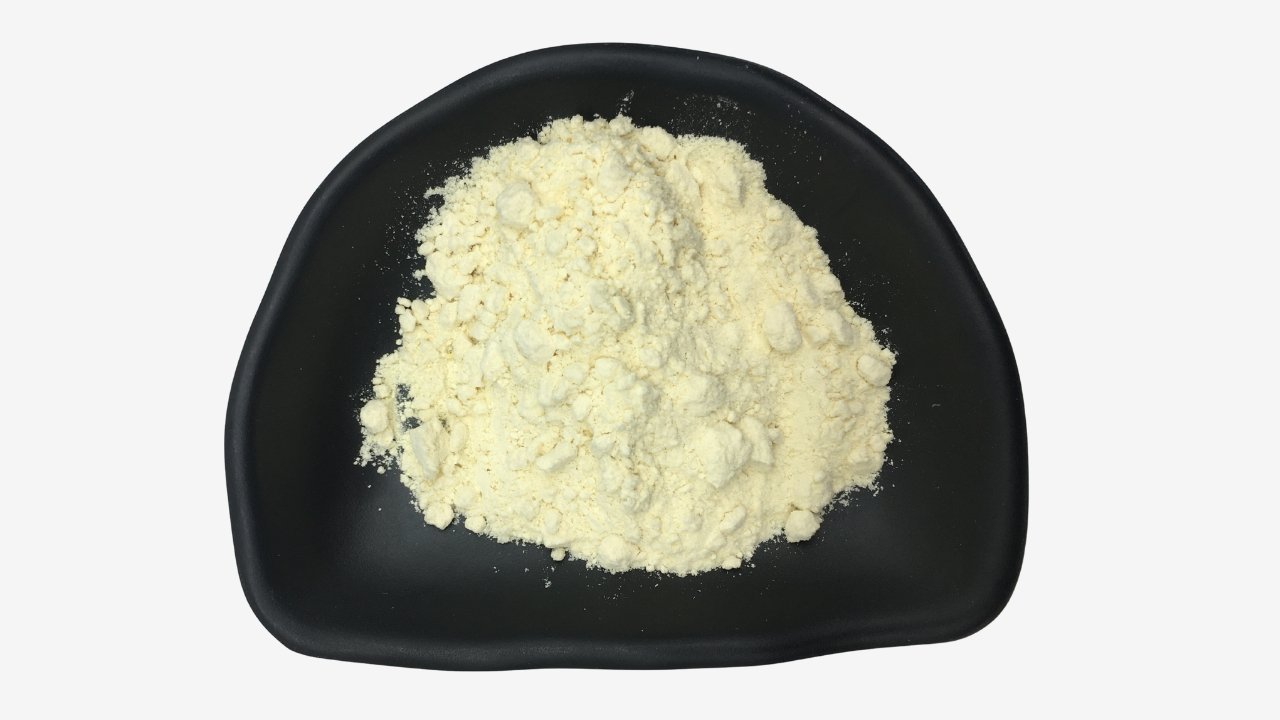
Alpha-lipoic acid (ALA), also known as thioctic acid, is a sulfur-containing compound that naturally occurs in the human body and various foods. Unlike many common antioxidants, ALA is soluble in both water and lipids (sodium ALA), enabling a broader range of applications.
What does alpha lipoic acid do? Alpha-lipoic acid can contribute to antioxidant defense through various mechanisms:
- React with reactive oxygen species (ROS);
- Help regenerate vitamin C, vitamin E, and other antioxidants;
- Bind to metal ions that are involved in oxidation reactions.
These mechanisms altogether help maintain cellular redox balance and reduce oxidative stress damage to cellular components.
ALA is involved in mitochondrial energy metabolism and exhibits multiple oxidation mechanisms. Therefore, it is studied and used in dietary supplements and nutritional health products. Its interactions with other antioxidants also make it ideal for various product applications, including antioxidant activity, metabolic health, and cellular health.
What Are the Benefits of Alpha-Lipoic Acid?
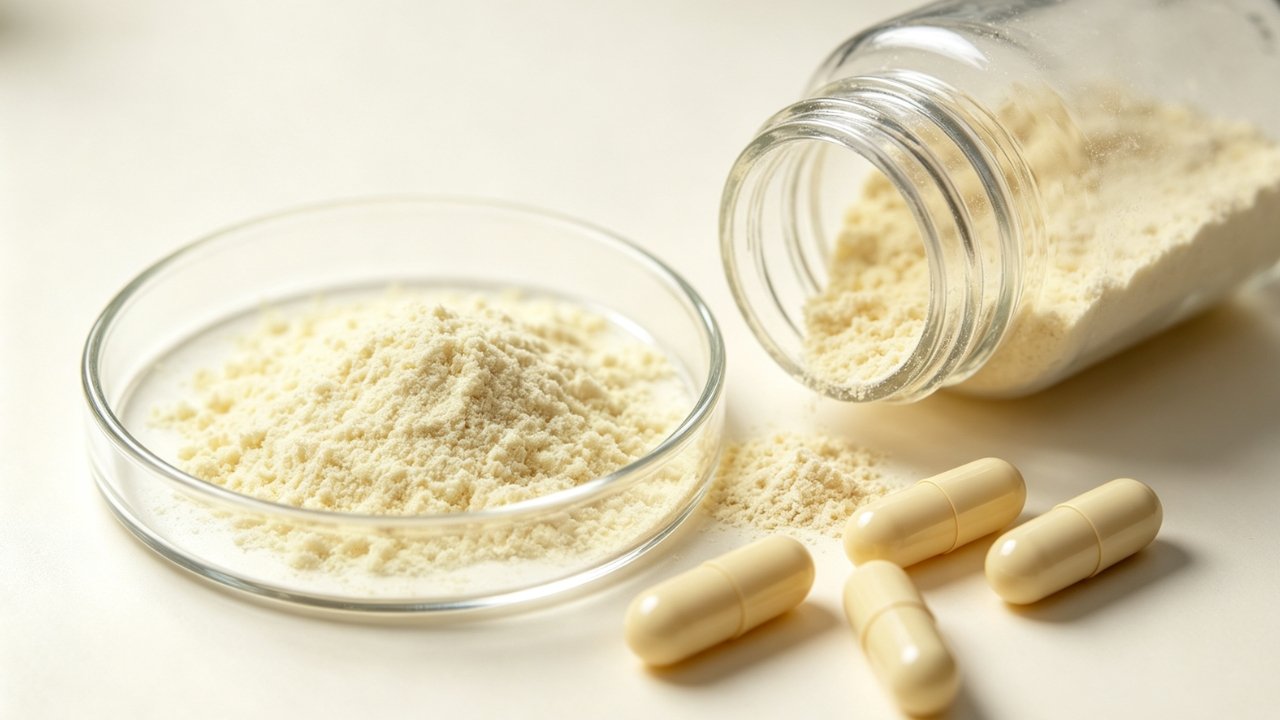
The main benefits of alpha-lipoic acid lie in its antioxidant activity and involvement in mitochondrial energy metabolism. Besides, the health benefits of alpha-lipoic acid are commonly associated with glucose metabolism, nervous system health, cellular health, and skin health.
Antioxidant Support
One of the main functions of ALA is its antioxidant activity. ALA and its reduced form, DALA, can participate in redox reactions. Their reactions with ROS also enable the body’s antioxidant defenses.
Alpha-lipoic acid can react with other antioxidants. When vitamin C, vitamin E, or glutathione is oxidized, alpha-lipoic acid may help regenerate them to their reduced forms. Studies also find that ALA has certain metal chelation capacity and potential in metal-related oxidation processes.
Energy Metabolism Support
Alpha-lipoic acid is a cofactor required for some key enzyme complexes in mitochondria. It participates in the energy metabolism of nutrients. Through its involvement in various metabolisms, ALA is related to the process of cells converting nutrients into energy.
Therefore, ALA can be used as a functional ingredient in energy metabolism and nutritional products.
Metabolic Health Support
The relationship between alpha-lipoic acid and glucose metabolism is being studied. Some research has found its potential influence on glucose usage and insulin sensitivity. Thus, ALA is used in glucose-related formulation development.
Nervous System and Cellular Health Support
Alpha-lipoic acid can cross the blood-brain barrier. This draws ALA’s attention to brain health and nervous system research. Oxidative stress is linked to neuronal function and nervous system health. So ALA’s potential in cellular health is also analyzed.
Thus, ALA is a potential ingredient for nervous system and cellular health. If you are developing related formulations, you can consider ALA.
Skin and Healthy Aging Support
Skin is long-term exposed to air and sunlight, experiencing environmental oxidative stress. Considering its antioxidative support, ALA is also used for its potential skin health benefits and in healthy aging products. Thus, it can be used in some personal care and cosmetic formulations.
Alpha-Lipoic Acid vs Other Antioxidant Ingredients
Different antioxidant ingredients are not always competitive with each other. Actually, they have their own preferences. You can incorporate multiple antioxidant ingredients into your formulations. Here’s a chart for your formulation reference.
| Ingredient | Differences | Common Applications |
| Alpha Lipoic Acid (ALA) | Water- and lipid-soluble (sodium ALA), antioxidant-related activity, energy metabolism, reactions with other antioxidant ingredients | Antioxidant and metabolic health formulations |
| Coenzyme Q10 (CoQ10) | Mitochondrial energy production and lipid-phase antioxidant activity | Energy, cardiovascular and healthy-aging formulations |
| Glutathione | Intracellular antioxidant and tripeptide involved in cellular redox balance | Antioxidant and beauty-from-within formulations |
| Milk Thistle | A botanical extract, silymarin- and liver-focused formulations | Liver health and herbal supplement |
| L-Carnitine | Fatty acid transport and energy metabolism | Sports nutrition and metabolic formulations |
| Berberine | A plant alkaloid, metabolic pathways | Metabolic health formulations |
| Benfotiamine | A lipid-soluble thiamine derivative, a vitamin B1 source | Vitamin B1, metabolic, and nerve-health formulations |
What Products Can Be Formulated with Alpha-Lipoic Acid?
Now you know the benefits of alpha-lipoic acid. However, it is not enough. Formulating alpha-lipoic acid and turning it into a product is our goal. This part will show you common ALA applications for your consideration.
Dietary Supplements
Alpha-lipoic acid can be used in various dietary supplements for both men and women, including dietary capsules, tablets, and softgels. For multicomponent dietary supplements, ALA can also cooperate with vitamins, minerals, coenzymes, botanical extracts, or other functional ingredients.
Nutraceutical Formulations
ALA has biological activity in many ways. Thus, it can serve as a functional ingredient in comprehensive nutritional formulations. Its antioxidant characteristics and interactions with other antioxidant nutrients enable the development of multi-ingredient products.
You can consider ALA’s application in complex antioxidant formulas, multi-ingredient nutritional capsules, and complex nutritional tablets.
Functional Foods and Beverages
Many foods and drinks use ALA as a functional ingredient. You can find it in many nutritional drinks, solid drinks, nutritional bars, and nutrient-fortified foods. In actual formulation development, ALA’s pH, moisture content, processing temperature, and storage conditions all need your attention.
Pharmaceutical Formulations
As mentioned above, ALA is widely studied and applied in the nervous system and healthy metabolism. Therefore, pharmaceutical-grade alpha-lipoic acid can also be used in certain pharmaceutical preparations. Commonly, quality requirements for raw material purity, impurity control, testing methods, and batch consistency are more strict.
Sunjoy can provide you with pharmaceutical-grade ALA that complies with USP, ChP, and BP standards. We ensure high-purity ingredients with stable product consistency. You need not worry about assay variations in your products.
Personal Care Products
The antioxidant characteristics and potential application in skin and hair care draw attention from cosmetic and personal care product development. Cosmetic-grade alpha-lipoic acid can be used in topical formulations for creams, serums, lotions, gels, and other formulations.
You can evaluate ALA’s stability, solubility, and ingredient compatibility for your ingredient preparation. Quality-assured alpha-lipoic acid can further promote your formulation performance.
What Should You Consider When Using Alpha-Lipoic Acid?
When you decide to use alpha-lipoic acid in your formulations, you need to pay attention to the ingredient procurement. Here are some key points you may need to know.
Purity and Active Content
The purity and assay content are important parameters for ingredient quality evaluation. For products that need actual demand of alpha-lipoic acid, you need to check whether the ALA powder you order is purity- and assay-compliant. Only when ALA is pure enough can your formulation development be reliable in product performance.
Besides, moisture, heavy metals, and residual solvents are all important to your product quality, especially for pharmaceutical use. Through HPLC inspection, Sunjoy precisely tests and controls ALA quality, ideal for your quality evaluation and further formulation development.
Stability
ALA quality may change across batches. The manufacturing process, storage, and shipping can all affect the stable performance in final products. So, in ALA procurement, you can request COAs of different batches to evaluate ingredient stability.
Through standardized manufacturing procedures and multiple quality tests, we ensure that our ALA quality meets your formulation quality requirements.
Dosage Level
Alpha-lipoic acid is determined through final product type, dosage form, target market, and formulation positioning. Different ALA additions can vary through products. You can not simply use ALA intake recommendations directly as a commercial dosage. For detailed dosage, it is recommended to consult professionals.
Compatibility with Other Ingredients
Actually, alpha-lipoic acid is commonly combined with other ingredients in complex nutritional products. As it has good formulation compatibility, it can be used with CoQ10, vitamin C, vitamin E, B vitamins, and plant extracts.
However, the final formulation performance is also affected by other active ingredients, excipients, pH, processing, and storage conditions. So in formulation development, it is recommended to test the formulation stability using the ALA you order.
Safety and Potential Side Effects
Alpha-lipoic acid is generally well tolerated at the recommended dosage. However, some people may experience mild adverse reactions. Potential side effects include nausea, vomiting, diarrhea, abdominal discomfort, headache, or dizziness.
As ALA may affect glucose metabolism, people who are taking insulin or oral antidiabetic medications should be aware of the potential interaction.
People who have thyroid disorders should also consult professionals to check whether products containing ALA may interact with thyroid or thyroid medications.
When you design formulations, it is recommended to consider these side effects and interactions. Thus, you can minimize the consumers’ intake risks.
Grade and Regulatory Requirements
Dietary supplements, medications, and cosmetic products require different grades of alpha-lipoic acid. For example, ALA in dietary supplements should be compliant with dietary-grade requirements, and cosmetic-grade ALA cannot be used in medicines. Check the ingredient grade before your procurement.
In addition to the ingredient grade, you should also evaluate whether your ALA supplier can provide comprehensive documentation support. Complete documents help facilitate customs clearance, make global shipping smoother, and meet market regulatory requirements.
For documentation, we can provide COAs, specification sheets, HPLC test reports, heavy metal tests, residual solvent tests, GMP, ISO documentation, third-party inspections, and other documents. Our documentation makes your procurement easier with better quality evaluation.
FAQ
What Are the Food Sources of ALA?
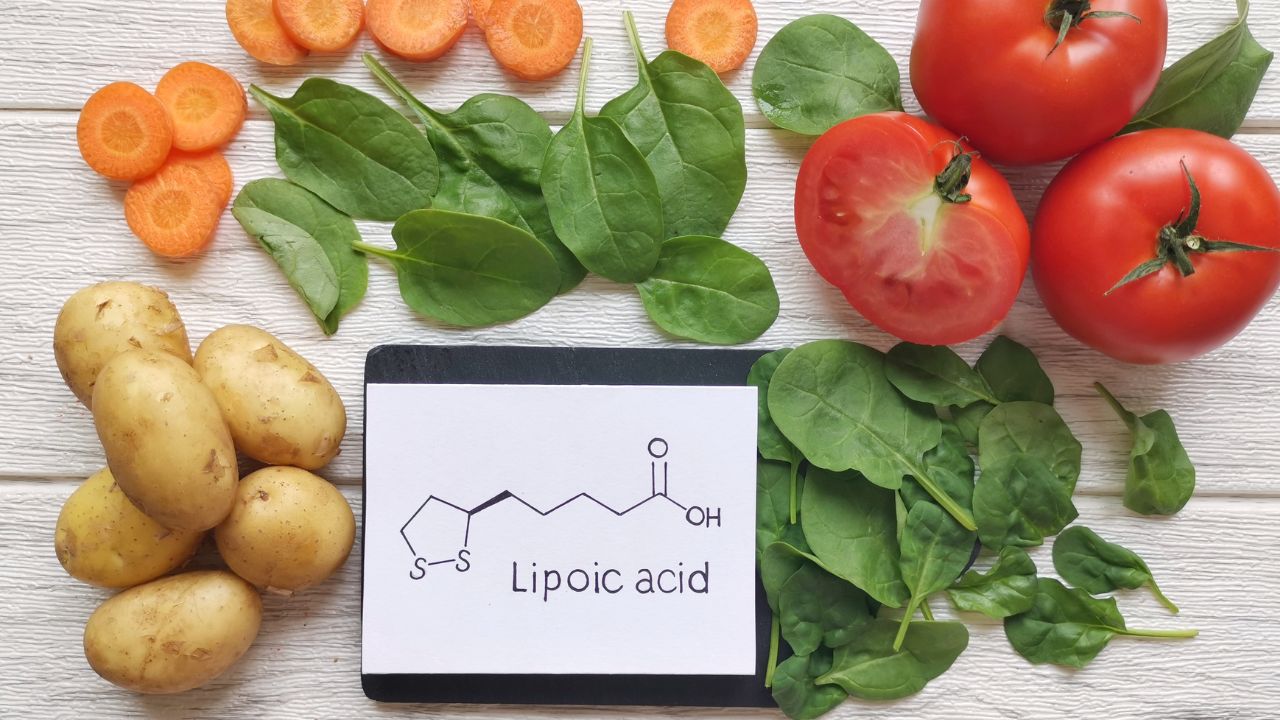
Alpha-lipoic acid can be obtained from some natural foods. Common food sources include:
- Animal organs: liver, kidney, heart, etc.
- Vegetables: spinach, broccoli, tomatoes, potatoes, carrots, etc.
- Whole grains: some whole grains and grain products, etc.
In animal organs, ALA is commonly bound to proteins, and the content in plants is relatively limited.
Can Alpha-Lipoic Acid Help with Weight Loss?
Current research has shown that alpha-lipoic acid has a potential influence on weight management. However, it is not appropriate to directly claim that ALA can help with weight loss.
ALA may interact with AMPK, which is related to cellular energy balance, glucose, and lipid metabolism. Some research also studies ALA’s potential on appetite and energy intake. Therefore, you can consider using ALA in your weight-management formulations.
Can Alpha-Lipoic Acid Help with Diabetes?
Alpha-lipoic acid may help cells use glucose more effectively and improve insulin sensitivity. With enhanced insulin sensitivity, muscles and other tissues may take and utilize glucose more efficiently, helping maintain normal blood sugar levels.
Long-term high blood sugar can increase oxidative stress and even cause cellular and tissue damage. As ALA has antioxidant properties, it is studied for diabetes-related nerve damage. Therefore, it can be considered in nutritional products for metabolic health, glucose metabolism, and nerve health.
However, alpha-lipoic acid can not replace antidiabetic drugs, nor is it a medication for treating diabetes.
Can People Take Alpha-Lipoic Acid Every Day?
Whether alpha-lipoic acid can be taken daily depends on dosage, product types, and individual circumstances. Actually, ALA is well tolerated when used appropriately. At the recommended dosage, you can incorporate alpha-lipoic acid into your daily use formulations.
Can People Take Vitamin B12 and Alpha-Lipoic Acid Together?
Yes. There is no widely recognized evidence showing that vitamin B12 cannot be used with alpha-lipoic acid. With a properly functional design, you can use these two ingredients in your formulations.
Why You Can Trust Sunjoy?

With multiple well-established manufacturing lines, we ensure bulk production capability for alpha-lipoic acid benefits. Through strict quality control and inspections, our ALA powder complies with kosher and halal requirements. Customization is also available, from manufacturing specifications to cargo packaging.
If you are sourcing premium alpha-lipoic acid powder, Sunjoy is your trusted wholesale partner in China. Contact us now and get free samples!