People tend to question the safety of Microcrystalline Cellulose after knowing its name. It seems like a chemically synthesized material with toxins. However, MCC is quite safe in various applications.
Review the technical and regulatory profile below to streamline your supplier qualification process.
What Is Microcrystalline Cellulose? 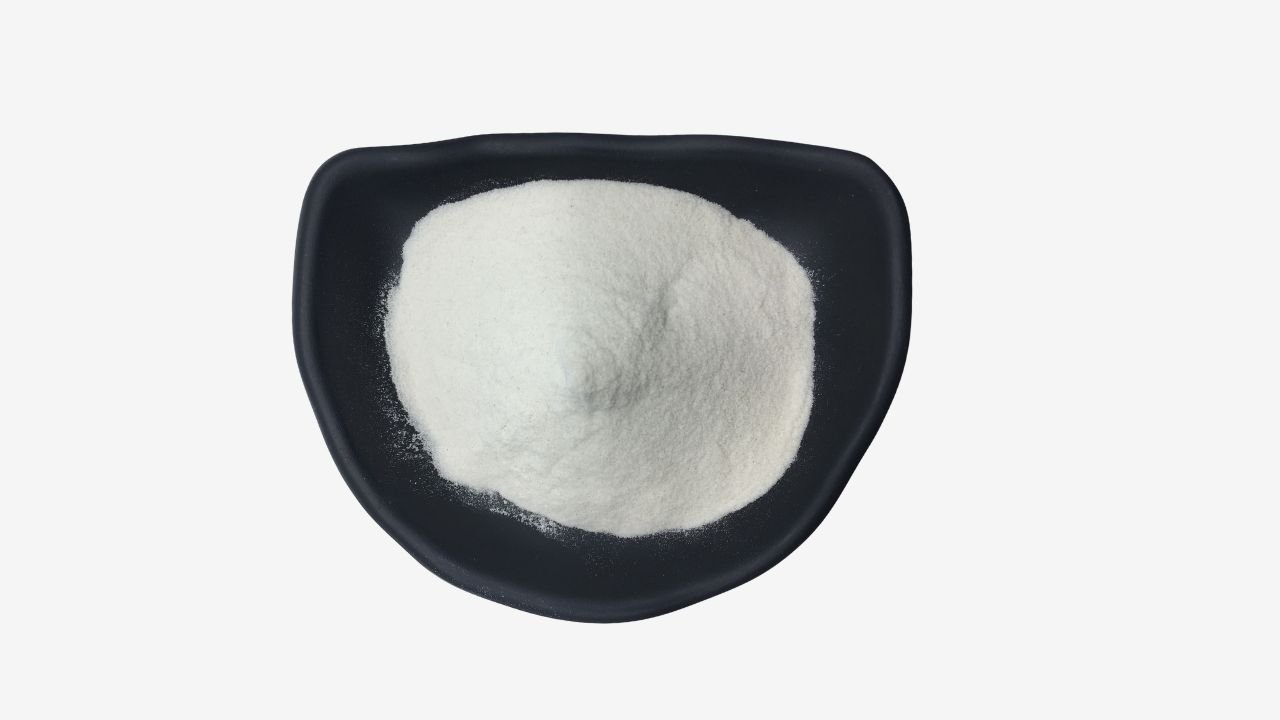
Microcrystalline Cellulose (MCC) is a purified substance derived from natural plant fibers.
“Microcrystalline” refers to the process of removing the loose, unstable impurities and amorphous regions via physical and chemical purification methods. In this way, the most perfect, highly ordered “tiny crystalline portions” of the plant fiber are retained.
These crystalline particles are extremely microscopic and can only be seen under a microscope. They are referred to as microcrystalline fibers.
Physical Properties and Application
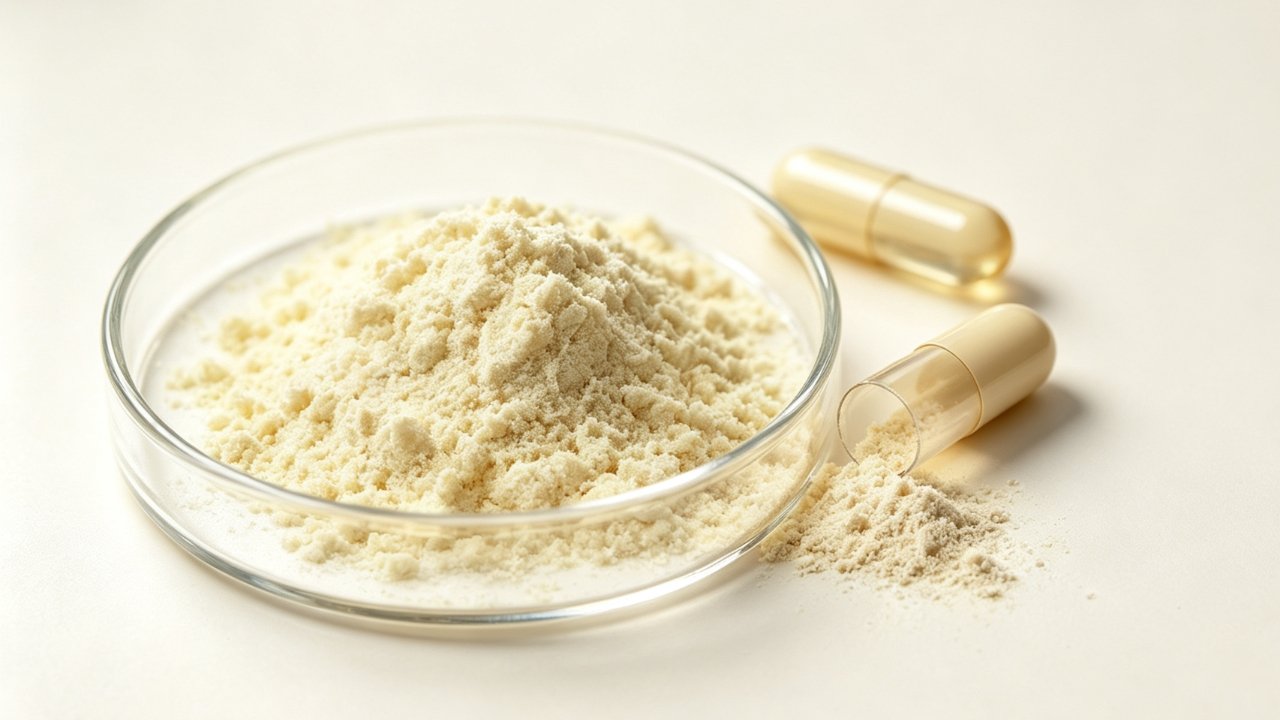
MCC is a white, odorless fine powder. Due to its unique physical structure, it has excellent flowability and compressibility.
Its outstanding safety records and physical properties allow it to become an essential excipient that is widely applied worldwide. Hundreds of millions of global consumers encounter and use MCC in their daily lives.
Why Is Microcrystalline Cellulose Safe?
Natural Source

Microcrystalline Cellulose is derived from natural fibers such as wood pulp and refined cotton. Its essence is the same as dietary fibers we consume from vegetables such as celery and broccoli. We suggest using this information in your promotional events to clear up consumer misconceptions about MCC.
Mechanism
MCC has an exceptionally stable chemical structure. It does not react with active pharmaceutical ingredients (APIs), food matrices, and human biological tissues.
The human digestive system lacks the specific enzymes, such as cellulase, that are required to hydrolyze beta-1,4-glucosidic bonds of cellulose. MCC maintains its structure when going through the digestive system. It will not be broken down and absorbed into the blood.
Global Health Regulations
As a widely used excipient, MCC has received long-term safety endorsements and compliance approvals from top global health and regulatory authorities.
Joint FAO/WHO Expert Committee on Food Additives (JECFA)
JECFA has formally established the conclusion of Acceptable Daily Intake (ADI) “not specified” for microcrystalline cellulose.
This means that, based on the available toxicological and exposure information, MCC has an extremely low toxicity. When the ingredient is manufactured under Good Manufacturing Practice (GMP), it is not required to have a quantitative limit on daily intake.
European Food Safety Authority (EFSA)
In the European Union food additive regulatory framework, MCC has a clear legal identity. It is identified as E460(i), while E460 refers to the broader cellulose additive group.
U.S. Food and Drug Administration (FDA)
After viewing massive scientific toxicological data, safety evaluation reports, and long-term industrial history of use, the U.S. FDA has classified MCC powder as Generally Recognized As Safe (GRAS).
Side Effects of Microcrystalline Cellulose

Although Microcrystalline Cellulose (MCC) has been proven safe for most people by global Health Regulations, in some cases (especially for overdose), side effects listed below can occur. To reduce risks, we highly recommend noting the following information in your final products’ instructions.
Digestive System
Common side effects in the gastrointestinal system include bloating, gas, constipation or diarrhea, and stomach discomfort.
Constipation happens with ingestion without adequate fluid intake. In contrast, excessive or rapid intake of MCC can over-stimulate bowel movements. This can lead to mild diarrhea or loose stools.
Sensitive individuals may experience stomach discomforts such as mild stomach cramps, abdominal pain, and nausea.
Allergic Reactions
Although high-purity MCC is generally well-tolerated and allergic reactions are rarely reported, individuals who are sensitive to plant-derived fibers may experience allergic reactions after MCC intake.
They may occasionally experience skin rashes, itching, redness, or mild respiratory irritation.
(Common plant-derived fibers include cotton, flax, wood pulp, coir, etc.)
Impact on Nutrient Absorption
Taking high dosages of insoluble dietary fibers like MCC may potentially bind to certain minerals or fat-soluble vitamins. This can affect the absorption rate or bioavailability of the nutrients to a slight extent. You can control the dosage of MCC powder in your nutritional supplements.
FAQ
What Are the Typical Dosage Levels of Bulk Microcrystalline Cellulose Powder in Different Applications?
Solid Dosage:
In solid pharmaceuticals and nutritional supplements, MCC is the primary choice as a multi-functioning excipient. Chemical stability allows for fast manufacturing processes. This ensures the tablets and capsules maintain a stable mechanical strength from production to patient consumption.
Liquid and Semi-Solid Integration:
Different from traditional dry applications, the liquid system requires specialized colloidal integration. MCC can prevent the active ingredient from settling by forming a protective hydration barrier. In this way, it ensures dosage uniformity across multi-dose pharmaceutical suspensions and personal care formulations.
Food and Dietary:
In the food and beverage industry, MCC acts as a high-functioning stabilizer and texturizer. It improves the mouthfeel and prevents phase separation without changing the flavour. MCC meets the modern consumer requirements of clean label and plant-derived functional ingredients.
| MCC Quantitative Dosage Ranges and Processing Parameters | |||
| Application Field | Specific Role | Typical Dosage Range | Key Processing and Formulation Parameters |
| Solid Dosage | Diluent / Binder | 20% to 90% | Coarse/medium particle grades (50–100 microns); strict moisture control (≤5.0%); API protection. |
| Solid Dosage | Super-Disintegrant | 5% to 15% | Optimized compaction force; pressure control; porous network preservation. |
| Solid Dosage | Capsule Bulking Agent | 30% to 60% | Uniform bulk density management; stable plug formation; high-speed filling optimization. |
| Liquid Systems | Suspending / Stabilizing Agent | 0.4% to 3.0% | Colloidal grades (Na-CMC co-processed); high-shear dispersion; 3D network hydration. |
| Food and Beverages | Texturizer / Fat Replacer | 0.5% to 5.0% | Thermal processing control; homogenization; anti-phase separation. |
| Dry Powders | Anti-caking / Carrier Agent | 1.0% to 10.0% | Particle size matching; blend homogeneity; anti-stratification. |
Is Microcrystalline Cellulose Safe for Pregnant Women and Kids?

Yes. In most cases, with the recommended intake dosage, it is safe to take supplements that contain MCC for women during pregnancy or for kids.
As strong evidence, in the European Union, MCC is permitted to be applied in products such as infant formulas, nutritional foods and supplements for toddlers, and special medical foods.
We suggest printing this note on your product label or in the instructions: For pregnant women, kids, and special groups with underlying medical conditions, we recommend using this product after consulting a qualified healthcare professional.
How to Check the Safety of Microcrystalline Cellulose Ingredients According to the Certificate of Analysis (COA) Report?
Here we list the key parameters in a COA report that matter for safety:
Physicochemical Purity and Impurity Limit
- Conductivity: ≤75μs/cm
- Residue on ignition: ≤0.10%
- Water-Soluble Substances: ≤0.25%
- Ether-Soluble Substances: ≤0.05%
Moisture and Microbial Control
- Loss on drying: ≤6.0%
- Microbial limits and Pathogens: Absent
What Are the Primary Functional Roles of Microcrystalline Cellulose in Pharmaceutical and Chemical Formulations?
- Mechanistic Distinction
In solid dosages, MCC is a mechanical binder. It also actively absorbs water through the capillary pump effect to achieve disintegration. This is a dynamic feature beyond simply physical support.
- Thixotropic Behavior
In the liquid system, colloidal-grade MCC provides high viscosity. When the ingredients are poured or spread, the viscosity is reduced. These features make MCC powder superior to many synthetic polymer thickeners.
| Microcrystalline Cellulose (MCC) Applications | ||||
| Application System | Key Functional Mechanism | Key Benefits | Applied Industries | Specific Final Products |
| Solid Dosage | Plastic deformation and capillary absorption: Forms hydrogen bonds during compression; porous structure allows rapid water penetration. | Enhances tablet hardness, reduces friability, and significantly shortens disintegration time. | Pharmaceuticals, Nutraceuticals and Dietary Supplements | Prescription tablets, OTC analgesic caplets, herbal capsules, dietary supplement chewables. |
| Liquid and Semi-Solid Systems | Steric hindrance and network formation: Colloidal microcrystals form a 3D fibrous network in water. | Confers non-Newtonian fluid characteristics (thixotropic behavior), ensuring long-term suspension stability. | Pharmaceuticals, Cosmetics and Personal Care, Food and Beverage | Pediatric oral suspensions, antacid liquids, topical cosmetic creams, body lotions, sauces, dairy beverages. |
What Are the Key Considerations of Microcrystalline Cellulose in Practice Applications?
- Particle Size and Grade Selection
Fine powder can promote the mouthfeel of the suspension products. Coarser powder can improve the flowability during tablet compression.
- Moisture Content and Hygroscopicity
MCC naturally contains 3% to 5% water. You should strictly control the moisture to prevent caking or degradation.
- Balance Between Compressibility and Flowability
Fine powder binds well but features low powder flow. When going through the high-speed production line, we recommend using flow enhancers for better flowability.
- Disintegration vs. Binding Dual Role
MCC plays both roles of disintegration and binding. You should avoid excessive tableting pressure to prevent ruining the internal water-absorbing network.
- Rheological Control in Liquid Systems
Liquid systems should select colloidal grades because standard MCC fails in liquid. It is required to use types co-processed with Na-CMC to prevent settling and separation.
| Essential Quality Control and Storage Parameters for MCC Industrial Application | ||
| Parameter | Industrial Specification | Practical Implications for Formulators |
| Loss on Drying (LOD) | ≤6.0% (typically 3.0% – 5.0%) | Strictly controls upper moisture limits to prevent caking during long-term storage and protects moisture-sensitive APIs. |
| Residue on Ignition | ≤0.1% | Reflects high purity with minimal inorganic salt residues, ensuring compliance with top pharmacopeia standards. |
| Heavy Metals | Lead (Pb) ≤2 ppm, Total Heavy Metals ≤10 ppm | Ensures compliance with strict global toxicological safety thresholds for pharmaceutical excipients and food additives. |
| Microbial Limits | Total Aerobic Microbial Count ≤1000 CFU/g, Salmonella / E. coli: Absent | Guarantees biological safety in non-sterile manufacturing processes, preventing batch contamination. |
| Packaging and Sealing | Polyethylene (PE) lined multi-wall paper bags or fiber drums (typically 20kg/25kg) | Prevents ambient moisture penetration. Damaged or humid packaging directly degrades MCC’s physical compressibility. |
How Should Microcrystalline Cellulose Powder Be Stored to Maintain Its Quality?
Microcrystalline Cellulose Powder is hygroscopic and easily absorbs moisture in the air. Therefore, it should be stored in tightly closed containers or moisture-resistant sealed packaging. Each time after using, make sure it is properly sealed to prevent moisture exposure. In this way, the risk of caking and clumping is largely reduced.
MCC powder should be kept away from strong oxidizing agents, strong acids, direct sunlight, and thermal sources.
When MCC powder disperses in the air and reaches a certain concentration, the risk of dust explosion is posed when exposed to high heat or ignition sources. Therefore, the warehouse should strictly prohibit smoking and open flames to prevent the danger.
Final Thoughts

Sunjoy is a professional manufacturer of Microcrystalline Cellulose powder. With our ton-scale annual production capacity, we ensure you a stable and reliable supply for bulk orders in the long term. Our MCC powder is fully compliant with global food and pharmaceutical standards, including FDA GRAS and JECFA. You can request a comprehensive documentation package (such as COA, DMF, TDS, and current certifications).
If you are looking for pure, safe Microcrystalline Cellulose powder for your brand, contact us today and get a free sample for lab testing.