Sleep is important to our mental and physical health, and magnesium glycinate is often considered a suitable ingredient for sleep-support formulations. Is that true? If it is true, how do you use it in your formulations? Keep reading, and this article will offer you a detailed formulator guide.
What Is Magnesium Glycinate?
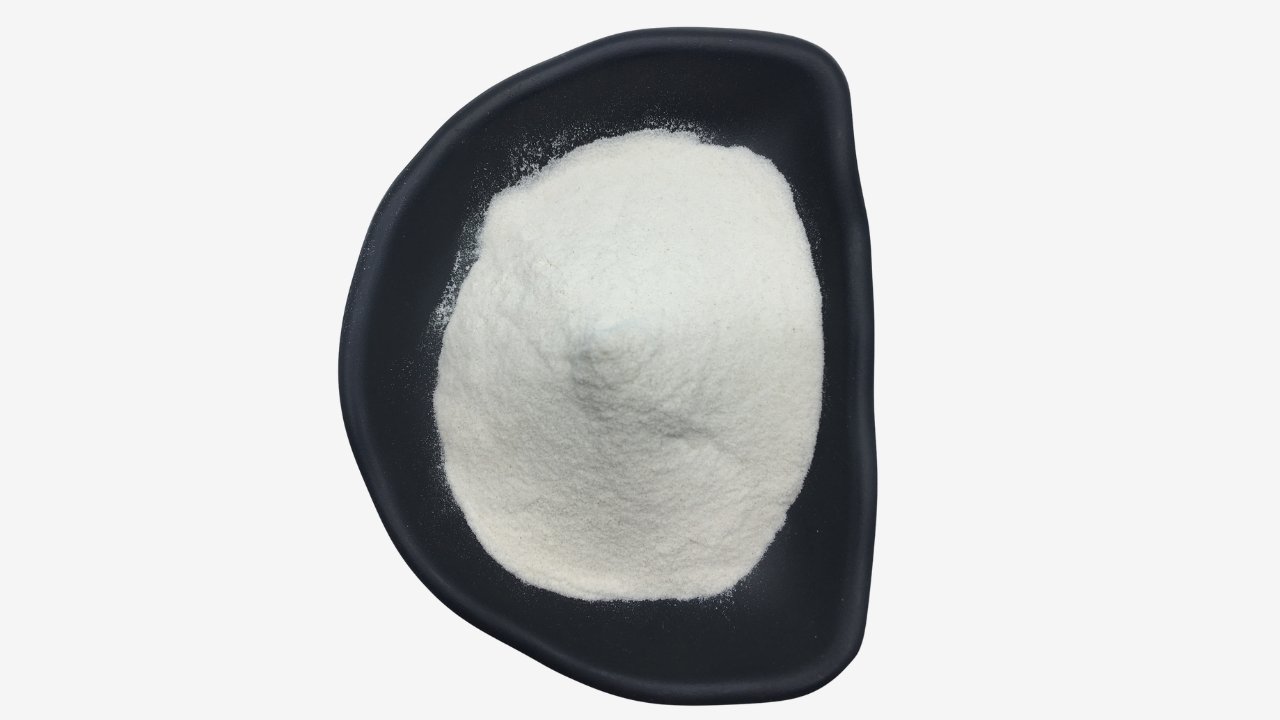
Magnesium glycinate is an organic magnesium compound commonly used in dietary supplements. It is also known as magnesium bisglycinate. It consists of two parts: magnesium and glycine.
Magnesium is an essential mineral for the human body. It is involved in multiple physiological processes, including protein synthesis, neural and muscle function, and blood pressure maintenance. However, people can obtain magnesium only through diet or supplements, because humans can not synthesize it.
Glycine is a non-essential amino acid required in protein synthesis. Involved in signal transmission in the nervous system, it is also an inhibitory neurotransmitter. Some studies show that it may also lower core body temperature, which makes people sleep deeper.
Magnesium glycinate is mild on the gut and has a neutral taste, contributing to its good formulation compatibility and various applications. It is commonly used in magnesium supplements, relaxation products, and sleep-support formulas.
Does Magnesium Glycinate Help People Sleep?
Magnesium glycinate is not a cure for insomnia. Actually, it serves as a sleep-support ingredient in many formulations. Used in many supplements, magnesium glycinate supports a longer, deeper, and restorative sleep in the following ways.
Nervous System Relaxation
NMDA receptor is a major excitatory neurotransmission pathway, and magnesium acts like a stopper to block that pathway, helping regulate excitatory signaling. People are less likely to be anxious or overexcited at night. So they can transition to sleep more quickly.
GABA is an important inhibitory neurotransmitter. It helps to reduce neuronal excitability, contributing to mental relaxation. Sufficient magnesium can support GABA signaling, helping to maintain neural balance.
So, magnesium glycinate does not directly shut down the brain to make people sleep. It helps transition the brain from excitement to a peaceful stage. In this way, people are more likely to feel sleepy.
Melatonin Synthesis
Melatonin is known as the “sleep hormone”. It is like a body clock, telling people when to sleep and modulating circadian rhythm. Magnesium glycinate may participate in enzymatic processes involved in melatonin synthesis, and increased melatonin can reduce alertness and promote sleepiness.
Nighttime Muscle Comfort
Many people wake up at night due to leg discomfort, like muscle tension and nighttime cramps. Muscle contraction and relaxation are regulated by calcium, and calcium is modulated by magnesium in the human body. Magnesium provided by magnesium glycinate helps relax leg muscles and maintain leg comfort. Sleep is less likely to be interrupted.
Why Choose Magnesium Glycinate for Sleep-Support Formulations?
Magnesium glycinate is not the only magnesium ingredient. Other ingredients available, such as magnesium citrate and magnesium oxide, are also available. You may wonder why choose magnesium glycinate in your sleep-support formulations. In the following sections, reasons are listed for your consideration.
Magnesium and Glycine Combination
Magnesium is not the only part that supports sleep. As an amino acid that participates in neural transmission, glycine is also important for sleep quality improvement. Compared with other magnesium ingredients, magnesium glycinate provides more comprehensive formulation support.
Gastrointestinal Tolerability
At a higher dosage, some magnesium salts may be too harsh on the digestive system and cause diarrhea or loose stools. For example, magnesium citrate has a laxative effect. Therefore, it may not be suitable for nighttime sleep-support products, as the digestive discomfort can disrupt sleep.
Commonly, magnesium glycinate is recognized as mild on the gut. So, for daily, long-term, and bedtime intake, magnesium glycinate is less likely to cause sleep interruption.
Ingredient Positioning in Market
Different magnesium ingredients have different product positioning. Magnesium oxide is generally used in magnesium supplements for its high magnesium content and competitive prices. Magnesium citrate is more emphasized for its gastrointestinal applications. Magnesium glycinate is generally used for sleep relaxation and nighttime nutrition.
Considering market acceptance, magnesium glycinate is a more accepted choice.
Formulation Compatibility
Even when evaluated for production processing, magnesium glycinate stands out. You can process it into various product forms, including tablets, capsules, powders, and other forms. Magnesium glycinate also has a clean, neutral taste. That is to say, you need no flavor masking but just season your formulations directly.
Magnesium Glycinate vs Other Magnesium Ingredients
When choosing ingredients for sleep formulations, you may wonder which magnesium ingredient to choose. Here is a chart for reference.
| Comparison | Magnesium Glycinate | Magnesium Citrate | Magnesium Oxide | Magnesium L-Threonate |
| Major Characteristics | Provides magnesium and glycine | Source of magnesium, good solubility | High magnesium content | Mainly used in nootropic and brain-health formulations |
| Sleep Support Capability | Magnesium and glycine provide complementary support for relaxation and sleep | Supports sleep mainly through magnesium | Primarily used to supply magnesium | May support sleep and cognitive health |
| Primary Application | Sleep-support supplements, nighttime formulas, magnesium supplements | Magnesium supplements, comprehensive nutrition supplements | High magnesium tablets or capsules, multimineral supplements | Cognitive supplements |
These magnesium ingredients are suited to different applications. If you are sourcing ingredients for sleep support, magnesium glycinate is a more suitable choice.
How to Formulate Magnesium Glycinate into Sleep-Support Products?
Now you know magnesium glycinate can help people sleep well, and indeed it is a good choice for your formulations. Then you can consider formulation development. Here are some insights for your product design.
Calculate Dosage
To design your products, firstly you need to calculate how much magnesium is required. Magnesium glycinate is a compound consisting of magnesium and glycine. So the raw material weight is neither the magnesium’s weight nor the glycine’s.
Understanding the magnesium glycinate elemental magnesium percentage is important when calculating the required ingredient amount. In fully chelated magnesium glycinate, elemental magnesium is about 14.1%. You use it to calculate how much ingredient is used in your formulations.
In actual processing, the content dosage and weight should also consider the ingredient assay offered by your ingredient supplier. If your formulation has other ingredients containing magnesium, you should also calculate their weight and add them up together.
To design the magnesium glycinate dosage per serving for sleep support, the number of daily doses and the total weight also need your attention.
Combine with Other Ingredients
To offer comprehensive sleep support, sometimes, other ingredients can be combined in your formulations.
| Blend Ingredients | Primary Functions | Combination Benefits |
| Melatonin | Sleep-wake rhythm, sleep onset | Magnesium for melatonin synthesis, melatonin for normal functions of sleep-wake cycle |
| L-Theanine | Relax, reduce tension, transition to sleep state | Magnesium glycinate for nervous system support, L-theanine for relaxation, altogether for calmness before sleep |
| Glycine | Sleep quality, onset, and pre-sleep body temperature regulation | Enhance the glycine support for sleep and relaxation |
| GABA | Nervous system relaxation | GABA as an inhibitory neurotransmitter for relaxation formulations |
| Valerian Root Extract | Relaxation, sleep support | Botanical sleep support, form a comprehensive nighttime formulation |
| Chamomile Extract | Relaxation, comfort before bedtime | Complementary to the relaxation-oriented function of magnesium glycinate |
| Ashwagandha Extract | Stress management, relaxation | Relieves stress for better sleep quality |
Choose the Appropriate Dosage Form
| Target Products | Recommended Dosage Form | Considerations |
| Daily Sleep and Magnesium Supplement | Capsules, tablets | Ideal for daily supplement; magnesium content controllable in each serving |
| Pre-sleep Relaxation | Powders, stick packs | Blended with ingredients such as glycine and L-theanine |
| Nighttime Drink | Powder, drink mix | Combined with sweeteners, flavorings, and sleep-support ingredients |
| Multi-Ingredient Sleep Formula | Capsules, tablets, powders | Suitable for incorporating multiple active ingredients; dosage forms selected based on the total formulation volume |
| Gummy Sleep Supplements | Gummies | Enhance mouthfeel and taste; emphasize the addition level, flavor, and processing stability of magnesium glycinate |
In procurement, your target dosage form requires attention to different ingredient specifications. Here are some suggestions for your evaluation.
Capsules and Tablets
If you plan to process magnesium glycinate into capsules or tablets, during ingredient procurement, you can pay attention to the magnesium content, bulk density, particle size, and flowability. These specifications are important for the product processing.
Magnesium content is especially important. If your ingredient has insufficient content, there may not be enough space in each pill or tablet for magnesium.
Powders and Stick Packs
It is suggested to pay attention to flowability, particle size, dispersibility, and moisture during your procurement. These factors are important for magnesium glycinate, as fine powders with low moisture and good flowability can be mixed evenly and portioned accurately in stick packs without caking during storage.
Instant Beverages
Commonly, mixed instant drinks contain multiple ingredients such as sweeteners, acidulants, flavorings, and other sleep-support ingredients. In addition to magnesium content, you need to evaluate water dispersibility, taste, stability, and compatibility. These help you evaluate the compatibility and stability of magnesium glycinate when used in combined formulations.
Gummies
If you plan to add magnesium glycinate in sleep-support gummies, pay attention to the ingredient amount, mouthfeel, color, processing temperature, and colloidal systems. Commonly, magnesium glycinate gummy formulation cannot contain too much magnesium glycinate. So if you need your products to have a higher magnesium level, consider changing to another dosage form.
FAQ
Is It Suitable to Take Magnesium Glycinate Every Night for Sleep?
Magnesium glycinate is generally safe. Magnesium is also an essential mineral for the human body. So, it is safe and suitable to use it in long-term, regularly used formulations.
However, whether daily usage is suitable depends on the magnesium daily intake and the formulation design. Magnesium obtained from other sources should also be considered. Mild overdosed magnesium may cause digestive reactions. Severe magnesium overdosing may cause hypermagnesemia, in extremely severe cases of which may be life-threatening.
So if magnesium intake is appropriately controlled, you can add magnesium glycinate into daily sleep-support formulations.
How Quickly Does Magnesium Glycinate Work to Help Sleep?
Magnesium glycinate is not like the sleep medicine that can quickly produce a sedative effect. It does not make people immediately sleepy the first time they take it, either. To see its effects, it requires continuous intake for days, and even weeks. So magnesium glycinate is not a fast-acting sleep aid with a clear effect time.
Does Magnesium Glycinate Help You Sleep Better than Melatonin?
These two ingredients are sleep-support ingredients with different mechanisms. They help with sleep from different perspectives. Melatonin sends signals to the brain that it is time for sleep, and magnesium glycinate supports nervous and body relaxation. Therefore, it is difficult to say directly which one is better.
Actually, you can combine them in the same formulation for comprehensive nighttime support.
When to Take Magnesium Glycinate for Sleep?
Magnesium glycinate is used for sleep. It is commonly taken before bed. The specific intake time should be scheduled based on the whole formulation and target applications. 30-60 minutes before bedtime is appropriate for some powder and stick pack nighttime supplements. You can take it as a reference.
What Should You Not Formulate with Magnesium Glycinate?
There are no strictly forbidden ingredients combined with magnesium glycinate. However, when formulating with other ingredients, here are some contents that may need your attention.
If you want to use other magnesium sources, you should carefully calculate the total magnesium amount. If you use ingredients with strong laxative effects, these ingredients may enhance the digestive effects of magnesium and cause diarrhea.
If your formulation contains high content of minerals such as zinc, calcium, or iron, taking them together may affect their absorption and magnesium’s absorption. When formulating, it is recommended to control the dosage and potential mineral interactions.
Why Choose Sunjoy as Your Magnesium Glycinate Supplier in China?
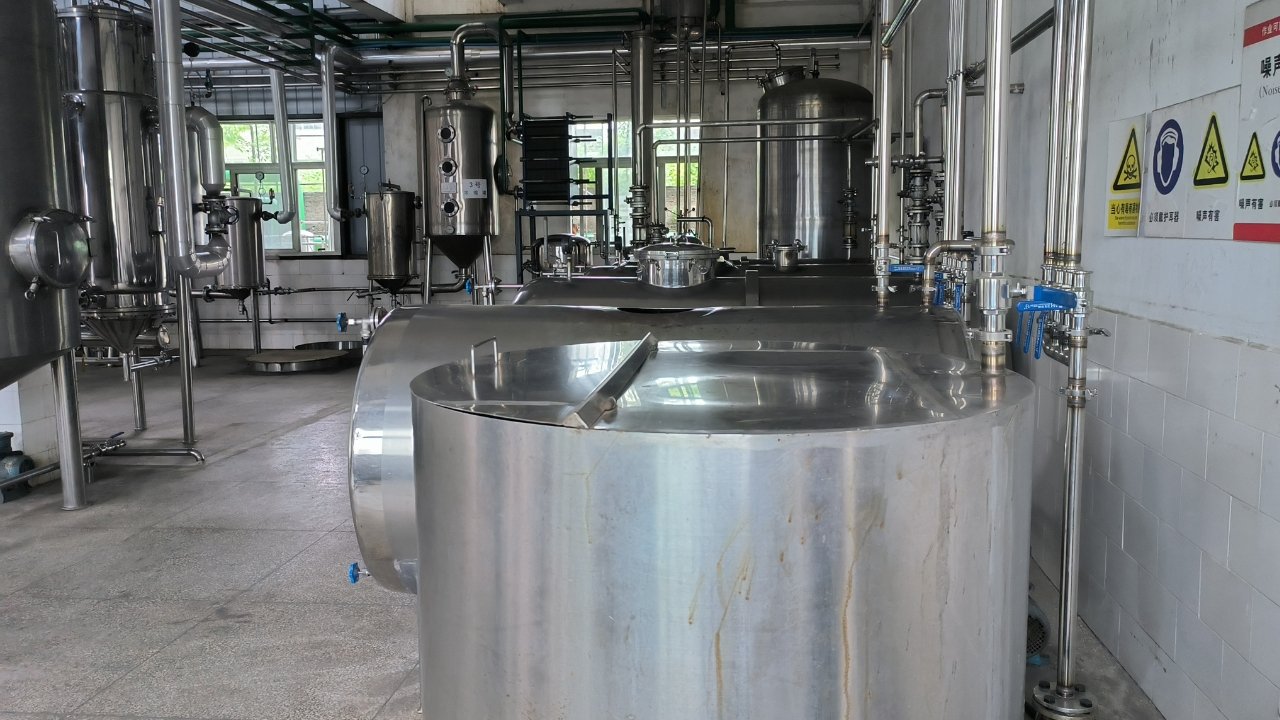
We have multiple magnesium glycinate manufacturing lines that comply with non- GMO, ISO, halal, and kosher standards. Comprehensive documentation support is also available, providing documents such as COAs, certificates of origin, third-party inspections, and MSDS. If you are interested, contact us and get free samples for your formulations!