Lithium Orotate is a trendy ingredient in the healthcare industry. Traditional Lithium powder, such as Lithium Carbonate and Lithium Citrate, is commonly used in prescription drugs. On this page, we discuss the major differences between Lithium Orotate and traditional Lithium.
If you are searching for ingredient comparisons for your healthcare products, just browse this blog and get further information for your final products.
What Is Lithium? (Element)
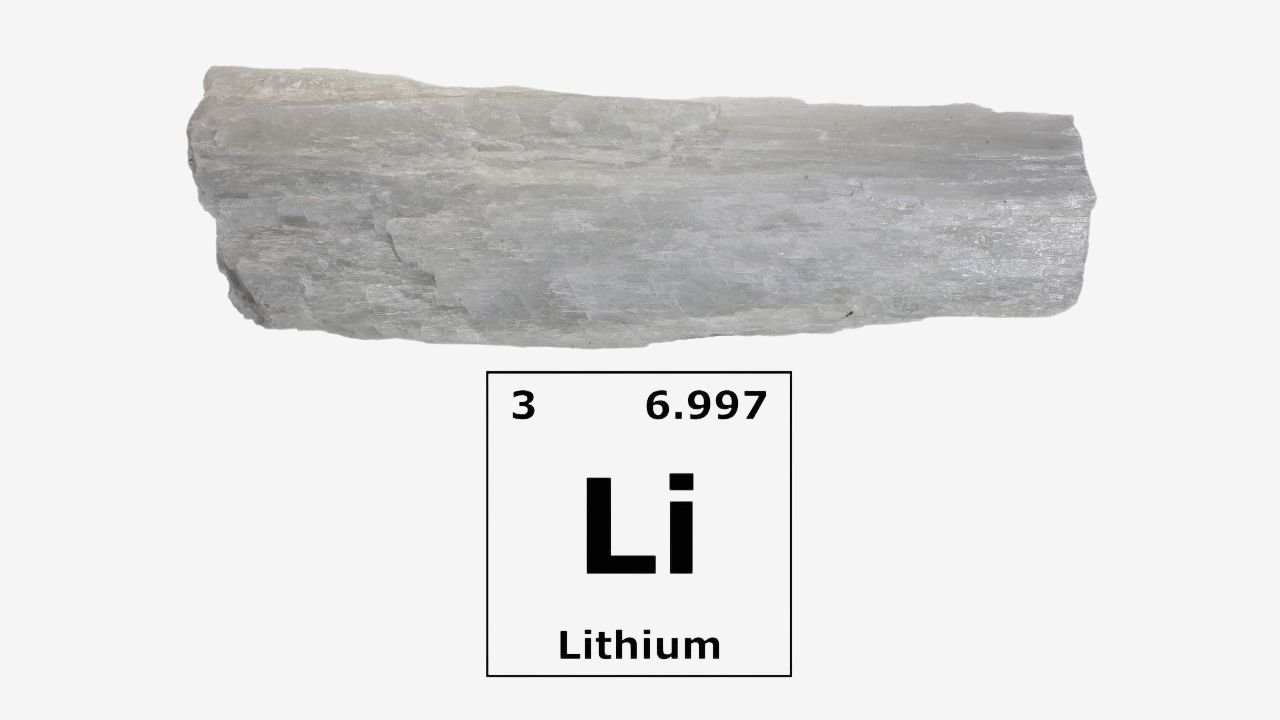
Lithium is an alkali metal element that plays dual roles in both the modern pharmaceutical industry and the healthcare industry.
In the healthcare and nutrition industry, the micro-dose forms of lithium act as a functional health ingredient to support daily mood wellness, neurocognition, and brain health.
In the pharmaceutical industry, high-concentration lithium compounds are applied as prescription medications to regulate neurotransmitters for psychiatric care.
For both strictly regulated clinical pharmaceutical usage and active dietary supplement ingredients, Lithium plays a great role in the regulation of the nervous system.
What Is Lithium Orotate?
Lithium Orotate is formed by a lithium ion with an orotate anion. This chemical structure gives Lithium Orotate excellent lipid solubility and bioavailability. This allows Lithium Orotate to efficiently penetrate across cell membranes.
In practice, it is mainly utilized as a key ingredient in various markets as a dietary supplement, functional food ingredient, or unclassified health product that targets consumers who seek micro-dose, low-dosage daily health management.
What Is Lithium Carbonate?
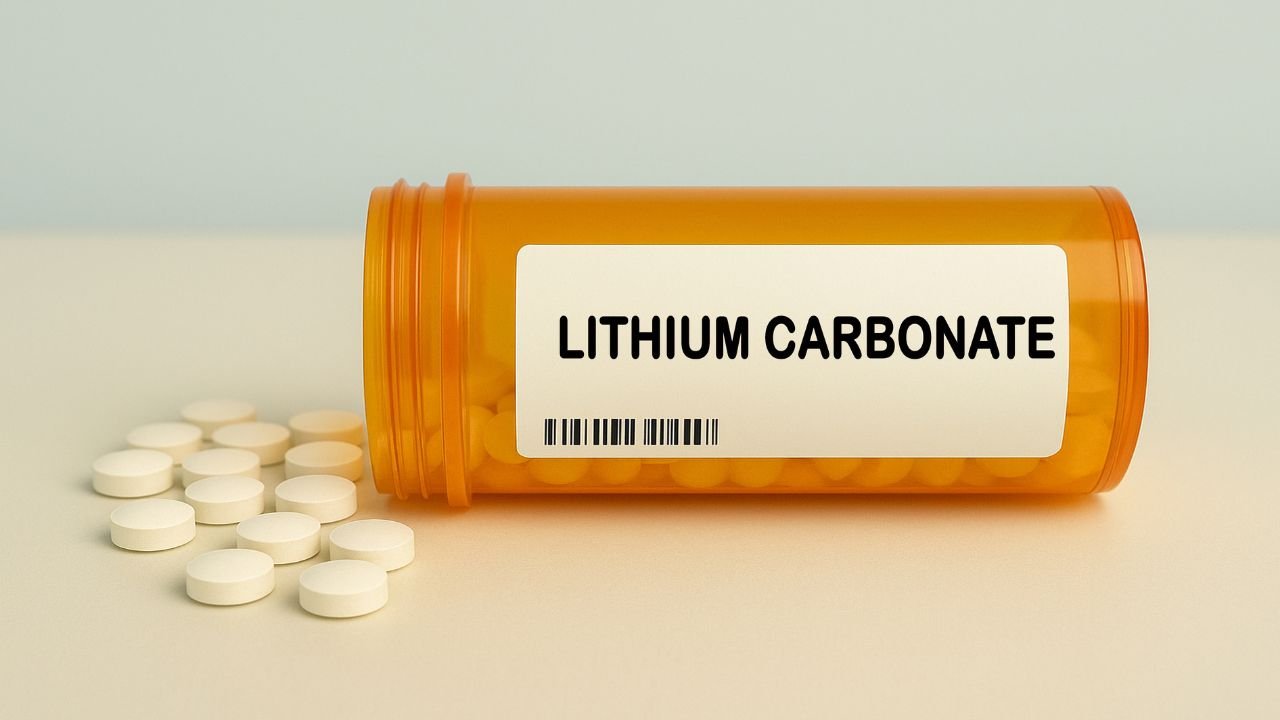
Lithium Carbonate is an inorganic salt. Its chemical formula is Li2CO3. It is composed of two lithium ions and a carbonate ion. Lithium Carbonate is the most fundamental and productive inorganic lithium compound. It is the core active pharmaceutical ingredient (API) that is widely applied in classic psychiatric prescription drugs (Rx-only), such as mood stabilizers.
Lithium Carbonate has a rapid dissolution rate in the human body. This property allows it to be applied in high-dose clinical treatments under strict medical supervision for psychiatric conditions, such as bipolar disorder.
What Is Lithium Citrate?
Lithium Citrate is an organic acid salt. Its chemical formula is Li3C6H5O7. It is bonded by three lithium ions and a trivalent citrate ion.
Different from inorganic Lithium Carbonate, Lithium Citrate contains a multi-carboxyl organic citrate backbone. Due to the excellent water solubility of Lithium Citrate, it is commonly applied in liquid dosage forms of Rx-only drugs, such as liquid oral solution and syrup. This offers medical intervention for patients who have issues with swallowing pills or require a smoother absorption profile.
Lithium Orotate vs. Lithium Carbonate vs. Lithium Citrate: Key Differences
Elemental Lithium Content
Lithium Orotate
The elemental lithium content of Lithium Orotate is approximately 3.83%. The orotic acid is a large organic molecule carrier. This results in a relatively low elemental lithium content in the total compound weight.
Lithium Carbonate
The elemental lithium content of Lithium Carbonate is approximately 18.8%. The carbonate radical has a lighter molecular weight compared to other compound forms. This results in a high elemental lithium proportion in the total compound weight.
Lithium Citrate
The elemental lithium content of Lithium Citrate is approximately 6%. The exact content varies based on the state of crystallization water.
Dosage
The dosage variation is determined by the differences in bioavailability and dissociation profiles.
Lithium Orotate
Lithium Orotate features an exceptional ability to penetrate across cell membranes. It maintains effective concentrations at a low lithium dosage in the target tissue. The element lithium dosage is in the trace milligram range.
Lithium Carbonate
Lithium Carbonate introduces a heavy lithium ion load in the digestive system. It has a very narrow safe therapeutic window. Therapeutic serum levels are strictly between 0.6–1.2 mmol/L.
Due to its narrow therapeutic window, the dosage must be controlled precisely. Even a slight dosing error can lead to cumulative toxicity. Strict monitoring of blood drug concentrations is essential.
Lithium Citrate
Lithium Citrate has fast dissociation and absorption kinetics. It necessitates precise molar equivalent calculations related to Lithium Carbonate. In this way, you can ensure the integrity and consistency in clinical efficacy.
The dosage table below is for quick reference only. For your specific supplement or drug, please contact our technical team for more details and a tailored solution.
| Salt Type | Dosage Range |
| Lithium Orotate | 5–20 mg elemental lithium per serving |
| Lithium Carbonate | Initial 600–900 mg/day (requires blood monitoring) |
| Lithium Citrate | Calculated via molar equivalence (clinically titrated) |
Product Forms
Lithium Orotate
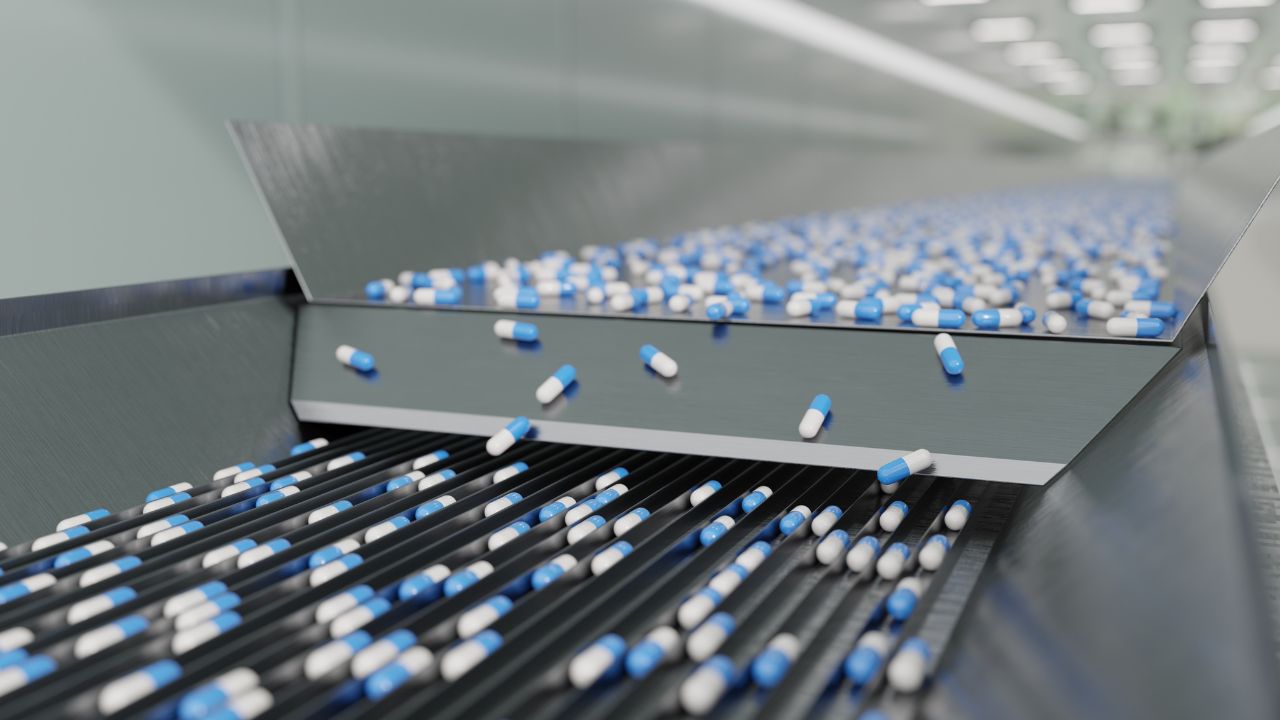
Lithium Orotate is primarily applied in over-the-counter dietary supplements. Common product forms include tablet, capsule, and powder. We recommend using direct compression or mild coating technologies during production to ensure the physical stability of the active ingredient.
Lithium Carbonate
Lithium Carbonate is a raw material for prescription psychiatric drugs. The ordinary dosage forms include tablets and hard capsules. The key consideration is the drug release rate in the body. These dosages require precise excipient ratios to maintain a stable pharmacokinetic release curve in vivo. This is to prevent sharp fluctuations in serum levels.
Lithium Citrate
Lithium Citrate is highly water-soluble. It is mainly used in liquid-based dosages. The common forms include oral syrups, oral solutions, and specialized liquid salt mixtures. We suggest adding suitable flavoring agents and preservatives in oral dosage forms for palatability and long-term chemical stability during storage.
| Salt Type | Core Forms |
| Lithium Orotate | Standard tablets, vegetable capsules, powders |
| Lithium Carbonate | Conventional tablets, extended-release (ER) tablets, capsules |
| Lithium Citrate | Concentrated oral solutions, syrups, liquid salt mixtures |
Consumer Audience
Lithium Orotate
Lithium Orotate is positioned as a raw material for over-the-counter supplement products. The targeted consumer groups are healthy people who pursue daily mood support, cognitive anti-aging functions, and nervous system nutrition.
It is not suitable for medical treatment. Do not mention the treatment of psychiatric conditions in the promotion and marketing events of your Lithium Orotate supplements.
Lithium Carbonate and Lithium Citrate
Lithium Carbonate and Lithium Citrate are both ingredients for strictly regulated prescription pharmaceuticals.
Drugs that contain Lithium Carbonate or Lithium Citrate are for patients who suffer from bipolar disorder, major depressive episodes, or psychiatric disorders. Patients must be clinically diagnosed and take them under the continuous supervision of their psychiatrists.
| Salt Type | Target Audience |
| Lithium Orotate | Healthy adults seeking everyday wellness and mild mood support |
| Lithium Carbonate | Patients diagnosed with bipolar disorder or psychiatric conditions |
| Lithium Citrate | Clinical patients needing liquid forms due to dysphagia or administration needs |
Benefits
Lithium Orotate
Lithium Orotate is for daily health and nutrition support. Due to its superior efficiency in crossing cell membranes supported by its molecular structure, the elemental lithium can assist in maintaining a healthy nervous system.
Lithium Orotate helps with slight daily mood balance, cognitive functions, and the microenvironment health of the brain. It is not used in any treatments of diseases.
Lithium Carbonate
As a core psychiatric pharmaceutical, Lithium Carbonate is used in clinical treatments including managing acute manic episodes of bipolar disorder, preventing recurrence, and reducing suicide risks in psychiatric populations. It is a standard choice of modern psychopharmacology.
Lithium Citrate
Lithium Citrate shares the identical clinical indications and efficacy with Lithium Carbonate.
Its unique advantage is high adaptability to liquid dosage forms. It offers an option for patients who have trouble swallowing tablets and facilitates smooth, precise, and flexible titration.
Side Effects
Lithium Orotate
Lithium Orotate supplements are often reported as well tolerated under recommended intake levels, though individual sensitivities can vary.
Overuse may lead to mild discomfort in the stomach and gut. While formulated for low-dose use, individual responses vary, and long-term accumulation risks should be carefully evaluated.
Lithium Carbonate
Due to the narrow therapeutic window, side effects are systemic and well-documented.
Common side effects include trembling hands, polyuria, weight gain, hypothyroidism, and long-term renal impacts. An overdose can lead to acute lithium toxicity.
Lithium Citrate
Lithium Citrate has highly identical side effects to Lithium Carbonate. Due to the lipid dosage form, some patients have a higher risk of experiencing initial digestive tract irritation.
Medical Interactions
Lithium Orotate
As a raw material of low-dose over-the-counter supplements, the recommended intake rarely causes severe pharmaceutical clashes.
But it should be avoided when used along with prescription lithium or potassium-sparing diuretics to prevent unexpected load increases.
Lithium Carbonate
Lithium Carbonate has highly complex interaction risks against multiple medicines.
NSAIDs, ACE inhibitors, and thiazide diuretics can significantly reduce the renal clearance of lithium. This leads to dangerous toxicity spikes.
Combining Lithium Carbonate with certain neuroleptic agents also increases neurotoxicity risks.
Lithium Citrate
Lithium Citrate has the same medical interactions as Lithium Carbonate due to the identical active moiety. All combination therapy must be taken under strict medical supervision.
| Salt Type | Core Benefits | Side Effects Profile | Medical Interactions |
| Lithium Orotate | Everyday nutritional support, mild mood balance, cognitive longevity | Generally mild when used as directed (occasional mild GI upset with overuse; individual responses vary) | Low; avoid concurrent use with prescription lithium or strong diuretics |
| Lithium Carbonate | Acute treatment of bipolar disorder, relapse prevention, suicide risk reduction | Tremors, polyuria, weight gain, hypothyroidism, renal impacts, narrow therapeutic window toxicity risks | Critical and high-risk (severe toxicity spikes with NSAIDs, ACE inhibitors, and thiazide diuretics) |
| Lithium Citrate | Equivalent psychiatric efficacy to lithium carbonate with liquid administration advantages | Identical to lithium carbonate (fluid matrix may alter initial GI kinetics) | Identical to lithium carbonate (strict clinical supervision required) |
FAQ
How Do Solubility and Flowability Affect Production of Different Product Forms?
The superior solubility and powder flowability of Lithium Orotate make the ingredient ideal for direct tablet compression, capsule filling, and liquid forms.
Lithium Carbonate requires a complex extended-release process to control the release rate in the human body.
Lithium Citrate is widely applied in liquid dosages such as liquid oral solutions and syrups due to its excellent aqueous solubility.
What Are the Primary Differences in Regulatory Compliance Between Lithium Orotate and Traditional Prescription Lithium?
Lithium Orotate is often marketed as an over-the-counter dietary supplement or functional food ingredient, depending on regional regulations. It is only applied for daily health maintenance and nutritional support. It is strictly forbidden for any claim of medical or psychiatric treatment.
Lithium Carbonate and Lithium Citrate are classified as prescription psychiatric medications. They are subject to stringent pharmaceutical GMP standards, prescription-only distribution, and mandatory clinical supervision.
What Quality Control Standards and Heavy Metal Testing Protocols Should be Compliant for Lithium Raw Materials?
Qualified Lithium Orotate powder suppliers should offer comprehensive documentation to ensure their product is compliant with US FDA regulatory standards, EU compliance requirements, and California Proposition 65 limits. They should provide strict heavy metal testing protocols and Certificates of Analysis (COA) along with every batch of their powder.
Sunjoy offers all the documentation mentioned above. You are welcome to contact us for the files.
What Are the Standard Industrial Packaging and Storage Requirements for Bulk Lithium Raw Materials?
Lithium Orotate powder should be tightly sealed and packed in light-proof containers or bags.
For long-term storage, it should be kept in cool, dry places and should avoid exposure to direct light and thermal sources. Seal the package each time after using it. Place it away from heat sources and keep it under 25 °C. Under proper storage conditions, the shelf life is over 24 months.
Sunjoy seals Lithium powder in food-grade PE bags and packs with aluminium foil bags or cardboard drums according to the quantity.
Final Thoughts
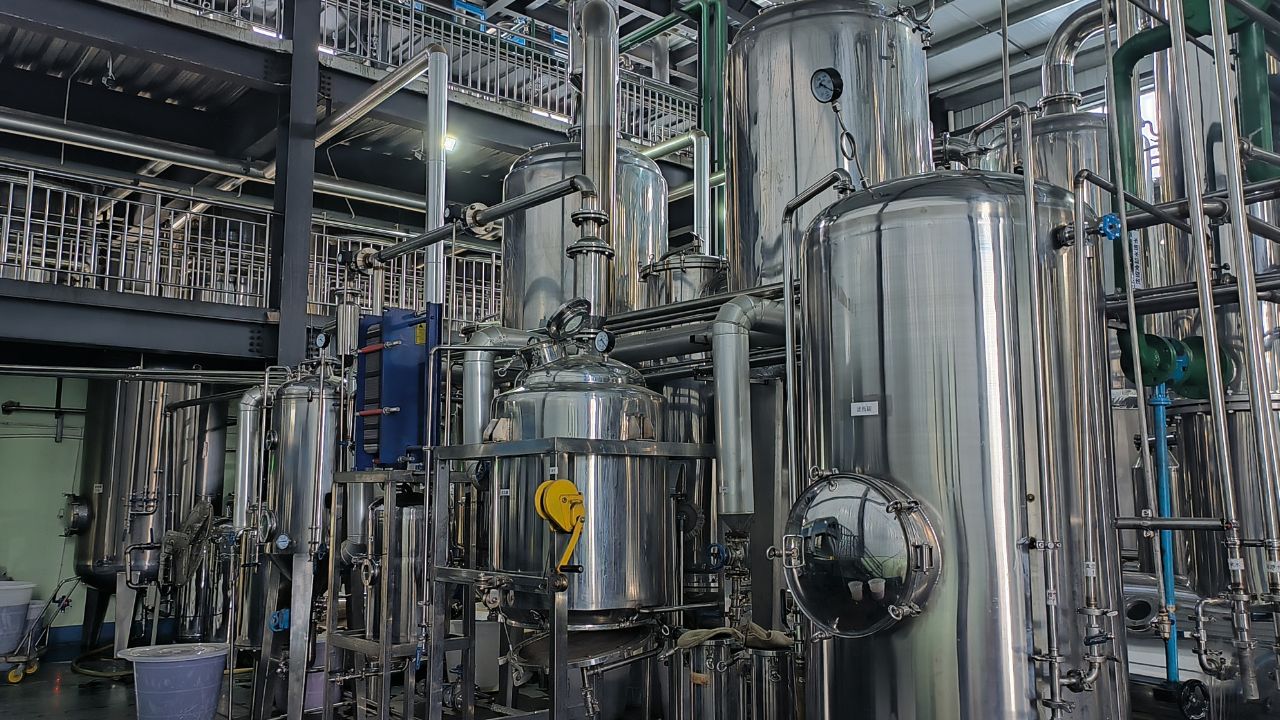
Looking for high-stability Lithium Orotate powder for your healthcare brands? Sunjoy is a direct factory that manufactures high-purity Lithium Orotate powder with competitive pricing. We provide tiered pricing for bulk orders over 100 kg, and offer 10 to 20 g free samples for your lab testing.
Contact us today and request free samples, TDS, and COA documentation for your supplements.