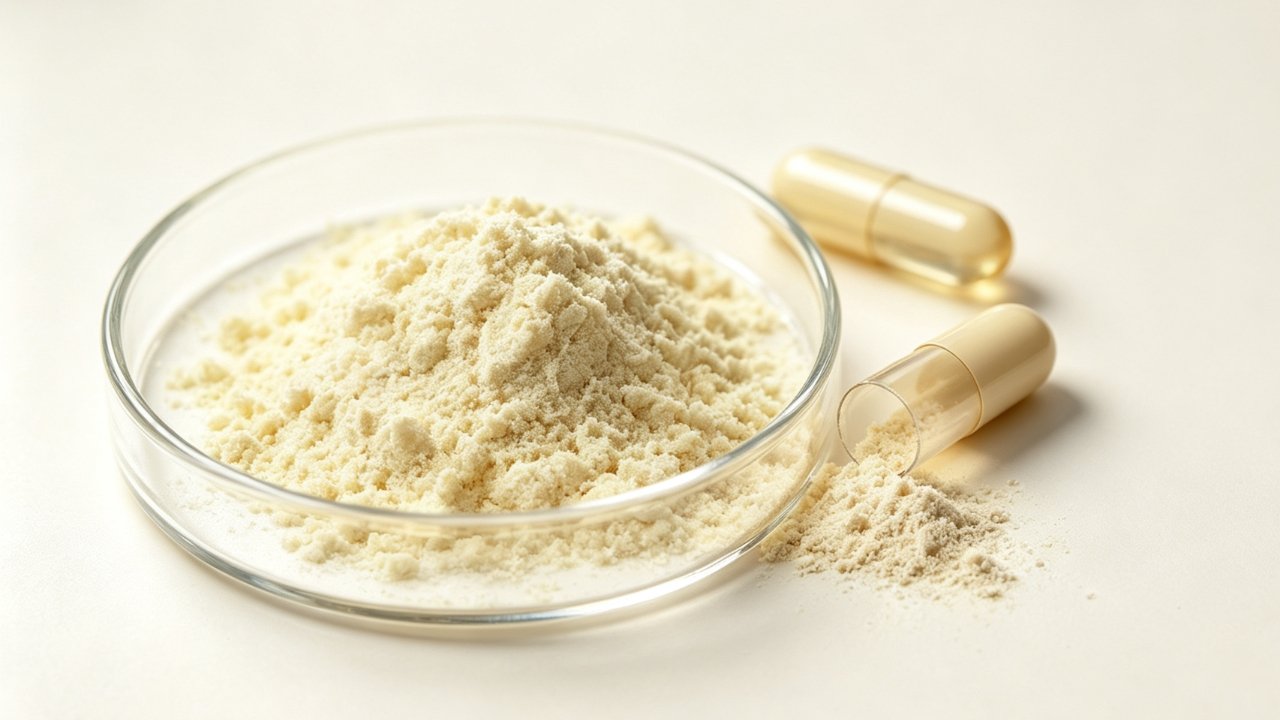
Are you confused when selecting between phosphatidylserine (PS) and phosphatidylcholine (PC) for your final products? Do you need comprehensive guidance on the benefits of phosphatidylserine and PC? Browse this blog and get a clear grasp of these two popular ingredients.
A Quick Introduction: What Is Phosphatidylserine? What is Phosphatidylcholine?
Phosphatidylserine (PS) and phosphatidylcholine (PC) are both glycerophospholipids. They have a similar glycerol backbone and fatty acid chains. They are also core and fundamental ingredients in constructing the structure of cellular membranes.
In the markets of healthcare products and the food industry, it is essential to select a suitable phospholipid for your product to build market positioning because PS and PC play quite different physiological roles in the human body.
Phosphatidylserine (PS)
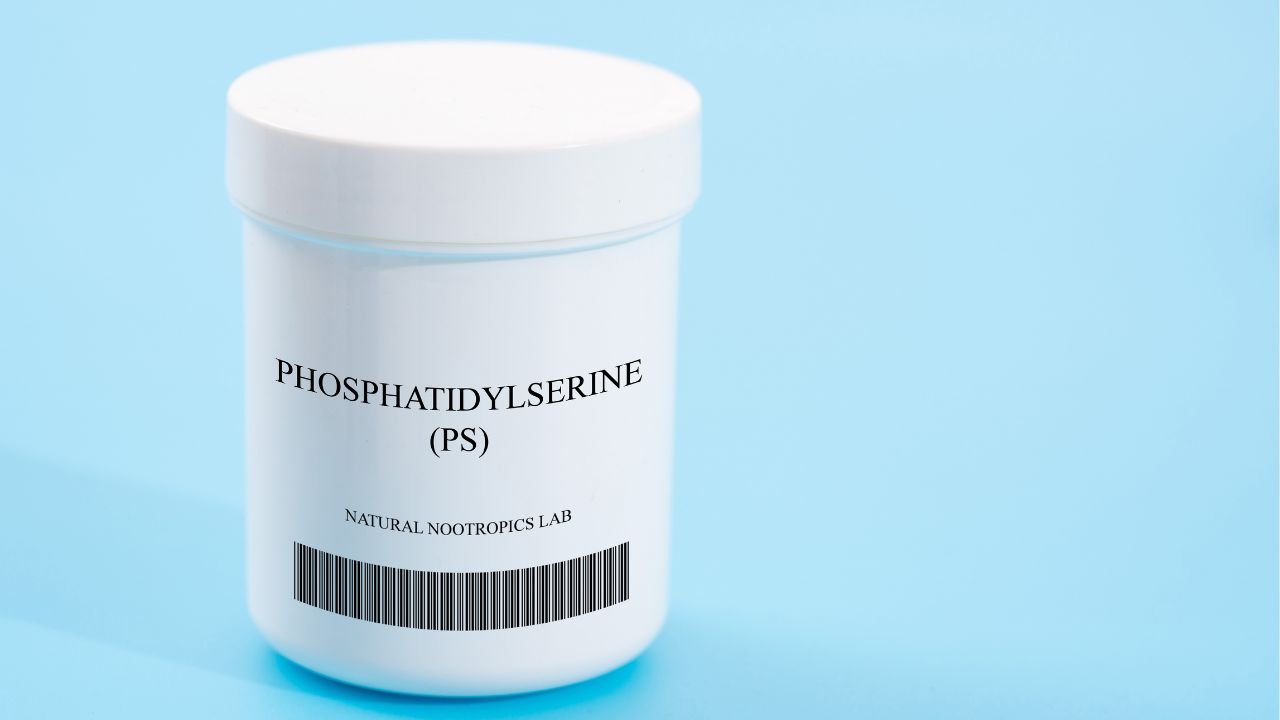
Phosphatidylserine (PS) is an important type of phospholipid that is highly concentrated in brain tissue and neuronal cell membranes.
As a phospholipid that is related to cognitive functions and stress management, PS supports cognitive functions, helps improve memory and mental focus, and regulates multiple stress hormones such as cortisol. It participates in the process of high demands in mental performance.
Phosphatidylcholine (PC)
Phosphatidylcholine (PC) is the most abundant phospholipid in the human cell membranes and systemic circulation. It is often derived from soy lecithin powder or sunflower sources. As a basic ingredient for metabolic health and cellular recovery, PC is essential for structural integrity, liver detoxification, lipid transport, and energy metabolism in the whole body.
Differences in Mechanism (Combined with Applications)
Molecules and Components
Although PC and PS are both glycerophospholipids sharing a similar glycerol backbone and dual fatty acid chains, their hydrophilic groups are completely different. The hydrophilic groups are completely different. This difference in components determines their distinctive physical and chemical properties.
Phosphatidylserine (PS)
PS has a negatively charged serine head group, which maintains anionic characteristics at physiological pH. This feature enhances its specific calcium-binding affinity and protein-binding capacity. It also contains rich polyunsaturated fatty acids and can greatly improve the fluidity of cell membranes.
Application:
These properties at the Molecular level establish the core position of PS in premium nootropic products and stress-relief formulations. It can directly support the transportation of neural synaptic signals and brain cognitive functions.
Phosphatidylcholine (PC)
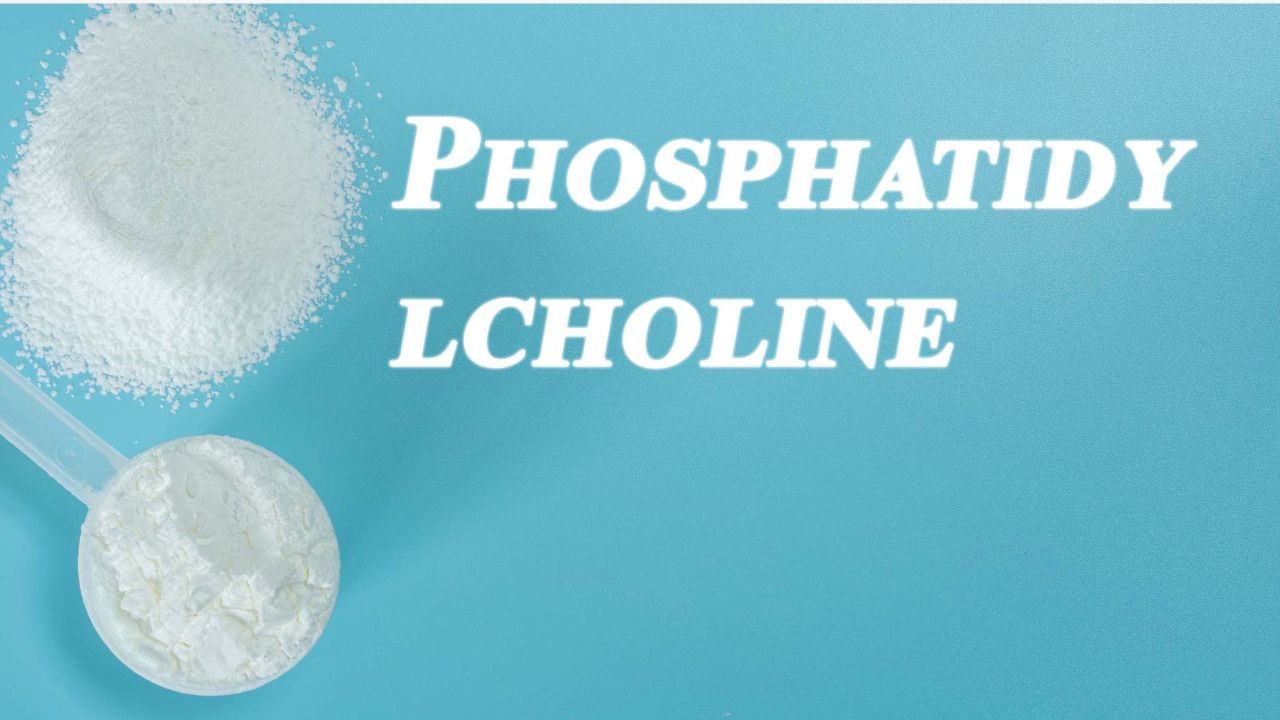
PC has a positively charged choline head group (trimethylethanolamine ) that has zwitterionic characteristics. These features give PC excellent emulsification capacity. Meanwhile, the fatty acid chains of PC have saturated and monounsaturated fatty acids and are ideal for constructing a stable cell membrane structure.
Application:
These features make PC perform well in liposomal encapsulation and hepatoprotective formulations. It can significantly improve the stability and targeted transport efficiency of active ingredients.
Physical Properties and Intra-Membrane Localization
At the microscopic level of cell membranes, PC and PS show perfect physical complementarity and spatial division of labor.
Membrane Layer Distribution
PC is mainly distributed in the outer layer of cell membranes. It builds up the outer defense of the cells. While PS is highly concentrated on the inner side of cell membranes and is ready to respond to changes in the internal microenvironment.
Application:
This natural asymmetrical distribution means that when formulating products for cell membrane health, using a single component (PS or PC) can only target one side of the membrane. Therefore, it takes scientifically complex formulations to achieve comprehensive physiological regulation.
Molecular Size and Packing
PC has a relatively large molecular weight of approximately 733.06 g/mol. Its structure tends to form rigid bilayers.
PS has a smaller molecular weight compared to PC. Its compact head group makes it pack tightly in the membrane microdomains. In this way, PS forms highly active signal microdomains.
Application:
During industrial production and the development and engineering of dosage forms such as soft capsules, the physical sizes and ratios of both are required to be precisely controlled. Otherwise, the conflicts of inter-molecular packing can affect the stability of the final product during its shelf life.
Functions to the Human Body
Phosphatidylserine Benefits: Cognitive Function and Stress Support
As a key component of cell membranes, PS facilitates functions in the nervous system and supports the functions of neural synapses and daily cognitive performance. It also helps the human body handle daily stress, regulate cortisol levels, and determine the optimal phosphatidylserine dosage in product design.
Phosphatidylcholine Benefits: Cell Membrane and Liver Health
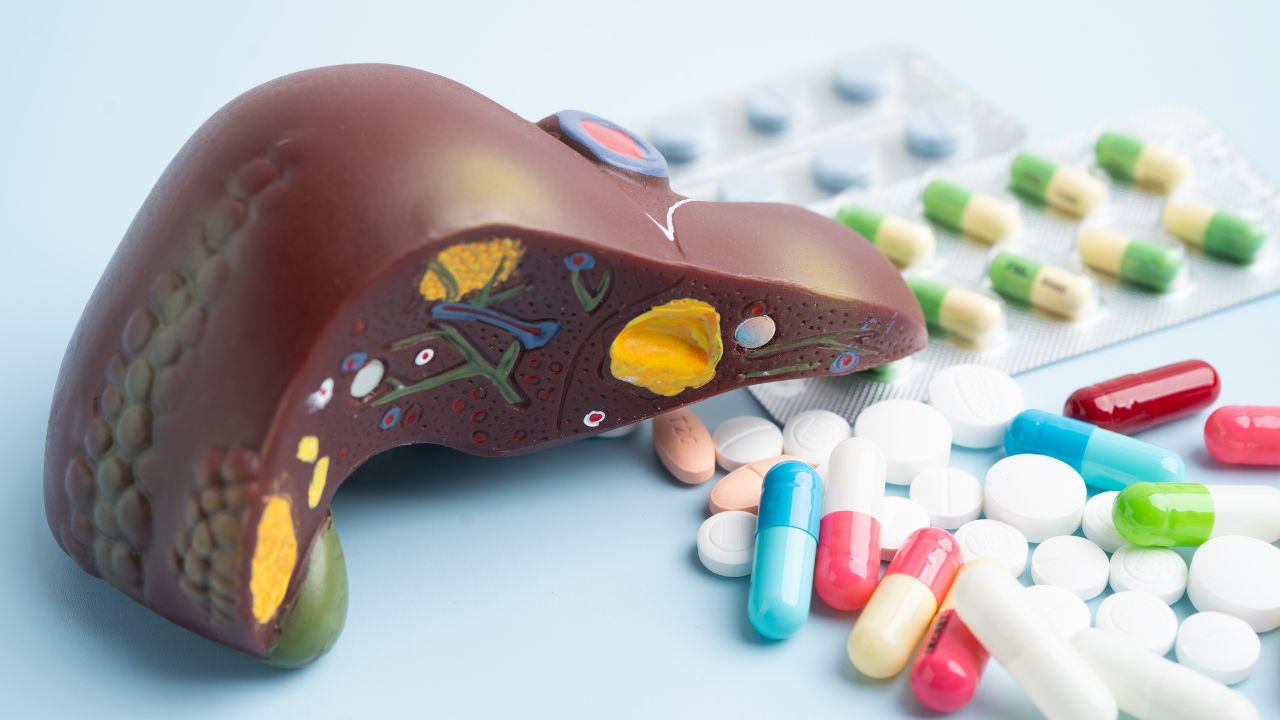
PC participates in the maintenance of the structural integrity of cell membranes. It supports lipid transport and helps with lipoprotein assembly within the liver. Its choline component also provides methyl groups in biochemical metabolism and supports normal fat metabolism.
How to Choose Between PS and PC in Specific Applications?
Cognitive Enhancement and Stress Management
| Target Consumers | Students, career professionals, and senior populations who are experiencing memory function decline and have trouble with mental focus. |
| Raw Material Selection | Phosphatidylserine (PS) |
| Formulation Strategy | We suggest focusing on brain energy support and cortisol level regulation when engineering your formulations. |
Systemic Cellular Repair, Liver Protection, and Metabolic Detoxification
| Target Consumers | People who are exposed to toxic environments, frequently take alcohol, and have chronic fatigue and slow metabolism. |
| Raw Material Selection | Phosphatidylcholine (PC) |
| Formulation Strategy | We recommend focusing on liver function support, lipid transport, and metabolic vitality when developing your products. |
Mind-Body Synergy and Comprehensive Recovery
| Target Consumers | People who are experiencing both mental fatigue and physical exhaustion (especially for adults). |
| Raw Material Selection | Combine PS and PC as a golden combo |
| Formulation Strategy | We suggest applying PS and PC as a duo in your single product to meet the market demands of multiple health goals. You can highlight the complex formulation as a distinctive advantage in your product promotion events. |
Technical Specifications and Application Matching of PS and PC Powder
Active Assay Specifications
The purity of the active ingredient determines the functional phospholipid concentration per unit weight.
High purity allows optimizing the sizes of final products to a compact scale and targeted potency.
Low purity grade complexes offer a cost-effective raw material option for mass-market formulations.
Application Suitability and Formulation Optimization
A successful formulation should consider if the physical properties of raw ingredients (such as flowability, solubility, and stability) match the target dosage form and production method.
The table below is a quick reference for PC and PS parameters and matched dosage forms. For further details, feel free to contact us.
| Procurement Guide: PS and PC Specifications by Dosage Form | ||||
| Specification Type | Recommended Assay | Primary Applications | Recommended Dosage Forms | Key Processing Factors |
| PS Complex (PAS) | 20% – 30% | Daily Supplements, Mass Market | Hard Capsules, Tablets | High cost-performance, flowability monitoring required |
| Pure PS Powder | 50% – 70% | Premium Cognitive Health, Custom Formulations | Hard Capsules, Veggie Capsules | Microencapsulation technology, anti-clumping |
| Standard PC | 30% – 50% | Basic Metabolism, Daily Dietary Support | Softgels, Tablets | Stability control |
| High-Purity PC | 90% and above | Advanced Liver Repair, Antioxidant Formulations | Softgels (Liquid Form) | Bubble control, sealing stability |
| Soluble PS/PC | Custom Processed | Powdered Drinks, Functional Beverages | Powder Drink Mixes, Nutritional Bars | Water solubility and dispersion, anti-oil film prevention |
We provide technical data sheets (TDS) for each specification listed above. You are welcome to contact us for the documents.
Can’t Decide Between PS and PC? Try Making Them a Combo
PS and PC are a golden combo for your premium product line. The human body requires both of these ingredients. PC is ideal for fundamental metabolism and cellular protection; PS is optimal for brain energy boosting and stress relief. By combining them, you offer your consumers a comprehensive solution for both mental and physical fatigue.
In the commercial aspect, a single product that covers multiple functions can attract two major consumer groups. People who seek focused attention and experience body fatigue are highly overlapped. The complex formulation targets a wide audience, ranging from students to professionals.
With a single SKU, you can save on development time spent, simplify the supply chain, and create a distinctive marketing point for your brand to make your supplements stand out in the market.
FAQ
Do You Offer Both Soy-Derived (IP Non-GMO) and 100% Sunflower-Derived Options for PS and PC?
Yes. We provide both Identity Preserved (IP) Non-GMO soy-derived and 100% sunflower-derived options for you. You can select based on your requirements, such as clean-label and regional preferences.
Do Heavy Metals (ICP-MS) and Residual Solvents (Hexane/Ethanol) Strictly Meet USP/Ep Pharmacopeia Standards?
Yes, every batch of our products undergoes strict heavy metal inspections and residual impurity testing in both our own factory and by third parties via ICP-MS. We ensure that PC and PS powders are fully compliant with USP and EP pharmacopeial standards.
What Are Your Standard Minimum Order Quantities (MOQ) and Pricing Tiers of PS and PC Powder?
The MOQ is 1 kg, and the price tiering starts from 25 kg. We also provide a free sample of 10 to 20 g for your lab testing.
Why Choose Pure Phosphatidylserine (PS) Over Phosphatidylserine Complex (PAS) for Brain Health?
Pure PS of 50 to 70% purity offers a higher active concentration than PAS. Pure PS enables a smaller capsule size and maximum potency for targeted nootropic products.
What Are the Stability and Shelf-Life Profiles of PS and PC Powders Under Standard Storage Conditions?
PS and PC powders should be stored in a cool, dry position away from direct sunlight and thermal sources. Each time after using them, they should be tightly sealed to avoid moisture exposure.
Under the proper storage conditions, the shelf life is over 24 months.
What Documentation Should the Manufacturers Provide for Their Ingredient Powder?
For PS powder and PC powder, professional suppliers should offer a comprehensive package of documentation for regulatory compliance and product transparency. The required documents are listed below:
- Certificate of Analysis (COA)
A certification file contains detailed test results, including purity, assay, impurities, and heavy metal limits (such as Lead, Arsenic, Mercury, Cadmium).
- Safety Data Sheet (SDS/MSDS)
Comprehensive information about operation, storage, and safety.
- Technical Data Sheet (TDS)
An instruction of physical properties, chemical composition, and manufacturing standards.
- Compliance Statements
Documentation that confirms adherence to US FDA regulatory standards, EU Novel Food/compliance requirements, and California Proposition 65 limits.
Final Thoughts
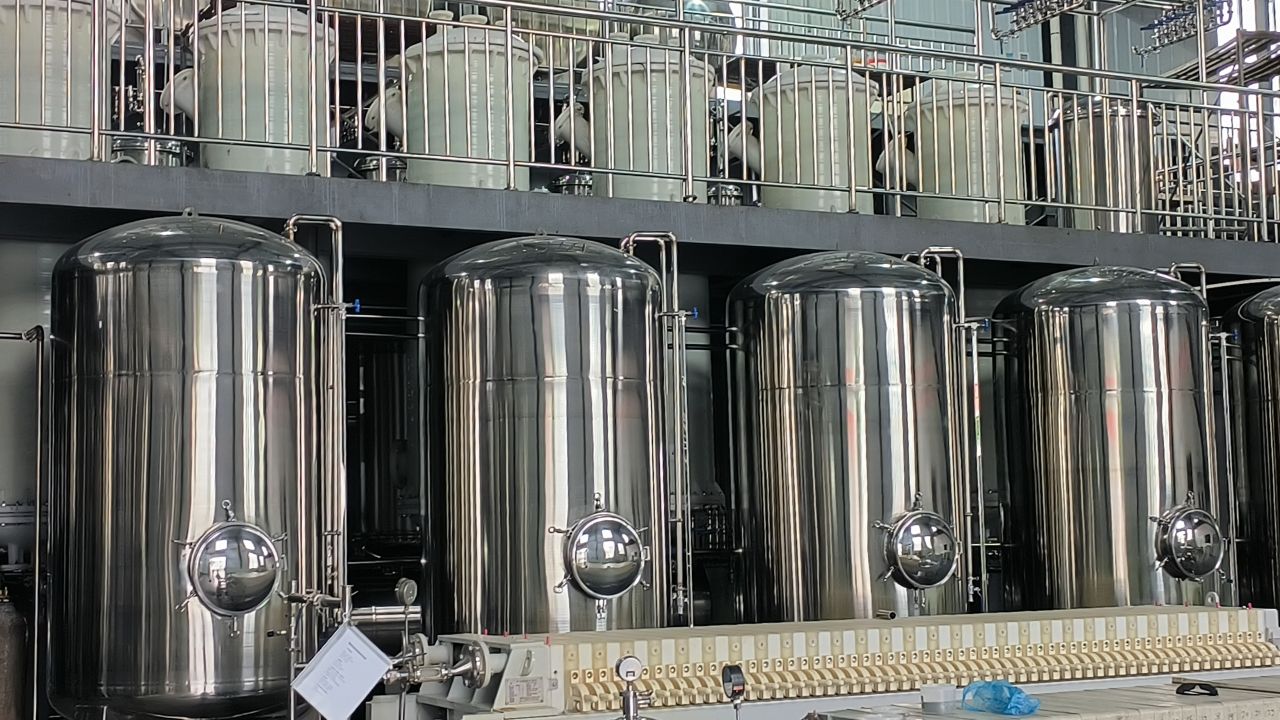
Sunjoy is a professional manufacturer of both Phosphatidylserine and Phosphatidylcholine powder. We have been producing these two ingredients for over 9 years and have tonne-scale annual production capacity.
If you are seeking bulk PS or PC powder for your brand, contact us today and get your free sample and request comprehensive TDS and COA documents.