
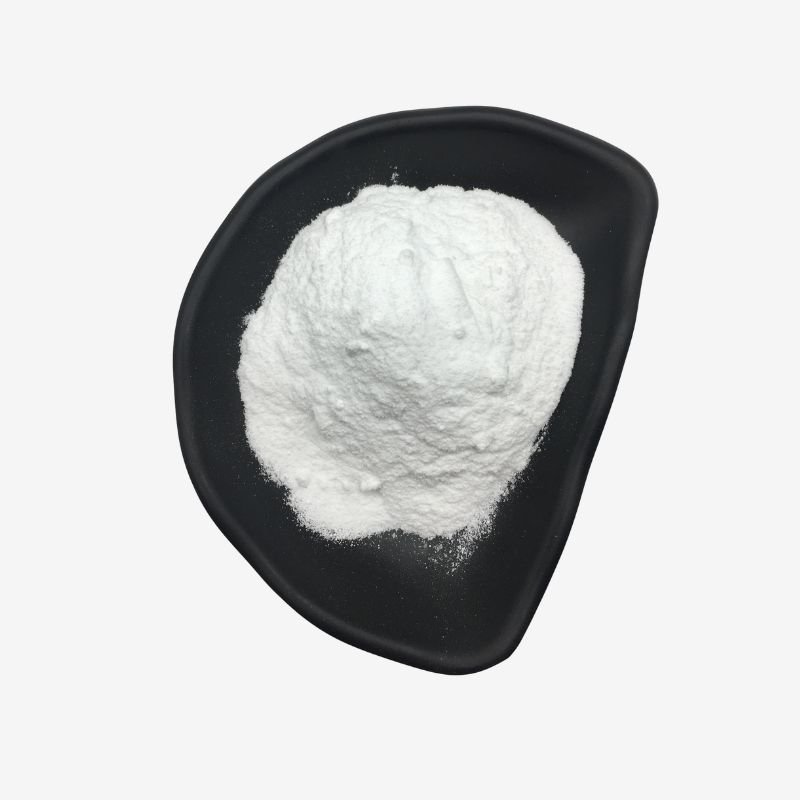
Microcrystalline Cellulose Powder
Pure Microcrystalline Cellulose Powder for Your Healthcare, Skincare and Food Products
- CAS Number: 9004-34-6
- EINECS Number: 232-674-9
- Molecular Weight: 324.28
- Molecular Formula: (C12H20O10)n
- Chemical Name: Microcrystalline Cellulose
- Related Name: MCC, Cellulose, Microcrystalline
- HSN Code: 3912
- Appearance: White or off-white powder
What Is Microcrystalline Cellulose Powder?
Microcrystalline cellulose (MCC) is a purified, partially depolymerized cellulose. It widely exists in the cell walls of plants and is commonly extracted from high-purity wood pulp. It can selectively bind and form bulk formulations while remaining chemically inert and insoluble in water. Many supplement products utilize this feature to optimize formulation stability and boost production efficiency.
MMC powder facilitates in formulations by physical binding and compression. It directly forms intermolecular hydrogen bonds under the compression pressure. In this way, it builds a stable matrix structure. Then the liquid penetrates into the matrix during the digestion procedure and allows the tablet to disintegrate effectively.
Functions of Our Microcrystalline Cellulose Powder
MCC powder can be applied as a highly efficient binder during the production of the tablet compression process. It provides optimal compressibility by plastic deformation and hydrogen bonding. In this way, it ensures the mechanical strength and hardness of the tablets.
You can use its binding function in your pharmaceutical tablets and compressed dietary supplement formulations.
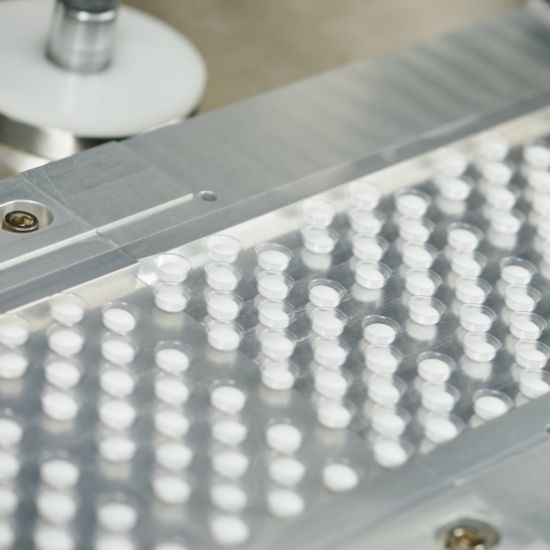
MCC powder can be used as a rapid disintegrant in solid dosage forms. It facilitates disintegration by introducing moisture into the tablets and pills. It causes tablets’ internal swelling and rapid breakup and releases active ingredients.
You can apply it for its disintegrating function and add in your fast-dissolving medications and chewable tablets.
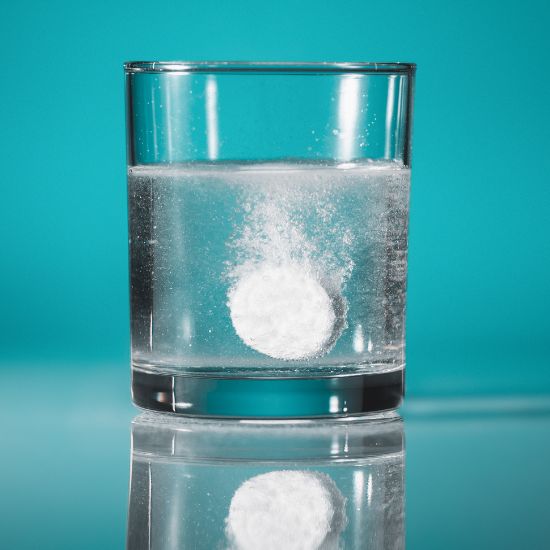
MCC powder forms a 3-dimensional matrix structure in liquid systems to prevent particle sedimentation and oil droplet coalescence. It maintains emulsion stability and uniform emulsion over a long shelf life.
We suggest applying it in your dairy beverages and liquid nutritional supplements for its stabilizing function.
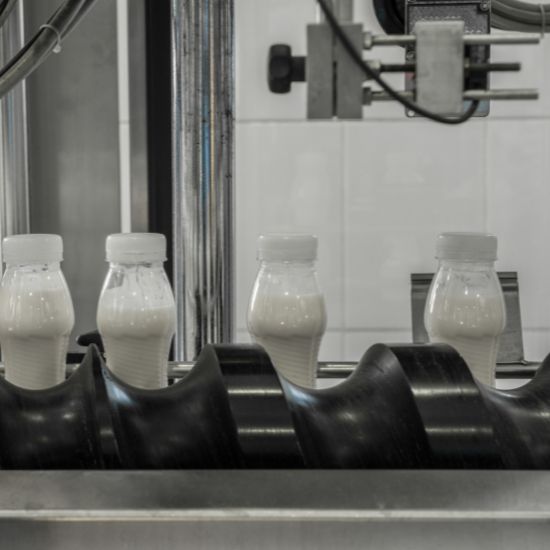
MCC powder can be utilized as an inert bulking agent to adjust the tablet weight and volume to a practical size. The excellent flowability ensures constant die fill and content uniformity during high-speed production.
You can utilize its bulking function in your products such as low-dose active pharmaceutical ingredients and capsule formulations.

More About Our Company
- Professional Microcrystalline Cellulose Powder Supplier
- Features
- Production
- Specification
- Over 10 years of experience in manufacturing Microcrystalline Cellulose Powder
- Served overseas companies across 50 countries
- Fully compliant with global market regulatory requirements
- Free samples of 10g to 20g available
- Flexible MOQ starts from 1kg, extra discount for bulk orders over 100kg
Consistent Batch-to-Batch Stability: Strictly controlled processes and quality standards for uniform polymerization, moisture content, bulk density, and whiteness across batches. Saves you re-validation time and ensures stable quality of your final products in the long term.
Superior Compressibility and Flowability: Excellent compressibility and flowability for direct tablet compression. Significantly reduces the risk of capping and sticking during high-speed tablet manufacturing. Boosts your manufacturing efficiency and cuts the costs of excipient waste.
Customized Solutions: Customized solutions for your different applications are available for your manufacturing processes. Adapts to product forms such as solid dosage forms, suspension thickeners, or cosmetic rheology modifiers.
Cost-Effective Pricing: Direct factory pricing without intermediaries. Combines highly competitive pricing and outstanding quality based on our large-scale production and efficient supply chain management. Fully capable of bulk orders in the long term.
Step 1: Hydrolysis: The raw material wood pulp undergoes a hydrolysis reaction using hydrochloric acid (HCl) under controlled conditions. In this stage, we cleave the amorphous regions in the cellulose molecules by controlling the procedure of acid treatment. Through this process, we maintain the highly crystalline micro-regions and form the primary suspension of microcrystalline cellulose.
Step 2: Washing: The hydrolyzed material is thoroughly washed via a plate and frame filter press to eliminate the residual acids, impurities, and soluble low-molecular-weight substances that remained in the process of hydrolysis, with wastewater discharged to the sewage treatment station.
This process ensures the superior purity and chemical stability of the product to meet the standards of the processes afterwards.
Step 3: Drying and Crushing: The washed wet material undergoes a drying process using air purified through primary, medium, and high-efficiency filters and a mechanical crushing process to become a coarse powder. The processes in this step determine the baseline moisture content and initial particle state of the final powder.
Step 4: Sieving: We transfer the crushed material into the Grade D cleanroom for mechanical mixing, multi-stage precision sieving, and iron removal. The powder passes through screens of specific mesh sizes and magnetic separators to remove over-large, over-small particles, and metallic impurities. In this way, the powder meets the standards of the food additive industry.
Step 5: Packaging: We seal the final powder into food-grade PE bags to prevent exposure to moisture and pack it with aluminium foil bags or cardboard drums according to the quantity. The packaged Microcrystalline Cellulose powder is inspected and sent into the warehouse for shipment.
| Microcrystalline Cellulose Powder Production Process | ||||
| Step | Process Name | Cleanliness Area | Equipment and Supplementary Notes | Quality Control Focus |
| 1 | Acid Hydrolysis | General Production Area | Reaction kettles, temperature control system. Uses wood pulp and hydrochloric acid (HCl). | Crystallinity and degree of polymerization control |
| 2 | Washing | General Production Area | Centrifuges/washing tanks, plate and frame filter press, sewage treatment station. | pH value and purity indicators |
| 3 | Drying and Crushing | General Production Area | Flash dryers/spray dryers, high-efficiency mills. Uses air purified via primary, medium, and high-efficiency filters. | Moisture content and initial particle size |
| 4 | Sieving, Mixing and Iron Removal | Grade D Cleanroom | Vibratory sieves / air-jet sieves, industrial mixers, magnetic iron removers. | Particle size distribution, yield, and absolute metallic impurity removal |
| 5 | Packaging and Finished Product | Grade D Cleanroom | Automatic packaging machines, heat sealers, industrial metal detectors. | Sealing integrity, net weight accuracy, foreign object detection |
| Microcrystalline Cellulose Powder COA | |
| TEST ITEMS | SPECIFICATION |
| Appearance | White or almost white, fine or granular powder. |
| Identification A | IR scan conforms |
| Identification B | The substance takes on a violet-blue color |
| Identification C | The degree of Polymerization ≤350 |
| Granulometry | Remains 60 mesh ≤1%Remains 200 mesh ≤30% |
| Conductivity | ≤75μs/cm |
| PH value | 5.0 – 7.5 |
| Loss on drying | ≤7.0% |
| Residue on ignition | ≤0.10% |
| Water Soluble Substances | ≤0.25% |
| Ether-Soluble Substances | ≤0.05% |
| Bulk Density | 0.30g/mL∼0.45g/mL |
| Microbial limits | |
| TAMC | ≤1000cfu/g |
| TYMC | ≤100cfu/g |
| Escherichia coli | Absent |
| Salmonella species | Absent |
| Staphylococcus aureus | Absent |
| Pseudomonas aeruginosa | Absent |
| Other | |
| MOQs | 1 kg/ Bag |
| Sample | Available (10-20 g/ bag) |
Related Products
 Chitosan Powder
Chitosan powder helps with weight management and the health of the digestive system. Microcrystalline Cellulose powder is an outstanding excipient and binder. It provides excellent flowability and compressibility.
You can utilize both of them in your formulations for comprehensive weight management support and optimal formula stability.
Magnesium Glycinate powder helps the muscles relax and promotes a calm nervous system status. Microcrystalline Cellulose powder acts as a reliable diluent and direct compression agent. It ensures the even distribution of the active ingredient.
You can combine them in your tablets and capsules and highlight the functions of reliable mineral delivery and comprehensive nervous system support.
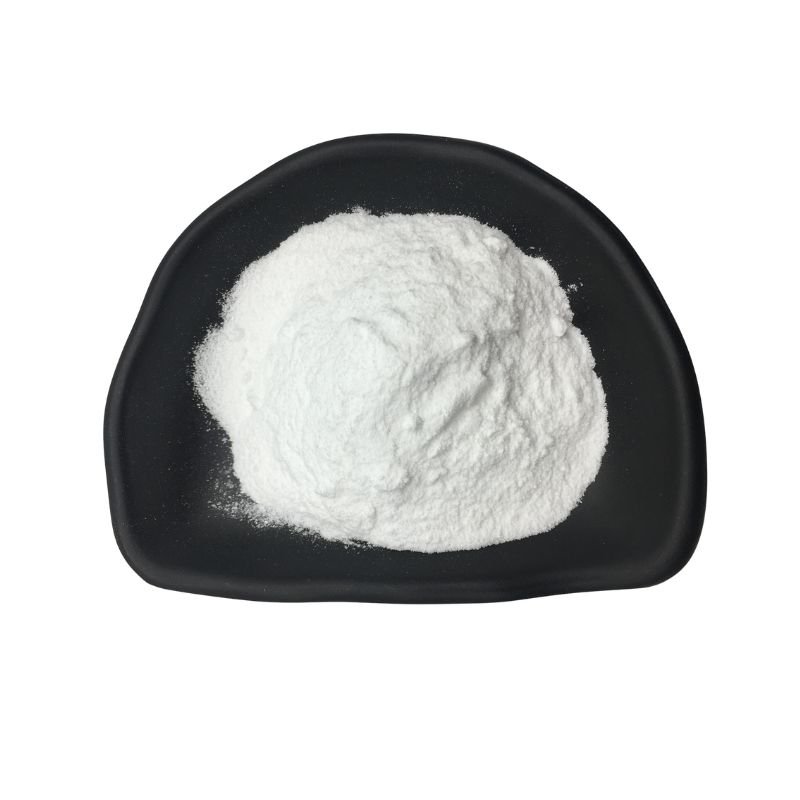
Microcrystalline Cellulose powder is an effective anti-caking agent and bulking agent. It improves the efficiency and performance of powder handling and tableting processes. Branched-Chain Amino Acids (BCAA) powder helps support muscle functions and enhance athletic performance.
We highly suggest applying both of these ingredients in your professional sports nutritional formulas for their functions of optimized athletic performance and optimal powder stability.
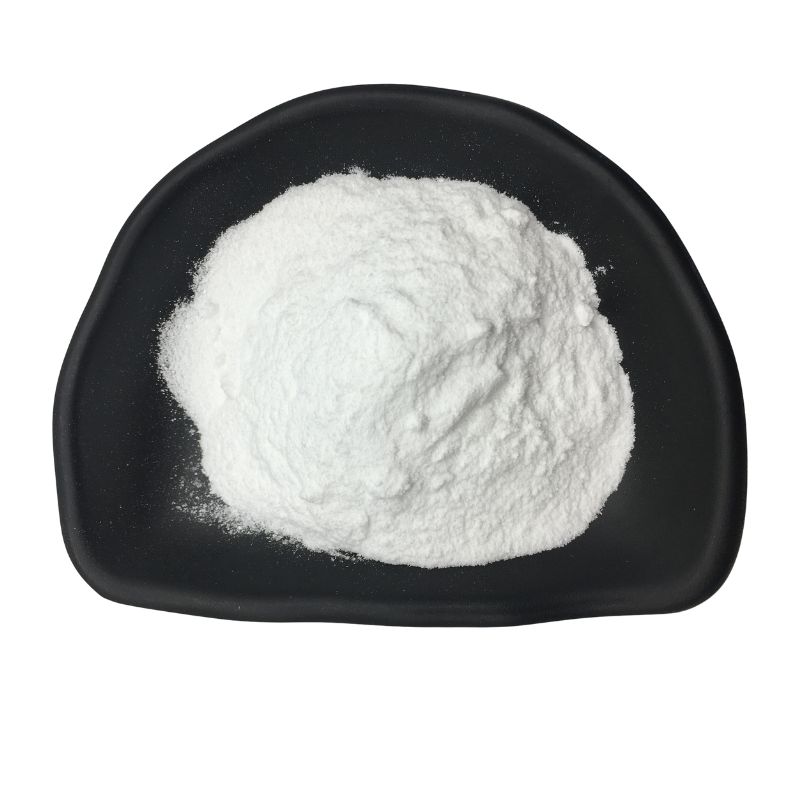
Beta-Nicotinamide Mononucleotide Powder helps promote cellular energy production and antioxidant activity. Microcrystalline Cellulose Powder is a consistent and neutral carrier that protects sensitive and active ingredients from degradation and maintains precise dosage.
You can apply both of them in your premium anti-aging supplements and target people who seek precise cellular energy support and comprehensive anti-aging benefits.
Manufacturing Procedures
MCC is produced by selectively acid-hydrolyzing the alpha-cellulose. The amorphous regions are removed, and the crystalline aggregates are retained. Then the ingredient undergoes a spray-drying process to yield porous particles.
Powdered cellulose is manufactured by pure mechanical milling of purified cellulose such as wood pulp and cotton linters. It does not require an acid hydrolysis process.
Crystallinity and Degree of Polymerization
MCC powder has an ultra-high crystallinity of approximately 75% to 85% and a low degree of polymerization between 150 and 350.
Powdered cellulose has a lower crystallinity of approximately 40% to 55% and a higher degree of polymerization of 800 to 3500 compared to the MCC powder.
Particle Structure and Physical Properties
MCC powder consists of porous aggregated particles. It has exceptional compressibility and excellent flowability.
Powdered cellulose consists of fibrous, needle-like particles. It has poor flowability and moderate compressibility. But it generally has a higher water absorption capacity compared to the MCC powder.
Applications
MCC is widely applied in the pharmaceutical industry as a core excipient, including binder, diluent, and disintegrant. The common product forms are solid oral dosages such as tablets and capsules.
Powdered cellulose is commonly used in the food industry as an anticaking agent, texturizer, and a source of dietary fiber.
| Microcrystalline Cellulose vs Powdered Cellulose | ||
| Comparison Dimension | Microcrystalline Cellulose (MCC) | Powdered Cellulose |
| Manufacturing Process | Selective acid hydrolysis of α-cellulose + spray drying | Mechanical milling of purified cellulose (no acid hydrolysis) |
| Crystallinity and Degree of Polymerization | High crystallinity: 75%–85% | Lower crystallinity: 40%–55% |
| Low degree of polymerization: 150–350 | High degree of polymerization: 800–3,500 | |
| Particle Structure and Physical Properties | Porous particles, good flowability, exceptional compressibility | Fibrous/needle-like, poor flowability, high water absorption capacity |
| Primary Applications | Pharmaceutical industry (binder, diluent, disintegrant for tablets/capsules) | Food and industrial use (dietary fiber, anti-caking agent, texturizer) |
| EU Food Additive E-Number | E460(i) | E460(ii) |
| CAS Number | 9004-34-6 | 9004-34-6 |
No. MCC powder cannot be used as an independent dosage form.
MCC itself does not have any intrinsic pharmacological activity or therapeutic functions. It is strictly categorized as an excipient in the pharmaceutical industry.
Its core functions are to carry, bind, and help release the Active Pharmaceutical Ingredient (API). It is widely used as the filler, diluent, binder, or disintegrant in solid oral formulations.
MCC powder is directly added as the powder form or as a hydration dispersion in food products and cosmetic products. It is applied to build the products’ physical structures, improve the texture, and adjust rheology.
The table below illustrates the technical specifications, typical grades, and performance advantages of MCC across different dosage forms. If you require further information, feel free to contact us.
| Pharmaceutical and Supplement Application Parameter | ||||
| Dosage Form | Primary Function | Typical Grades | Concentration Range | Technical Advantages |
| Tablets | Dry binder, direct compression diluent, disintegrant | Avicel PH-101 / PH-102 | 20% – 90% | High plastic deformation, excellent compressibility, capillary disintegration |
| Hard Capsules | Content filler, diluent | Avicel PH-102 / PH-112 | 10% – 80% | Improved flowability, enhanced blend uniformity, consistent fill weight |
| Pellets and Granules | Extrusion-spheronization aid, matrix former | Specialized pellet grades / RC-591 | 5% – 50% | Hydration lubrication, high sphericity, release kinetics control |
| Suspensions and Creams | Suspending agent, thickener, emulsion stabilizer | Avicel CL-611 / RC-591 | 1% – 3% | Thixotropic gel network, particle sedimentation prevention, phase separation inhibition |
The MCC powder is widely used in the cosmetics industry and the food industry to optimize the product texture, stabilize systems, and adjust rheology.
The table below showcases the core product forms and dosage reference in practical applications. If you have any questions, please contact our service team for detailed information and tailored solutions.
| Food and Cosmetic Application Forms | ||||
| Industry | Application Form | Typical Dosage / Concentration | Typical Product Applications | Core Functions |
| Food Industry | Powder, colloidal dispersion, emulsion | 0.5% – 5.0% | Ice cream, salad dressings, meal replacement powders, bakery goods | Emulsion stabilization, thickening/suspension, fat replacement, anti-caking |
| Cosmetic Industry | Cream, lotion, powder cake, aqueous system | 0.5% – 10.0% | Facial creams, lotions, color cosmetics, toothpastes | Rheology modification, thickening/stabilization, skin-feel improvement, oil control/matte effect |
Contact Us
Sunjoy manufactures Microcrystalline Cellulose powder that is fully compliant with the global market requirements. If you are seeking bulk Microcrystalline Cellulose powder for your brands, contact us and get the full package of verification documentation and a free sample today.