
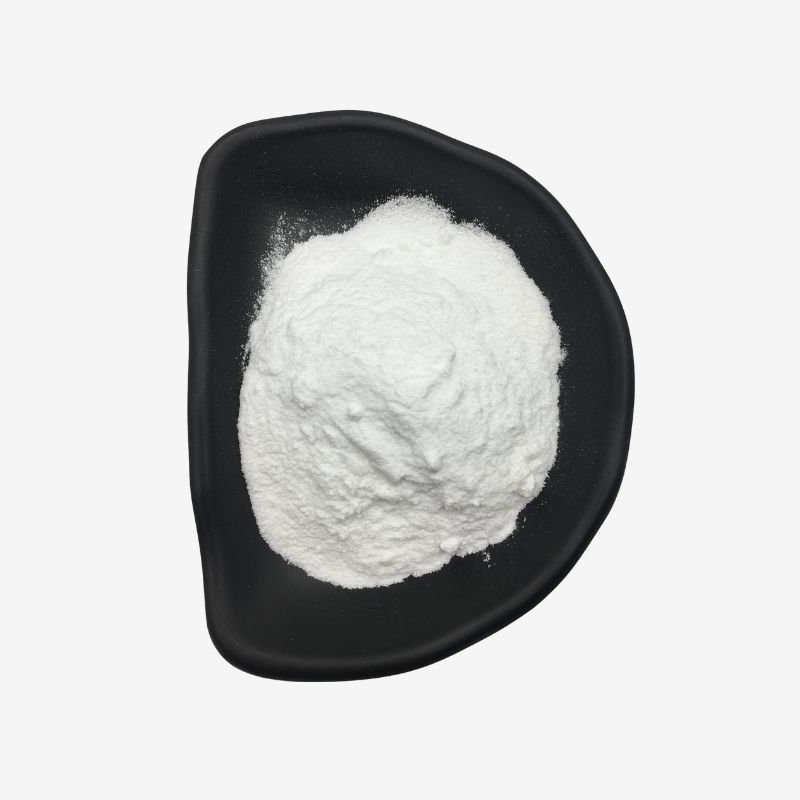
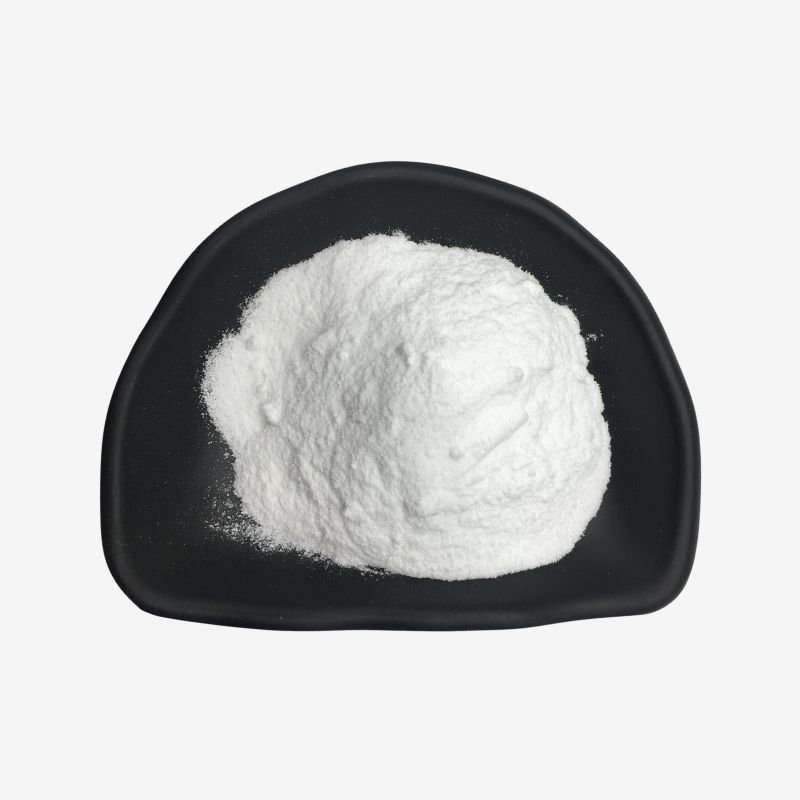
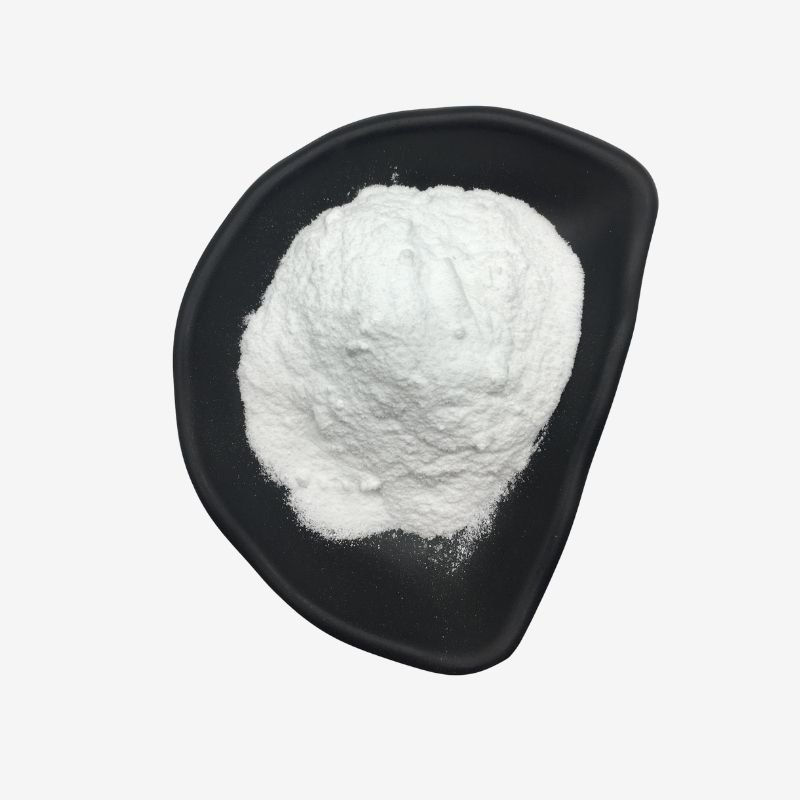
Sodium Hyaluronate Powder for Sale
Pure Sodium Hyaluronate Powder for Your Food and Cosmetics Business
- CAS Number: 9004-61-9
- Molecular Weight: 403.31
- Molecular Formula: C14H22NNaO11
- EINECS: 618-620-0
- Related Name: Hyaluronic acid sodium, HA sodium, hyaluronic acid sodium salt, soluble hyaluronic acid powder, sodium hyaluronate acid powder (commonly used by buyers)
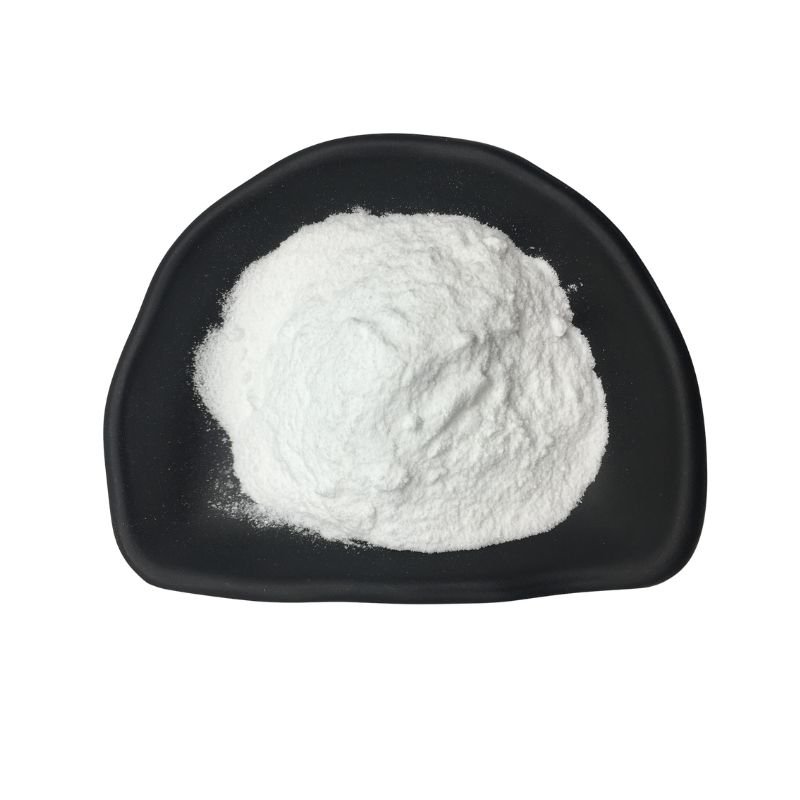
- Appearance: White or almost white powder
What Is Sodium Hyaluronate Powder?
Sodium Hyaluronate powder is a natural mucopolysaccharide. It is a fine, water-soluble substance derived from hyaluronic acid that widely exists in the human and animal bodies. It has strong abilities in water retention and regulation of tissue rheology. Many industries use it to control the moisture content and physical viscoelasticity of products.
Sodium Hyaluronate blocks water by forming a three-dimensional network structure. Its macromolecular chains contain a high density of carboxyl and hydroxyl groups. In this way, it bonds with water about up to a thousand times its weight and forms a stable viscoelastic gel in solution. The gel structure maintains moisture and lubrication of tissues.
Applications of Our Sodium Hyaluronate Powder
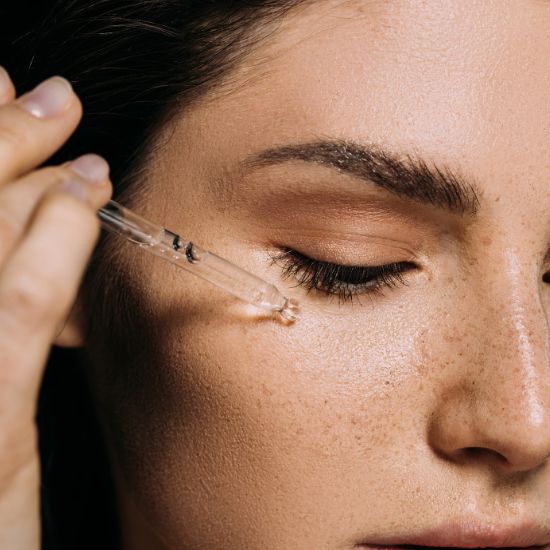
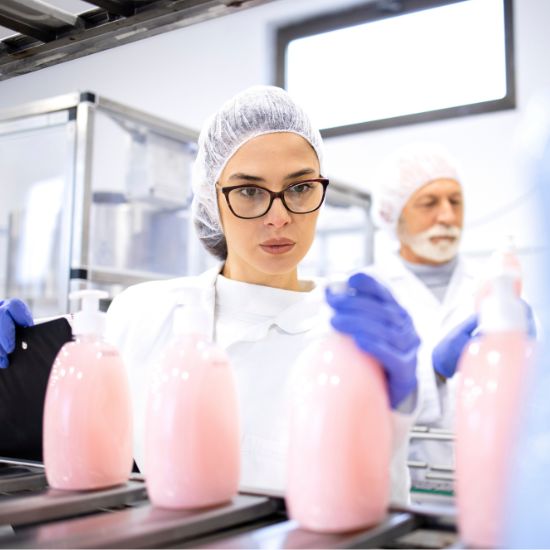
Sunjoy sodium hyaluronate powder is widely applied in face creams, lotions, serums, mask products, and other forms of skincare products. Its excellent water-binding capacity helps improve the skin hydration and makes your consumers’ skin more supple and smoother.
Sodium hyaluronate is also utilized in anti-aging skincare products. It helps maintain the skin’s moisture, appearance of elasticity, and reduces the look of dryness-related fine lines.
You can apply Sunjoy hyaluronic acid sodium in your shampoos, conditioners, hair masks, and scalp care products. It can improve the moisture retention effect and overall hair condition.
Sunjoy manufactures food-grade sodium hyaluronate powder for functional beverages and supplements. It is especially suitable for products aiming at beauty-from-within and wellness.
You can also apply hyaluronic acid sodium to various forms, including gummies, tablets, capsules, and powder blends. It is also a good choice to combine it with collagen, vitamin C, and other beauty-related nutrients.
Sunjoy produces pharmaceutical-grade sodium hyaluronate powder for lubricating eye drops. Its exceptional moisture retention capacity and viscoelastic properties can help alleviate dry eye discomfort.
More About Our Company
- Professional Sodium Hyaluronate Powder Supplier
- Features
- Manufacturing
- Specification
- Deep industrial understanding and experience in producing sodium hyaluronate powder since 2017
- Strict microbial control for safety and purity
- Partner with international brands and factories from over 50 countries
- Compliant with CN, US, and EU market requirements
High Active Assay: The core marker of purity, Glucuronic Acid, is over 45% in test results. Food-grade product is up to 45.20%, and cosmetics-grade product is up to 45.78%. The high purity ensures our product has high bioactivity and results in optimal performance in your final products.
Precise Molecular Weight Control: We strictly control the molecular weight within target ranges of 0.83×10⁶ Da, which may be partially metabolized by the gut in vivo. The cosmetic-grade product ranges 1.27×10⁶Da, which is ideal to lock moisture on the skin surface.
This uniformity ensures the consistent solubility and viscosity of different batches. With our ingredient, your product will keep a consistent quality over the years, which is highly essential for brand reputation.
Minimised Protein Residue: Sunjoy minimizes the protein residue to 0.02% to 0.03%, which is much lower than the standard of ≤0.1%. The ultra-low protein level minimizes the risk of irritating the skin and allergic reactions. It also promotes your products’ resistance to microbial risk during their shelf life.
Stringent Microbiological Control: Sunjoy applies strict safety control. According to the test result, pathogens, such as Staphylococcus aureus and Pseudomonas aeruginosa, are all negative. The mold and yeast count for our cosmetics-grade products is controlled below ≤10cfu/g.
Our ingredient powder is compliant with the global market regulations of food and cosmetics products. Your final products will meet the requirements of the international market.
Sunjoy applies the microbial fermentation method to prevent the risk of animal-origin viruses.
Step 1: Strain Preparation and Carbon Source Formulation: Strain Selection
We select safe and non-pathogenic Streptococcus strains, such as Streptococcus zooepidemicus, as the source ingredient.
- Medium Formulation
We make liquid culture medium with carbon sources such as glucose, starch, or lactose and sterilize it thoroughly.
Step 2: Fermentation Cascade Stage: Fermentation is processed in bioreactors step by step.
- Seed Expansion
We initiate inoculation and cell expansion in the ideal conditions for cell growth (37°C, pH 7).
- Main Fermentation Shift
We transfer the bacterial cells into the main fermentation shift and force the carbon source and energy towards the bacterial cells.
Step 3: Scaled Expansion (Optional): Chemostat Continuous Culture
This is a selective process. With this process, the cells are highly productive. It requires continuous feeding and harvesting.
Step 4: Downstream Extraction and Purification: Solid-Liquid Separation
After fermentation, we isolate the crude product and remove residue through centrifugation or a filtration process.
- Refinement and Drying
Our product possesses multiple stages of fine filtration, precipitation, dehydration, and gentle drying within the cleanroom.
The table below is a supplement for the production process above.
| Process Control and Optimization Supplement Table | |||||
| Key Control Variable | Industrial Benchmark | Consequences of Deviation | Optimization and Protection Mechanism (Impact on Yield / MW) | ||
| Carbon Conversion | 5% to 10% (glucose-based) | Initial concentration < 20 g L⁻¹: | Sharp drop in yield | High-concentration sugar supply: | Abundant metabolic precursors |
| Significant decrease in MW | Securing high baseline MW | ||||
| Critical Dissolved Oxygen (DO) | ≥ 5% (Aerobic) | Anaerobic/oxygen-deficient environment: | 9-fold crash in HA synthase expression | Adequate aerobic cultivation: | 50% boost in final yield |
| Concomitant increase in MW | |||||
| Fluid Agitation Intensity | Moderate speed control | Too Low: | Mass transfer stagnation via high viscosity | Optimized agitation and downstream addition of process control agents: | Reduction of oxidative degradation (stress) |
| Too High: | Chain cleavage via shear stress and ROS | Targeted protection of high MW chains | |||
| Viscosity Mass Transfer Bottleneck | 6 to 7 g L⁻¹ (Batch Limit) | Viscosity ceiling reached: | Stalled mass transfer | Implementation of chemostat continuous dilution: | Bypassing viscosity-driven limitations |
| Premature fermentation termination | Multiplied volumetric productivity | ||||
| Food Grade Sodium Hyaluronate (COA) | |
| Test Items | Specifications |
| Molecular Weight | (0.7-1.0) ×10⁶ |
| Hyaluronic Acid | ≥95% |
| Glucuronic Acid | ≥44% |
| pH | 6.0-7.5 |
| Solution Transparency | ≥99.0% |
| Protein | ≤0.1% |
| Kinematic Viscosity | Actual Value |
| Loss on Drying | ≤10.0% |
| Heavy Metal (as Pb) | ≤20ppm |
| Bacteria Count | ≤100cfu/g |
| Mold and Yeast | ≤100cfu/g |
| Staphylococcus aureus | Negative |
| Chlorop seu domonas | Negative |
| Appearance | White or almost white powder |
| MOQs | 25 kg/ drum |
| Sample | Available (10-20 g/ bag) |
Cosmetics Grade
| Cosmetics Grade Sodium Hyaluronate (COA) | |
| Test Items | Specifications |
| Molecular Weight | ≥0.8×10⁶Da |
| Sodium hyaluronate (dry basis) | ≥90% |
| Glucuronic Acid | ≥42% |
| pH(0.1% Solution) | 6.0-7.5 |
| Protein | ≤0.1% |
| Transparency (0.1% Solution) | ≥99% |
| Loss on Drying | ≤10.0% |
| Heavy Metal (as Pb) | ≤20ppm |
| Arsenic | ≤2ppm |
| Bacteria Count | ≤100cfu/g |
| Mold and Yeast | ≤10cfu/g |
| Pseudomonas aeruginosa | Negative |
| Staphylococcus aureus | Negative |
| Appearance | White or almost white powder |
| MOQs | 25 kg/ drum |
| Sample | Available (10-20 g/ bag) |
Pharmaceutical Grade
| Pharmaceutical Grade Sodium Hyaluronate (COA) | |
|---|---|
| Test Items | Specifications |
| Appearance | White powder |
| Molecular Weight | (1.5~2.0) X 10⁶ |
| Appearance of Solution (A600nm) | <0.01% |
| ID-A | Infrared Absorption Spectrophotometry |
| ID-B | Reaction of Sodium |
| pH (0.1% Solution) | 5.0~8.5 |
| Solubility | Soluble in Water, Insoluble in Alcohol, Acetone and Other Organic Solvents |
| Sodium hyaluronate (dry basis) | 96.0%-105.0% |
| Bacterial Endotoxin | ≤0.5 eu/mg |
| Sulphated Glycosaminoglycans | ≤1.0% |
| Nucleic Acids (A260nm) | <0.5 |
| Intrinsic viscosity | (2.36~2.95) m³/kg |
| Protein | ≤0.1% |
| Chlorides | ≤0.5% |
| Iron | <80ppm |
| Heavy Metal | ≤10ppm |
| Loss on Drying | ≤10.0% |
| Microbial Contamination | ≤10cfu/g |
| MOQs | 25 kg/ drum |
| Sample | Available (10-20 g/ bag) |
Related Products
Sodium hyaluronate retains moisture and recovers skin tissues. 3-O-ethyl ascorbic acid can help fade dark spots, resist free radicals, and boost collagen production.
You can apply both of these ingredients to your premium skincare products, aiming at intense hydration, skin brightening, and anti-aging results.
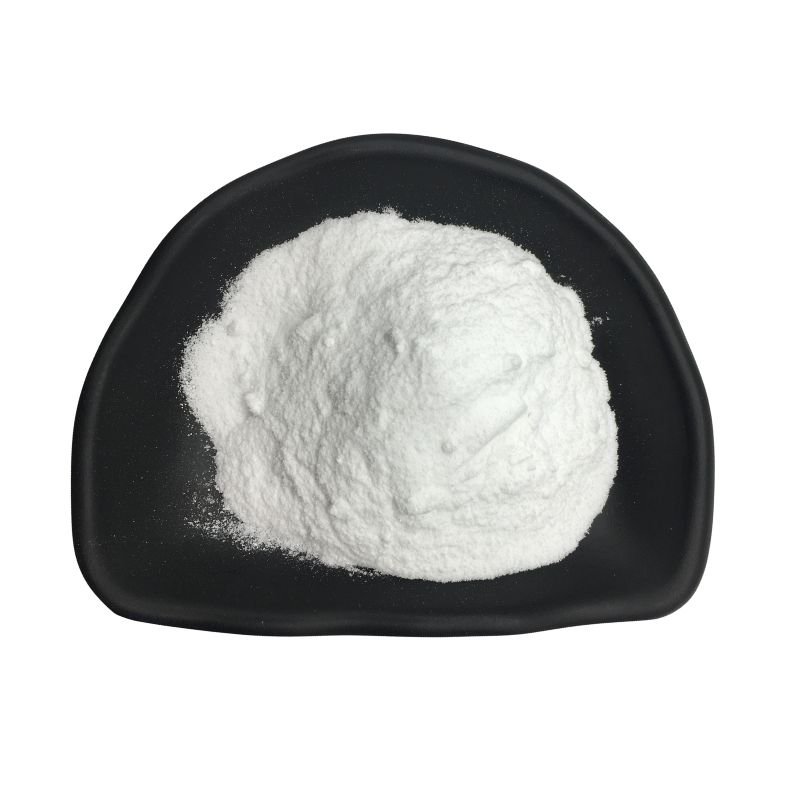
HA sodium moisturizes cells and supports skin structure. L-glutathione reduced is a powerful antioxidant. It can improve skin tone and protect cells from damage.
You can combine them as a golden combo in your premium oral beauty supplements. We suggest highlighting inside-out hydration, full-body whitening, and cell protection in marketing.
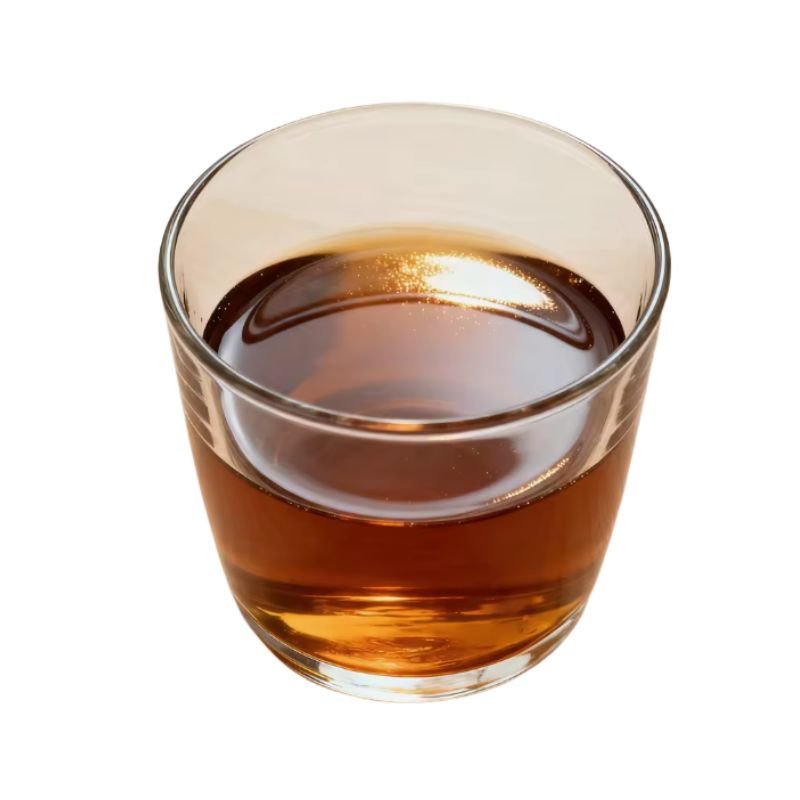
HA sodium provides water-based moisture to plump the skin, while D-alpha tocopheryl acetate protects cell walls and locks in lipids as an oil-soluble antioxidant.
You can combine them in your products, including anti-aging creams, lotions, and soft capsules. This water-and-oil combo is excellent for skin barrier repair and restoring elasticity.
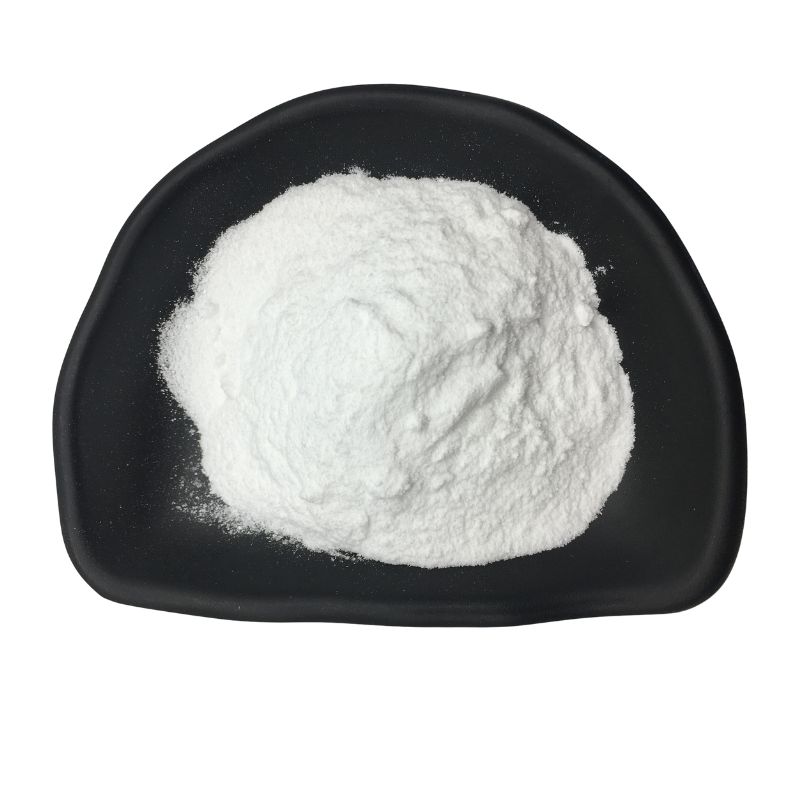
Hyaluronic acid sodium replenishes tissue moisture and lubricates cells.
β-Nicotinamide Mononucleotide improves the NAD+ standard. In this way, it restores cell energy, recovers DNA, and slows down cellular aging.
You can use the two ingredients in your anti-aging product line or as an anti-aging supplement. We recommend targeting functions, including deep tissue hydration, cell energy revival, and anti-aging.
Sodium hyaluronate acid powder is highly safe and non-irritating. It rarely causes side effects. In specific cases, there are minor risks showcased below.
Skin Dryness
If your consumers apply products that contain high-molecular-weight sodium hyaluronate without using a sealing moisturizer, HA sodium may draw moisture out of the skin. This commonly happens in extremely dry environments.
Allergic Reactions
Allergic reactions are rare. They appear to have breakouts, redness, or itching on the skin.
Mild Irritation
Low-molecular-weight fragments (oligomeric HA) penetrate more deeply into the skin’s superficial layers. This can lead to temporary redness on sensitive skin.
HA sodium powder is highly sensitive to heat and absorbs moisture easily. Here are the storage and transport requirements.
Storage Condition
- Temperature
Store in cool and dry conditions. The ideal storage temperature ranges from 2°C to 10°C in the long term. You can also keep them at room temperature below 25°C.
- Environment
Keep the powder away from direct sunlight, moisture, and heat.
- Packaging
Sodium hyaluronate powder must be tightly sealed in airtight containers.
Transport Condition
- Protection
Transit with vehicles that are clean, dry, and with covers. Strictly avoid sun exposure, rain, high temperatures, and high humidity.
- Handling
Handle with care to prevent packaging damage.
- Temperature Control
During long-term shipments in the summer, we suggest using temperature-controlled containers (reefers) or insulated packaging to prevent degradation.
HA sodium powder is widely used in food and cosmetics formulas. The usage level is based on your specific product type and target functions.
Recommended usage levels
In food and nutritional supplements, the usage level is commonly 0.05% to 0.5%.
In skincare products, such as creams, lotions, and essentials, you can apply 0.1% to 2%, depending on your formula demands and hydration effect.
Solubility
HA sodium powder is easily soluble in water. We suggest dispersing it in room-temperature water in advance for the best hydration and viscosity effects. Avoid directly applying it to high-temperature liquids over 80°C. Otherwise, the molecular structure can be affected by the heat.
Formulation compatibility (pH range)
The optimal condition is in a pH range of 5.0 to 7.5. This pH range is ideal for most food and cosmetics systems. Extreme acidic or alkaline conditions may weaken its stability and viscosity performance.
Contact Us
If you are looking for pure sodium hyaluronate powder for your food factory or cosmetics brand, contact us today and get your ingredient soon.